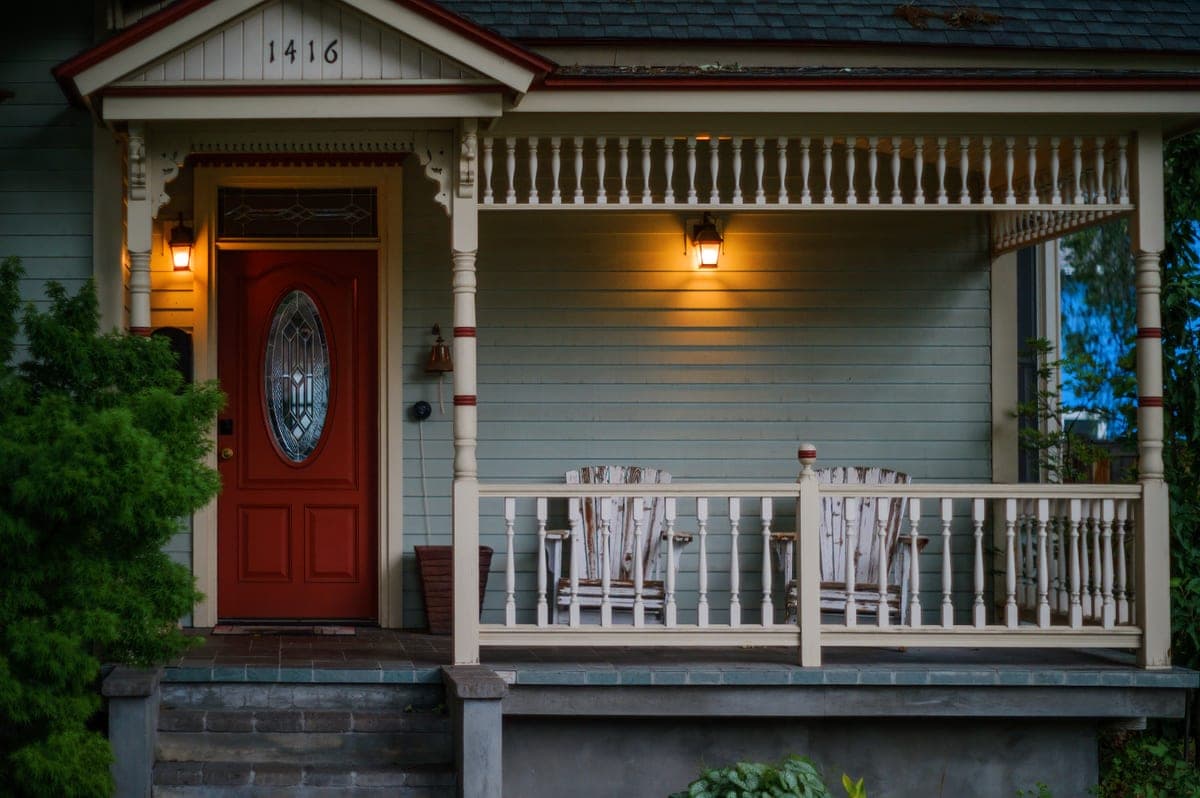
The best fly traps for a garage
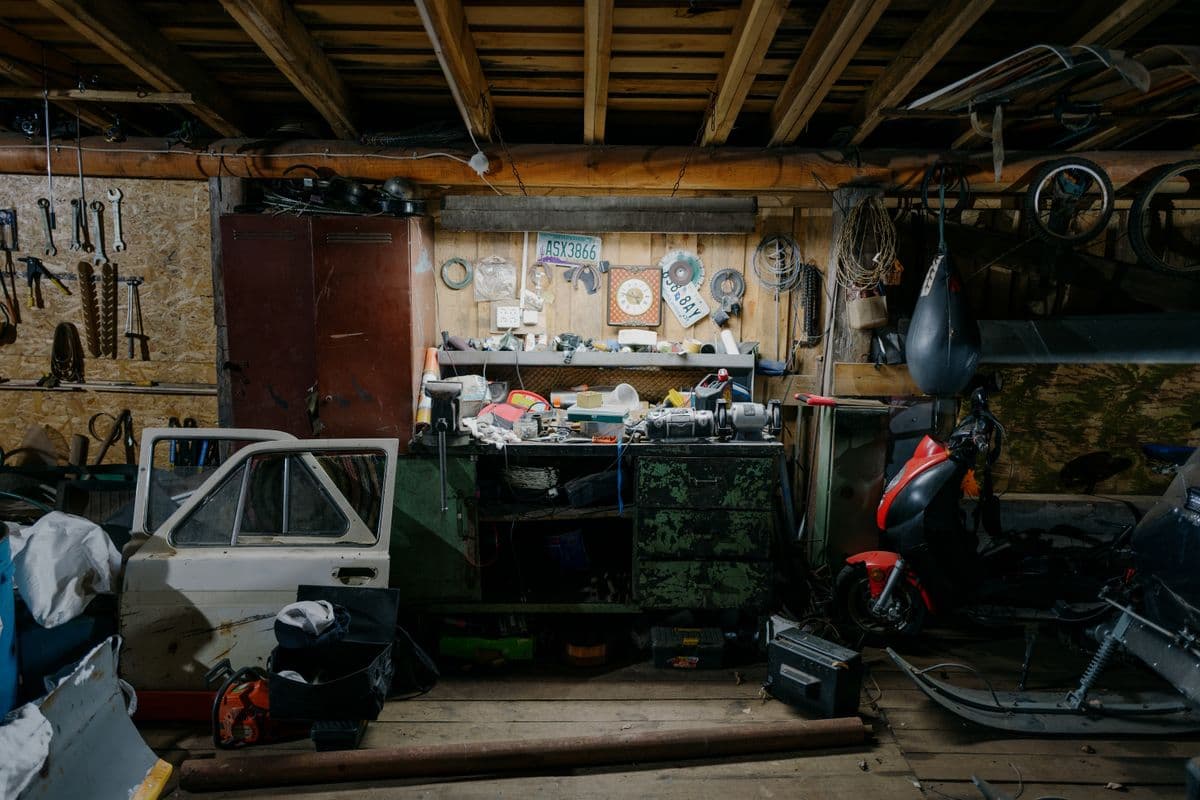
A garage is the one room in a house that combines trash cans, pet food, a drain, warm air and a door that stands open — which is why the flies are in there and not in your kitchen.
By Ryder M.Published Updated
Swat & Snap earns a commission from qualifying purchases made through the links on this page, at no extra cost to you. It does not change which products we pick — see how we pick and our affiliate disclosure.
Why the garage is always the worst room
House flies find a garage because a garage holds almost every attractant at once:
- Trash and recycling cans, often without tight lids, and usually not rinsed
- A drain or a damp corner with organic film in it
- Pet food and bird seed stored in bags
- A chest freezer with drips underneath, or a second fridge with a drip tray
- Garden waste, compost buckets and grass clippings waiting to go out
- Warm air leaving through the open door, which flies follow
- A door that stands open for minutes at a time, several times a day
House flies do not need much: a female lays in moist decaying organic matter and the whole egg-to-adult cycle can run in about a week in warm weather. A single unrinsed trash can with a loose lid is a fly factory, and a garage is the room where the factory sits.
That means the question is not only "which trap" but "which trap, and where, relative to the smell". Get the geometry wrong and a good trap makes the problem worse by drawing flies toward the building.
What to look for
An outdoor bait trap belongs away from the door. Attractant bag traps work extremely well and smell genuinely foul — which is the point, because the flies have to prefer the bag to your cans. Hang it well away from the garage, downwind, 30 feet or more. Hung by the door it becomes an invitation. This is the single most common mistake with this category.
A light trap belongs inside. For the flies already in the garage, a UV light with a sticky card is the quiet option: it runs continuously, holds what it catches on a card, and makes no noise or mess. It needs the space to be dim to compete with daylight, which a garage usually is.
A zapper is the loud alternative. An electrified grid under UV tubes kills more flies per hour than a sticky light but snaps audibly and drops debris into a tray you have to empty. In a garage nobody sits in, that trade is often fine. Pick one with a removable tray and mount it away from the car and the workbench.
Cold-tolerance matters. An unheated garage swings from freezing to very warm. Liquid lure traps designed for a kitchen counter are the wrong tool here: they are sized for fruit flies and they evaporate or freeze. Bag traps, sticky lights and zappers all survive.
Check the running cost. Glue cards, bulbs and replacement bags are the real price. A sticky light is cheap to run if you buy the cards in multiples; a zapper needs a bulb roughly annually.
Add a racket for the stragglers. An electrified racket is the only thing that deals with the specific fly that is bouncing off the window above the workbench while you are trying to work. It is a tool, not a control program. Best electric fly swatters ranks them.
If it is fruit flies, not house flies, you are on the wrong page. Small tan flies hovering over a recycling bin full of soda cans are fruit flies, and a liquid lure trap right beside that bin is the answer: see best fruit fly traps. Gnats vs fruit flies vs drain flies will tell you which you have in a minute.
Quick picks
| # | Product | Best for | Mechanism | Price |
|---|---|---|---|---|
| 1 |  Our pickRESCUE! Non-Toxic Disposable Fly TrapA hanging bag with a powerful bait. Effective, genuinely foul-smelling, and therefore a product you hang well away from the door you use. | Outdoor house flies | Water-activated attractant bag | |
| 2 |  RESCUE! FlyWeb Indoor Fly LightA plug-in UV light over a glue card. No zap, no smell, and it works on house flies that ignore a fruit fly lure. | Quiet indoor fly control | UV light + glue card | |
| 3 |  Aspectek Indoor Bug ZapperA wall-mount indoor zapper with a removable tray. Suited to a garage or workshop, not to a room you sit in. | Garages and utility rooms | UV tubes + electrified grid | |
| 4 |  The Executioner Fly Swatter RacketTriple-layer mesh, so your finger cannot reach the live layer. That is the one design difference worth paying for in this category. | A racket that lasts | Electrified mesh, three layers |
#ad — every price link goes to Amazon and Swat & Snap earns a commission on qualifying purchases. No price is shown until it can be pulled live from the retailer.
RESCUE! Non-Toxic Disposable Fly Trap
RESCUE! · Outdoor house flies
A hanging bag with a powerful bait. Effective, genuinely foul-smelling, and therefore a product you hang well away from the door you use.
- Pulls flies away from a patio better than anything else at the price
- Nothing to plug in, nothing to refill
- The smell is the mechanism — hang it close and you have made things worse
- Full bags are unpleasant to take down
Check price on Amazon
RESCUE! FlyWeb Indoor Fly Light
RESCUE! · Quiet indoor fly control
A plug-in UV light over a glue card. No zap, no smell, and it works on house flies that ignore a fruit fly lure.
- Silent and debris-free, which a zapper indoors is not
- Card hides the catch, so it is not a display of dead flies
- Only pulls flies within a room, and only in low light
- Glue cards need replacing more often than the box implies
Check price on Amazon
Aspectek Indoor Bug Zapper
Aspectek · Garages and utility rooms
A wall-mount indoor zapper with a removable tray. Suited to a garage or workshop, not to a room you sit in.
- Removable tray makes the mess manageable, which most indoor zappers ignore
- Bright enough to pull flies across a big garage
- Audible snap every catch — wrong for a bedroom or living room
- Same mosquito caveat as every zapper
Check price on Amazon
The Executioner Fly Swatter Racket
The Executioner · A racket that lasts
Triple-layer mesh, so your finger cannot reach the live layer. That is the one design difference worth paying for in this category.
- Triple mesh is the reason to choose it — a child's finger cannot reach the charge
- Frame survives being swung hard, unlike the bargain rackets
- Several times the price of a single-layer racket
- Still only ever kills what you aim at
Check price on Amazon
Where to put each one
Think of it as two zones with one job each.
Outside, pulling flies away:
- Hang the bag trap 30 feet or more from the garage door, downwind, in sun
- Put it between the garage and whatever is outside producing flies — the cans in their outdoor position, a compost pile, a dog run, a chicken coop
- Not over a patio, a grill or a walkway. It will smell, and it will be full of flies.
- Refresh it when the bag is full or the attractant is spent
Inside, clearing what got in:
- Mount the sticky light or zapper about head height, away from the door, so flies already inside are drawn deeper in rather than toward the exit
- Put it near the trash cans and the drain, which is where the flies congregate
- Keep it away from the car, the workbench and anywhere dust accumulates — a glue card holds sawdust just as well as it holds flies
- Leave it running. A light trap that is switched on for an hour in the evening catches almost nothing.
The two fixes that do most of the work
Traps catch adults. These two steps stop the next generation, and they are the difference between a week of relief and a solved garage.
1. Deal with the cans.
- Lids that actually seal, on every trash and recycling can
- Rinse them. A can with dried residue in the bottom is a breeding site whatever the lid does
- Bag all food waste before it goes in
- Rinse recycling, especially cans, bottles and takeout containers
- Keep the cans away from the pedestrian door if you can, or move them outside entirely in summer
- Clean the floor under and behind them — spills run under the can and sit there
2. Deal with the damp and the drips.
- Clean the garage floor drain, if there is one. Organic film in a drain breeds drain flies and feeds house flies
- Check under the chest freezer and the second fridge for drips and defrost water
- Store pet food and bird seed in sealed metal or hard plastic bins
- Empty and rinse the compost caddy on the way to the pile, not afterwards
- Sweep up grass clippings and garden waste rather than letting bags sit for a week
Then make the door less inviting: close it when you are not using it, fit a brush strip or sweep at the bottom if there is a gap, screen any open windows, and check that the service door to the house seals — flies in the garage become flies in the kitchen through exactly that gap. How to get rid of house flies is the full indoor method.
What we would skip
Hanging strips of flypaper everywhere. They work, slowly, and they are unpleasant to walk into. One in a corner is fine; a curtain of them is not a plan.
Aerosol space sprays. Thirty minutes of relief, no effect on the breeding site, and not something to use around tools, fuel or a freezer full of food.
Ultrasonic fly repellers. No mechanism, no evidence. The same problem we document in do ultrasonic repellers work.
An outdoor bug zapper as the main plan. A large grid zapper kills a very high proportion of harmless night-flying insects and is not aimed at the daytime flies in your garage. Do bug zappers work has the detail.
What to expect
With a bag trap hung well away from the building and a sticky light running inside, you should see a clear drop within three to five days. Getting to "no flies" takes the cans being right — that part is on day one, not week three.
In warm weather expect to refresh the bag trap every three to six weeks and to change glue cards monthly. In cold weather the whole problem goes quiet; the cans still need the lids in February, because the first warm week of spring restarts it.
Frequently asked
What is the best fly trap for a garage?
Where should I hang a fly trap in my garage?
Why does my garage have so many flies?
Do bug zappers work on flies?
Will a fruit fly trap work in a garage?
More on fruit flies & gnats
Tiny flies in the kitchen are almost never one problem. Identify which of the three you have, then treat the source — the trap alone never finishes it.
Not sure yet? Read how we pick.
Ryder M.
Ryder M. is the hands-on owner behind Magoo Media Group. He writes Swat & Snap because he got tired of pest-control advice that was either a sales pitch or a scare story.
Related on Swat & Snap
- How to get rid of house fliesWhere they breed outside, how they get in, and the traps that work on flies this size.
- The best plug-in fly trapsSilent light traps for whole-room fly control — and the running cost nobody mentions.
- The best indoor bug zappersWhere an indoor zapper makes sense, which ones clean up easily, and where never to put one.
- The best fruit fly trapsLure traps, plug-in lights and sticky stakes, matched to where the flies actually are.
- Do bug zappers work?The UF/IFAS finding, why the mechanism is wrong for mosquitoes, and what zappers are genuinely good at.

- The best electric fly swattersOne insect, aimed, instantly. Why mesh layers are the spec that matters.