Roundup
The best fruit fly traps
Lure traps, plug-in lights and sticky stakes, matched to where the flies actually are.
Tiny flies in the kitchen are almost never one problem. Identify which of the three you have, then treat the source — the trap alone never finishes it.
The single most useful thing on this hub is the identification, because the three tiny flies people call "fruit flies" breed in three different places and only one treatment works on each.
Gnats vs fruit flies vs drain flies walks the identification properly, with the behavioral tells that are easier to use than the physical ones. Get this right first — putting a vinegar trap out for drain flies is why people conclude "traps don't work".
Every trap on this hub catches adult flies. Not one of them touches the eggs and larvae in the drain, the bin, or the plant pot. A fruit fly goes from egg to adult in about a week in a warm kitchen, so as long as the breeding site is producing, you are removing adults at roughly the rate they are made.
The pattern that works is always the same: trap the adults so the room is usable, and kill the source so the problem ends. Traps are the visible half; source treatment is the half that finishes it.
For fruit flies, the sealed lure traps are genuinely better than a bowl of vinegar, and we say why on best fruit fly traps and in the head-to-head between the two best-known models, Terro vs Zevo. If you would rather make one, DIY vs store-bought fruit fly traps is an honest comparison — the homemade version costs nothing and works, with two caveats.
For gnats around plants, the answer is a light-and-fan trap or sticky stakes rather than a liquid lure, since fungus gnats are not attracted to fermentation. For a whole-room, hands-off approach there are plug-in fly traps, which use light and a sticky cartridge and run silently in the background.
Bigger house flies are a different animal again, with different traps and a different source — usually something outside. How to get rid of house flies covers those.
A fruit fly problem is one of the few pest problems that can genuinely be over in 48 hours, because the adults are short-lived and the life cycle is fast. Remove the source, put a trap beside where they were worst, and the room is usually normal within two days. If it is not, you have missed a breeding site — which is nearly always a drain, a recycling bin, or a bag of potatoes at the back of a cupboard.
Product roundups, with the top pick and a buy link on every card.
Lure traps, plug-in lights and sticky stakes, matched to where the flies actually are.
Silent light traps for whole-room fly control — and the running cost nobody mentions.
Head-to-heads and the honest verdicts, for when the choice is between two things.
A liquid lure versus a plug-in light trap — which one matches the problem you actually have.
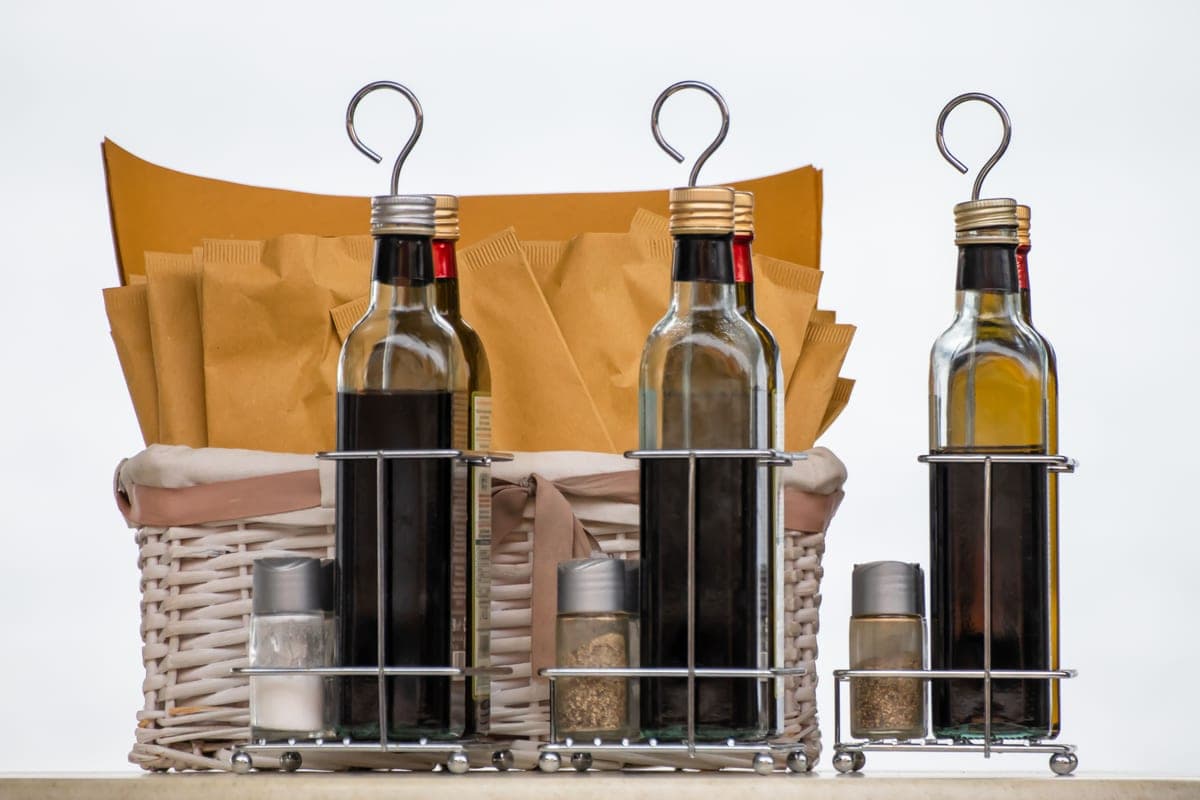
Cider vinegar and dish soap versus a commercial lure — what each is actually better at.
Behavior, not anatomy: the one-minute test that tells you which tiny fly you have.
How to actually solve it, step by step, before or after you buy anything.

Source first, trap second. The full 48-hour sequence and the hiding places people always miss.

Fungus gnats come off wet soil. The watering change, the BTI step, and a realistic timeline.
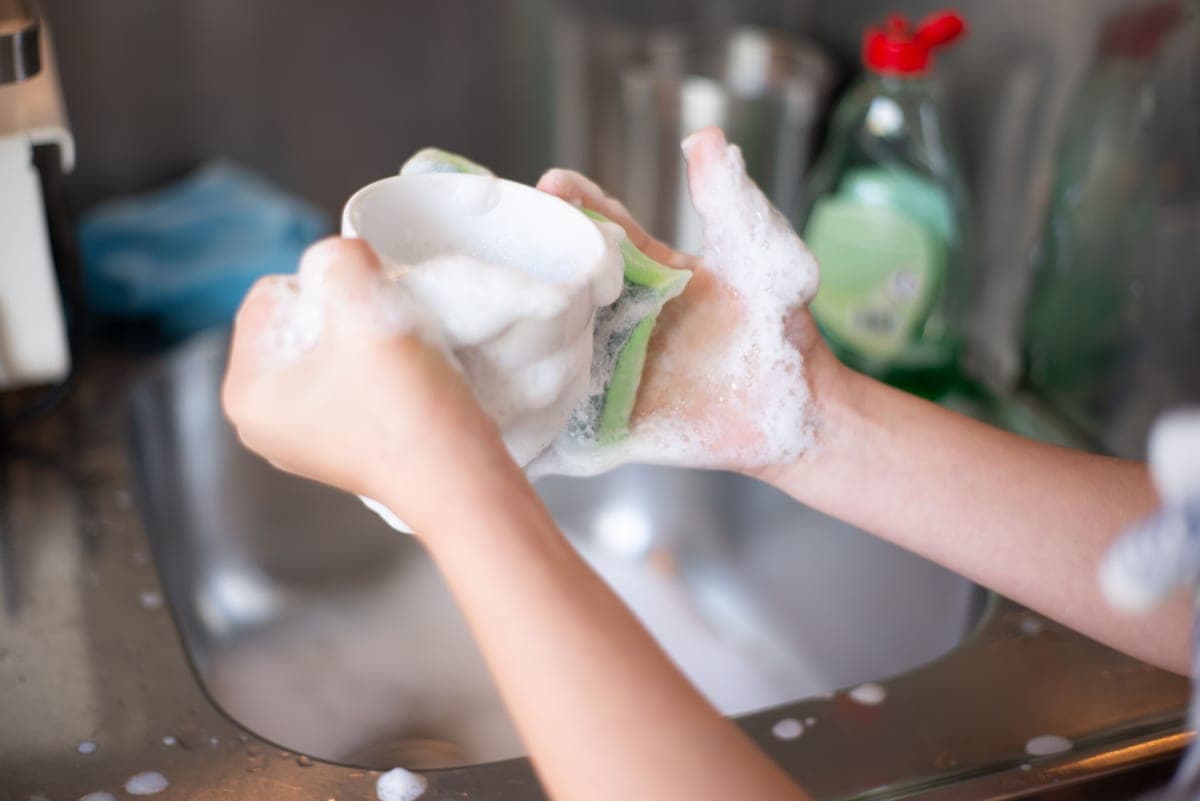
Cider vinegar, wine, overripe fruit — what pulls fruit flies in, and the soap trick that makes it a trap.
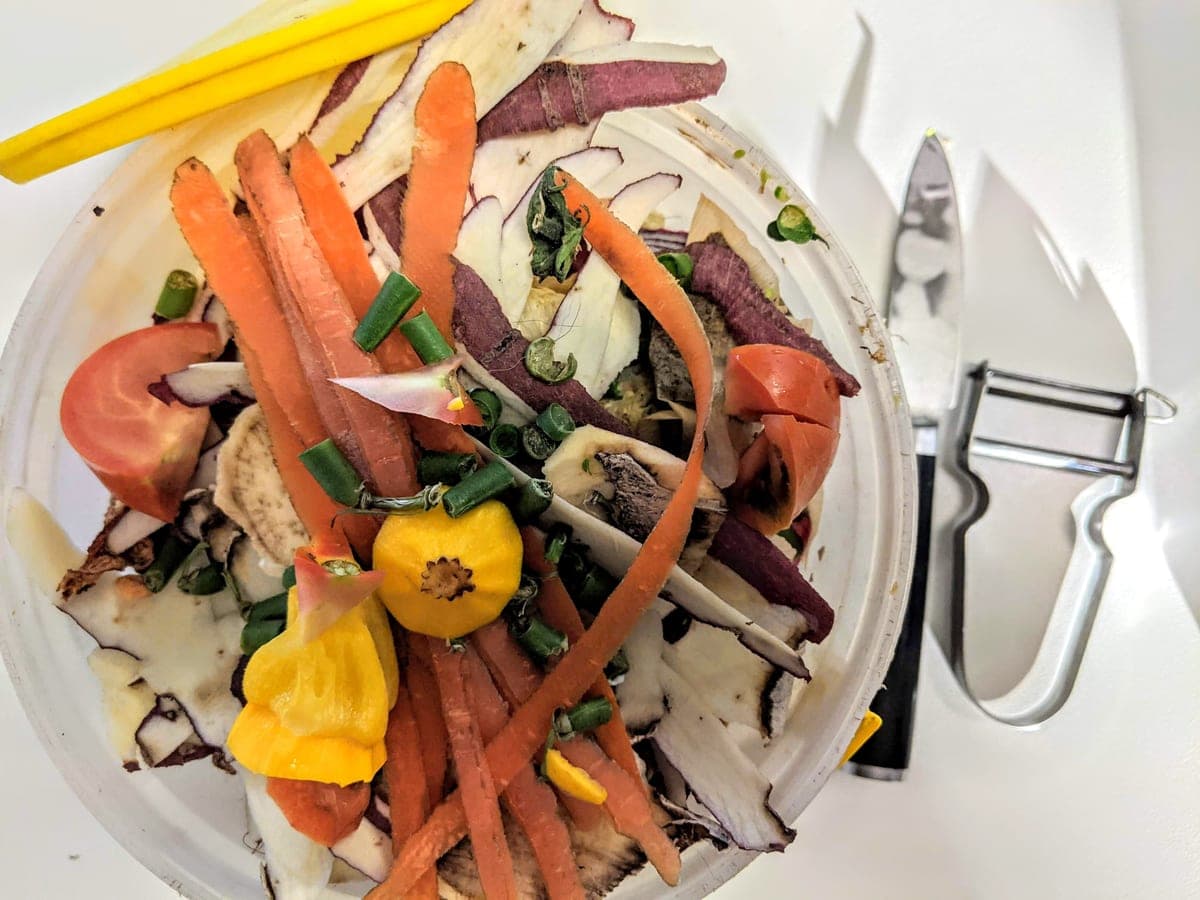
The full checklist of breeding sites, ranked by how often each one turns out to be the answer.

Dry soil, grit top-dressing, BTI and sticky stakes — the four-part fix and the order to do it in.
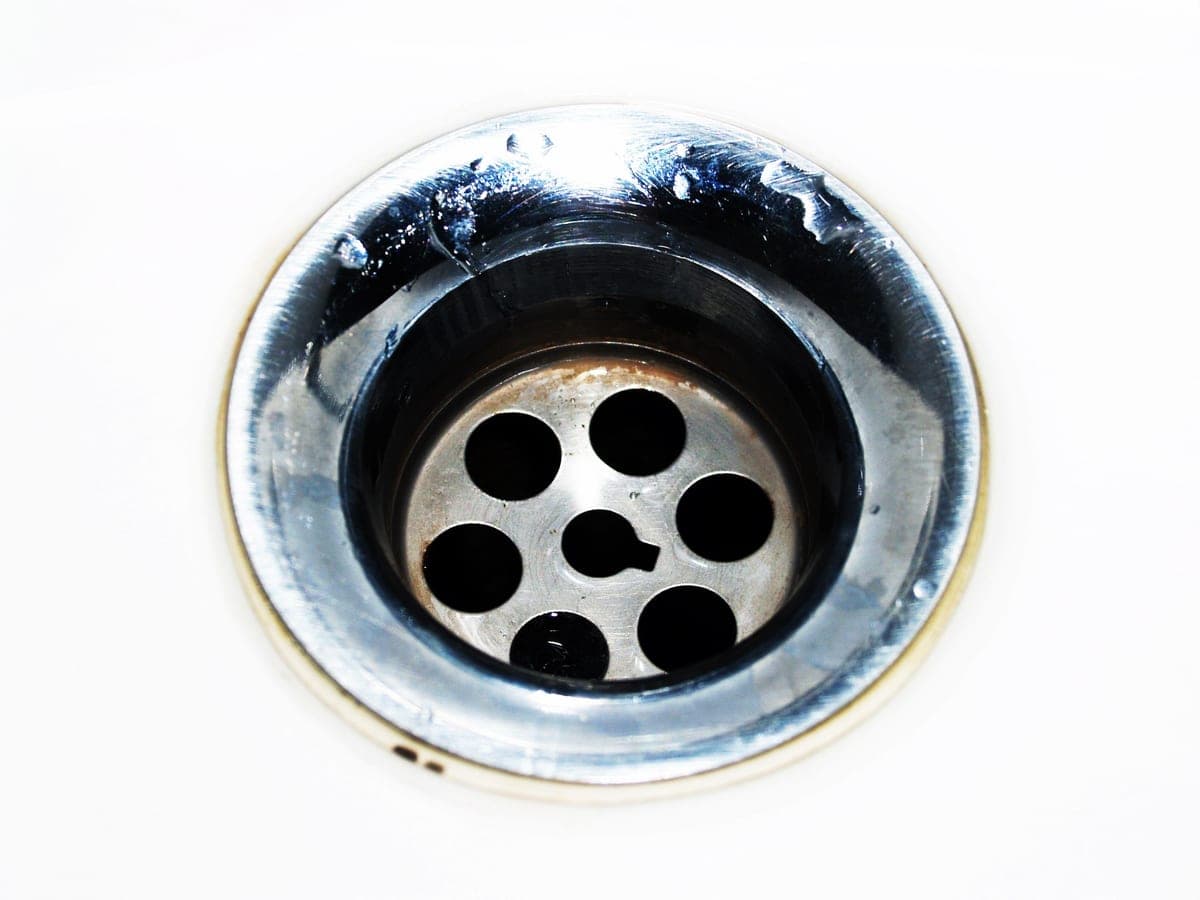
Why pouring anything down the drain fails, the brush method that works, and how to find the right drain.
Where they breed outside, how they get in, and the traps that work on flies this size.