Do fruit fly traps work for gnats?
Mostly no, and the reason is the lure rather than the trap. Fruit flies come to fermentation; fungus gnats come to damp soil and the color yellow. Buy for the insect you actually have.
By Ryder M.Published Updated
Swat & Snap earns a commission from qualifying purchases made through the links on this page, at no extra cost to you. It does not change which products we pick — see how we pick and our affiliate disclosure.
Three insects, one word
"Gnat" is not a species. It is a catch-all for any small flying insect, and in a house it usually means one of three very different things — which is exactly why the trap advice online contradicts itself.
Fruit flies (Drosophila). Tan or brown, often with red eyes, hovering around fruit, the bin, the recycling or a bottle. They breed in fermenting organic matter. A vinegar or commercial fermentation lure catches them extremely well.
Fungus gnats. Tiny, dark, delicate, mosquito-shaped in miniature. They rise in a cloud when you water a houseplant and drift around windows. They breed in the top inch or two of damp potting soil, where the larvae feed on fungus and organic matter. They are NOT interested in your fruit bowl.
Drain flies (moth flies). Fuzzy, grey, moth-like, seen resting on the wall near a sink or shower rather than flying much. They breed in the biofilm inside drains.
Gnats vs fruit flies vs drain flies has the full identification with the behavioral tells. It is the five minutes that saves you buying the wrong product.
Why the lure decides everything
A trap has two parts: the thing that brings the insect in, and the thing that stops it leaving. The second part is easy — liquid, glue, a one-way funnel. The first part is the whole game.
A fruit fly trap's lure is fermentation chemistry: acetic acid, ethanol, and the volatile compounds given off by yeast working on sugar. Fruit flies find rotting fruit by exactly those cues, which is why apple cider vinegar works so reliably. It is a precise match between the lure and the insect's biology.
Fungus gnats do not use those cues. Adults are looking for damp soil to lay eggs in, and they respond strongly to the color yellow — a visual cue, not a chemical one, and the reason sticky cards in this category are always yellow. A bowl of vinegar is close to invisible to them.
So the question in the title has a precise answer: a fruit fly trap works on gnats to the extent that the gnat in question is attracted to fermentation. Fruit flies, yes, overwhelmingly. Drain flies, somewhat — they are not fermentation specialists but they will enter a liquid trap near a sink. Fungus gnats, barely.
What actually catches fungus gnats
Yellow sticky cards, in the pot. Push them into the soil just above the surface, where the adults are emerging and landing. On a windowsill away from the plants they catch a fraction as many. They are cheap, chemical-free and they also tell you whether the population is rising or falling.
BTI in the soil — this is the real fix. Bacillus thuringiensis israelensis is a naturally occurring bacterium whose proteins destroy the gut lining of fly larvae and nothing else. It is the active in mosquito dunks and bits, and granules are sold specifically for this use. Water it into the top of the pot and it kills the larvae where they live. Sticky cards catch adults; BTI stops new ones existing. Do mosquito dunks work covers the mechanism, and mosquito dunks vs bits explains why the granule format is the one you want for soil.
Watering less. The single most effective free intervention. Fungus gnat larvae need the top inch of soil to stay damp. Let it dry out properly between waterings and the breeding habitat disappears. Bottom-watering helps for the same reason.
A layer of coarse grit or sand on top. A half-inch of horticultural grit makes the surface unattractive for egg-laying and is a genuine physical barrier.
A UV-and-glue trap near the plants as a supplement. These catch adults drifting around a room and are silent, which a zapper is not.
Fungus gnats in houseplants is the full treatment, and best gnat traps is the product roundup.
Quick picks
| # | Product | Best for | Mechanism | Price |
|---|---|---|---|---|
| 1 |  Our pickSafer Brand Houseplant Sticky StakesYellow sticky cards on a stake, pushed into the pot. They catch the adults while you fix the watering, which is the part that actually ends a gnat problem. | Gnats in potting soil | Yellow adhesive card | |
| 2 |  Summit Mosquito BitsThe same BTI in granules. Releases faster than a dunk and doubles as the correct treatment for fungus gnats in houseplant soil. | Fast knockdown and fungus gnats | BTI granules | |
| 3 |  Katchy Indoor Insect TrapUV light, a small fan and a sticky pad. The fan is what makes it work on gnats — they are weak fliers and get pulled in. | Fungus gnats around plants | UV light + suction fan + glue board | |
| 4 | 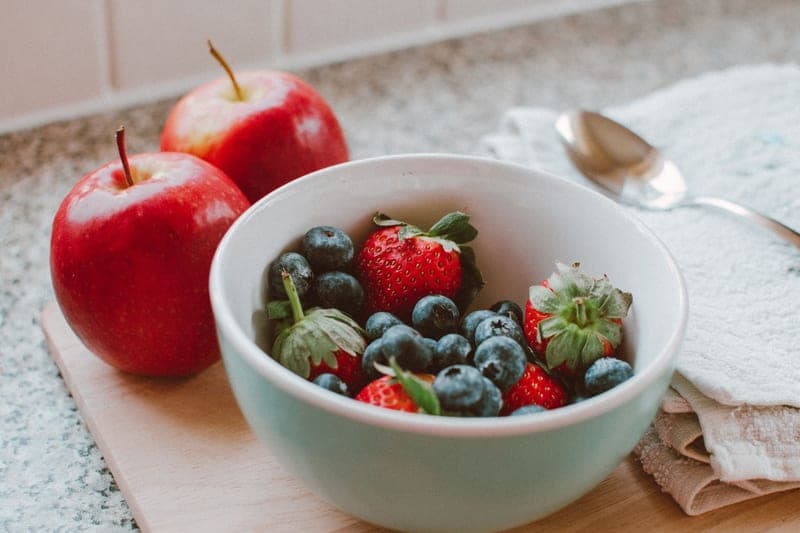 Terro Fruit Fly Trap (T2500)An apple-shaped lure trap that works because the liquid inside is a real fermentation attractant, not because of the shape. | Kitchen counters | Liquid food-based lure |
#ad — every price link goes to Amazon and Swat & Snap earns a commission on qualifying purchases. No price is shown until it can be pulled live from the retailer.
Safer Brand Houseplant Sticky Stakes
Safer Brand · Gnats in potting soil
Yellow sticky cards on a stake, pushed into the pot. They catch the adults while you fix the watering, which is the part that actually ends a gnat problem.
- Also a diagnostic: a full card in three days tells you the soil is the source
- No chemistry near a plant you might eat from
- Adults only — larvae in the soil need drying out or a BTI product
- Visible yellow cards in a display pot
Check price on Amazon
Summit Mosquito Bits
Summit · Fast knockdown and fungus gnats
The same BTI in granules. Releases faster than a dunk and doubles as the correct treatment for fungus gnats in houseplant soil.
- Scatterable, so it treats a bog or a tray a dunk cannot sit in
- The one product that solves both a yard problem and a houseplant problem
- Shorter residual than a dunk — reapply more often
- Granules wash away in heavy rain
Check price on Amazon
Katchy Indoor Insect Trap
Katchy · Fungus gnats around plants
UV light, a small fan and a sticky pad. The fan is what makes it work on gnats — they are weak fliers and get pulled in.
- The fan catches fungus gnats that simply ignore a light-only trap
- USB power means it can sit on a plant shelf with no socket nearby
- Needs the room dark to compete with a window
- Glue boards fill quickly in a real gnat bloom
Check price on Amazon
Terro Fruit Fly Trap (T2500)
Terro · Kitchen counters
An apple-shaped lure trap that works because the liquid inside is a real fermentation attractant, not because of the shape.
- The lure outperforms homemade vinegar in a side-by-side on the same counter
- Sealed, so there is no open dish of vinegar to knock over
- Catches flies; does nothing about the drain or bin that is breeding them
- Thirty days and it is done — no refill
Check price on Amazon
When a fruit fly trap IS the right answer
Do not over-correct. If what you have really is fruit flies, the liquid lure traps are excellent and nothing else matches them.
Signs you have fruit flies rather than fungus gnats:
- They circle the fruit bowl, the bin, the recycling or a bottle, not a plant
- They are tan or brown rather than black, and noticeably stockier than a fungus gnat
- They appeared after ripe fruit, a spill, or a bag of potatoes
- They hover in place mid-air rather than drifting about near soil
- A glass of apple cider vinegar with a drop of dish soap fills up overnight
That last one is a useful diagnostic as well as a treatment. If a vinegar trap catches dozens in a night, they are fruit flies and a commercial lure trap will do the job. If it catches four in a week while a cloud still rises from the ficus, they are fungus gnats.
Best fruit fly traps is the roundup, fruit fly trap bait covers what to put in a trap, and how to get rid of fruit flies is the source-removal sequence that makes the traps unnecessary.
The mistake almost everyone makes
Treating the adults and ignoring where they come from.
Every insect on this page has a larval stage somewhere you are not looking: fruit flies in the film of residue in the bin or the drain, fungus gnats in the top inch of potting soil, drain flies in the biofilm inside the pipe. Adults live a matter of weeks and the cycle from egg to adult can run about a week in warm conditions.
So a trap full of insects is not progress on its own. It is a measurement. If the trap keeps filling, the source is still producing, and the useful work is finding it: take the bin out and wash it, check under the fridge for a rolled-away potato, scrub the drain with a brush and an enzymatic treatment, let the plants dry out, bin the bag of onions at the back of the cupboard.
The trap's real job is to catch the adults while you deal with the source — and to tell you when you have succeeded, because it stops filling.
Quick reference
| What you see | Insect | What works |
|---|---|---|
| Hovering at the fruit bowl or bin | Fruit flies | Liquid fermentation lure trap, plus source removal |
| Cloud rising from a houseplant | Fungus gnats | Yellow sticky cards in the pot, BTI granules in the soil, water less |
| Fuzzy, resting on the wall by a sink | Drain flies | Drain brush and enzymatic treatment — not a lure trap |
| Small flies in a damp yard or mulch | Outdoor gnats | Drainage and mulch management, not an indoor trap |
The short version
Fruit fly traps work on fruit flies. They do not work on fungus gnats, because the lure is fermentation and fungus gnats are looking for damp soil and the color yellow. If the insects come from a plant pot, buy yellow sticky cards and BTI granules and water less. If they come from the fruit bowl, a liquid lure trap is exactly right — and in both cases the trap is a measurement, while removing the breeding source is the actual cure.
Frequently asked
Do fruit fly traps work for gnats?
What traps fungus gnats?
How do I tell fungus gnats from fruit flies?
Does apple cider vinegar catch gnats?
Will a sticky trap catch fruit flies?
Why do the gnats keep coming back after I trap them?
More on fruit flies & gnats
Tiny flies in the kitchen are almost never one problem. Identify which of the three you have, then treat the source — the trap alone never finishes it.
Not sure yet? Read how we pick.
Ryder M.
Ryder M. is the hands-on owner behind Magoo Media Group. He writes Swat & Snap because he got tired of pest-control advice that was either a sales pitch or a scare story.
Related on Swat & Snap
- The best gnat trapsPicks matched to the gnat you actually have — soil gnats, kitchen gnats and whole-room control.
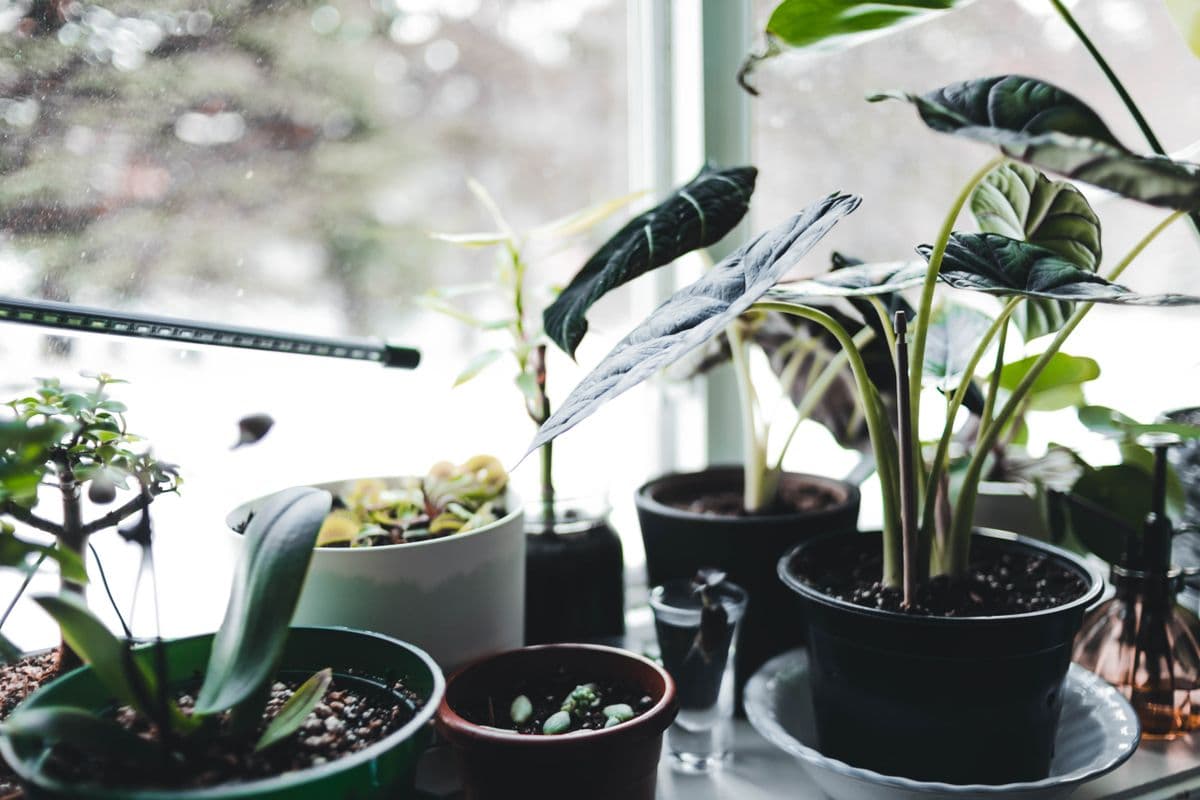
- Fungus gnats in houseplantsDry soil, grit top-dressing, BTI and sticky stakes — the four-part fix and the order to do it in.
- Gnats vs fruit flies vs drain fliesBehavior, not anatomy: the one-minute test that tells you which tiny fly you have.
- The best fruit fly trapsLure traps, plug-in lights and sticky stakes, matched to where the flies actually are.

- How to get rid of gnatsFungus gnats come off wet soil. The watering change, the BTI step, and a realistic timeline.
- Mosquito dunks vs bitsSlow-release dunks or fast-release granules — which BTI format suits which water.