The best fruit fly traps
Every trap here catches adult flies. None of them touches the eggs in your drain, which is why the trap is half the job and never the whole one.
By Ryder M.Published Updated

Swat & Snap earns a commission from qualifying purchases made through the links on this page, at no extra cost to you. It does not change which products we pick — see how we pick and our affiliate disclosure.
First, check which insect you have
The three tiny flies people call fruit flies breed in three different places, and only one of them responds to a vinegar-style lure.
- Fruit flies — tan or brown, red eyes, hovering around fruit, the recycling bin, or the sink. Breed in fermenting residue. Lure traps work.
- Fungus gnats — dark, delicate, mosquito-shaped in miniature, drifting up off houseplant soil. Breed in wet potting mix. Lure traps barely work; light-and-fan traps and sticky stakes do.
- Drain flies — small, fuzzy, moth-like, sitting still on the wall near a sink rather than hovering. Breed in the organic film inside a drain. No trap fixes them; cleaning the drain does.
Gnats vs fruit flies vs drain flies has the behavioral tells, which are easier to use than the physical ones. Getting this wrong is the single biggest reason people conclude that traps do not work.
What a trap does and does not do
Every trap on this page catches adults. Not one of them reaches the eggs and larvae in the drain, the bin or the plant pot.
A fruit fly goes from egg to adult in about a week in a warm kitchen, and a single female lays hundreds of eggs. So while a breeding site is active, you are removing adults at roughly the rate they are being produced — which looks exactly like a trap that does not work.
The pattern that works: trap the adults so the room is usable, and kill the source so it ends. How to get rid of fruit flies covers the source half properly.
Quick picks
| # | Product | Best for | Mechanism | Price |
|---|---|---|---|---|
| 1 | 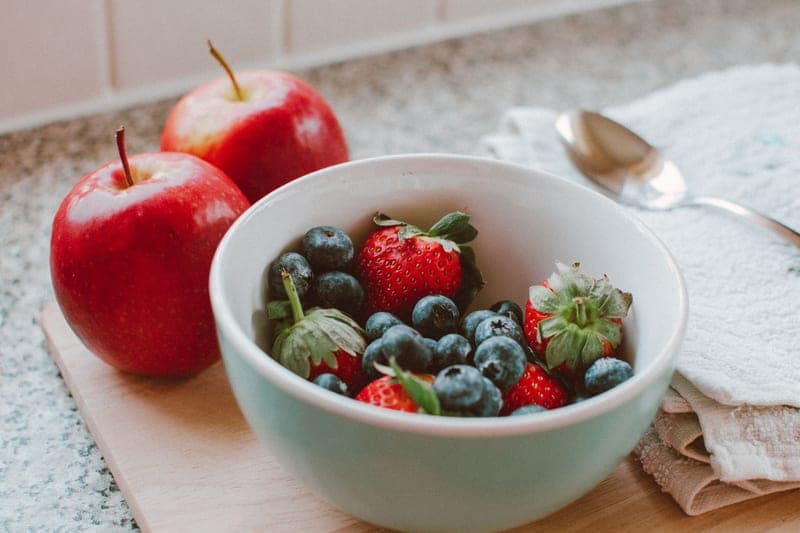 Our pickTerro Fruit Fly Trap (T2500)An apple-shaped lure trap that works because the liquid inside is a real fermentation attractant, not because of the shape. | Kitchen counters | Liquid food-based lure | |
| 2 | 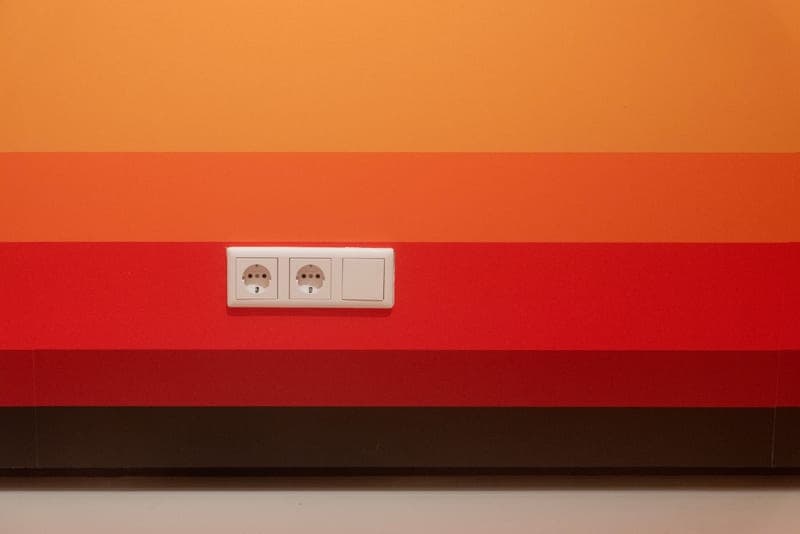 Zevo Flying Insect TrapA plug-in that pairs blue and UV light with a sticky cartridge. It runs quietly in the background, which is exactly what people want from a fly problem. | Rooms you want handled passively | Blue + UV light, sticky cartridge | |
| 3 |  Katchy Indoor Insect TrapUV light, a small fan and a sticky pad. The fan is what makes it work on gnats — they are weak fliers and get pulled in. | Fungus gnats around plants | UV light + suction fan + glue board | |
| 4 |  Aunt Fannie's FlyPunch Fruit Fly TrapA jar of food-grade lure you open and leave out. Less tidy than a sealed trap, and the fastest thing here to deploy. | Open-lid simplicity | Food-grade liquid lure, open jar | |
| 5 | 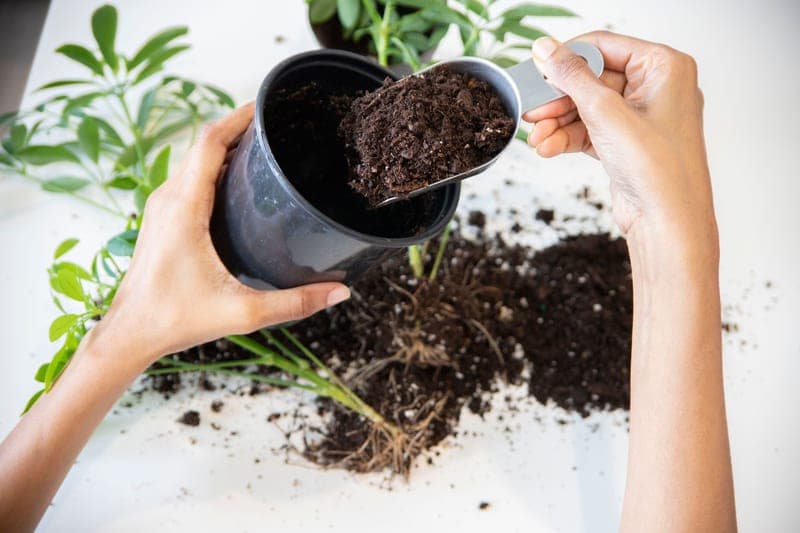 Safer Brand Houseplant Sticky StakesYellow sticky cards on a stake, pushed into the pot. They catch the adults while you fix the watering, which is the part that actually ends a gnat problem. | Gnats in potting soil | Yellow adhesive card |
#ad — every price link goes to Amazon and Swat & Snap earns a commission on qualifying purchases. No price is shown until it can be pulled live from the retailer.
Terro Fruit Fly Trap (T2500)
Terro · Kitchen counters
An apple-shaped lure trap that works because the liquid inside is a real fermentation attractant, not because of the shape.
- The lure outperforms homemade vinegar in a side-by-side on the same counter
- Sealed, so there is no open dish of vinegar to knock over
- Catches flies; does nothing about the drain or bin that is breeding them
- Thirty days and it is done — no refill
Check price on Amazon
Zevo Flying Insect Trap
Zevo · Rooms you want handled passively
A plug-in that pairs blue and UV light with a sticky cartridge. It runs quietly in the background, which is exactly what people want from a fly problem.
- No zapping noise and no insect debris — it is a sticky pad behind a light
- Catches gnats and small flies that a vinegar trap ignores
- Cartridges are an ongoing cost that outruns the unit price fast
- Needs a dark room to compete with daylight
Check price on Amazon
Katchy Indoor Insect Trap
Katchy · Fungus gnats around plants
UV light, a small fan and a sticky pad. The fan is what makes it work on gnats — they are weak fliers and get pulled in.
- The fan catches fungus gnats that simply ignore a light-only trap
- USB power means it can sit on a plant shelf with no socket nearby
- Needs the room dark to compete with a window
- Glue boards fill quickly in a real gnat bloom
Check price on Amazon
Aunt Fannie's FlyPunch Fruit Fly Trap
Aunt Fannie's · Open-lid simplicity
A jar of food-grade lure you open and leave out. Less tidy than a sealed trap, and the fastest thing here to deploy.
- Ingredients are food-grade, which matters on a counter where you prep
- Peel the lid, done — no assembly
- Open jar spills if it is knocked
- Again, catches adults without touching the breeding site
Check price on Amazon
Safer Brand Houseplant Sticky Stakes
Safer Brand · Gnats in potting soil
Yellow sticky cards on a stake, pushed into the pot. They catch the adults while you fix the watering, which is the part that actually ends a gnat problem.
- Also a diagnostic: a full card in three days tells you the soil is the source
- No chemistry near a plant you might eat from
- Adults only — larvae in the soil need drying out or a BTI product
- Visible yellow cards in a display pot
Check price on Amazon
Where to put each type
Liquid lure traps go within about a foot of the source — beside the fruit bowl, next to the recycling, at the back of the counter by the sink. They work by smell at short range, so a trap across the room is a trap in the wrong place.
Plug-in light traps need a dim corner and an outlet. They compete badly with daylight and with any lamp you leave on, so a hallway, a pantry or a kitchen corner away from the window is better than a bright worktop.
Light-and-fan traps are the answer around houseplants. The fan is what makes them work on gnats, which are weak fliers and get drawn in rather than having to land.
Sticky stakes go straight into the pot, an inch above the soil. They also work as a diagnostic: a card covered in three days tells you the soil is the breeding site.
The homemade version
A dish of apple cider vinegar with a drop of dish soap catches fruit flies perfectly well. The soap breaks the surface tension so the flies sink rather than walking off.
Commercial lures catch more per trap in a side-by-side on the same counter, and they cannot be knocked over. Whether that is worth the money is a genuine question rather than a rhetorical one, and we take it seriously on DIY vs store-bought fruit fly traps.
What the homemade version definitely wins on: you can make it right now, at midnight, without ordering anything.
What not to buy
Aerosol fly spray for a kitchen fruit fly problem. It kills the adults in the air, does nothing to the source, and you have sprayed insecticide over a surface you prepare food on.
Anything promising to repel fruit flies. The flies are not deterred by a smell; they are there because something is fermenting.
A bug zapper indoors for fruit flies. Wrong tool at the wrong scale, and a zapper indoors is noisy and messy — see do bug zappers work.
If it is not working
- Flies still appearing after a week: the source is still producing. Check the drain, the recycling bin, and the bottom of the fruit bowl. Then check the bag of potatoes or onions at the back of the cupboard, which is the one people miss. What attracts fruit flies.
- Trap catching nothing while flies are visible: the trap is too far from the source, or it is the wrong type — see the identification above.
- They came back a fortnight later: a second breeding site. Fruit flies also breed in mop buckets, dishcloths, the drip tray under a refrigerator, and a beer or wine bottle left out.
Frequently asked
What is the best fruit fly trap?
Do fruit fly traps actually work?
Where should I put a fruit fly trap?
How long does it take for a fruit fly trap to work?
More on fruit flies & gnats
Tiny flies in the kitchen are almost never one problem. Identify which of the three you have, then treat the source — the trap alone never finishes it.
Not sure yet? Read how we pick.
Ryder M.
Ryder M. is the hands-on owner behind Magoo Media Group. He writes Swat & Snap because he got tired of pest-control advice that was either a sales pitch or a scare story.
Related on Swat & Snap
- Terro vs Zevo fruit fly trapA liquid lure versus a plug-in light trap — which one matches the problem you actually have.
- The best plug-in fly trapsSilent light traps for whole-room fly control — and the running cost nobody mentions.

- DIY vs store-bought fruit fly trapsCider vinegar and dish soap versus a commercial lure — what each is actually better at.
- Fruit fly trap baitCider vinegar, wine, overripe fruit — what pulls fruit flies in, and the soap trick that makes it a trap.
- Pet-safe fly trapsSealed lure traps and enclosed light traps that a curious cat cannot spill, drink or stick to.
- How to get rid of fruit fliesSource first, trap second. The full 48-hour sequence and the hiding places people always miss.