What attracts fruit flies
Everybody checks the fruit bowl. The answer is usually three feet away, down the drain or at the back of a cupboard.
By Ryder M.Published Updated
Swat & Snap earns a commission from qualifying purchases made through the links on this page, at no extra cost to you. It does not change which products we pick — see how we pick and our affiliate disclosure.
The signal they are following
Fruit flies are not attracted to food generally. They are attracted to fermentation — the acetic acid, ethanol and yeast byproducts of organic matter breaking down.
That single fact reorganizes the search. Anything moist, organic and left alone long enough to start breaking down is a candidate, whether or not it is fruit, and whether or not it looks dirty.
The checklist, in order of how often it is the answer
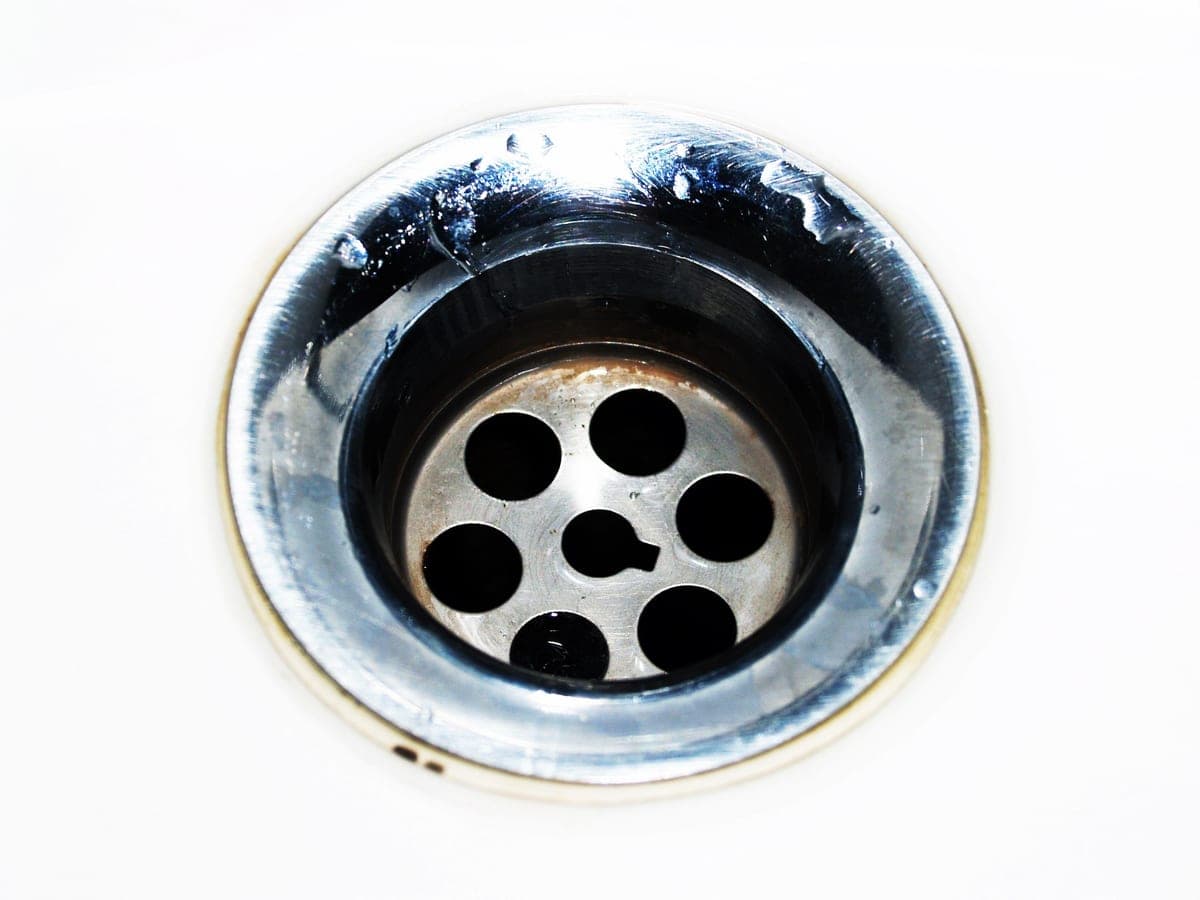
1. The kitchen drain. The gelatinous film lining the inside of the pipe is prime breeding habitat, and it is invisible. Test it: tape plastic wrap sticky-side-down across the plug hole overnight and check the underside in the morning.
2. The recycling bin. Particularly the bottom, and the residue in unrinsed bottles, cans and cartons. An empty-looking bin still has a film on the base.
3. A bag of potatoes or onions at the back of a cupboard with one going soft in the middle. This is the classic hidden source. It is dark, forgotten, and it liquefies quietly.
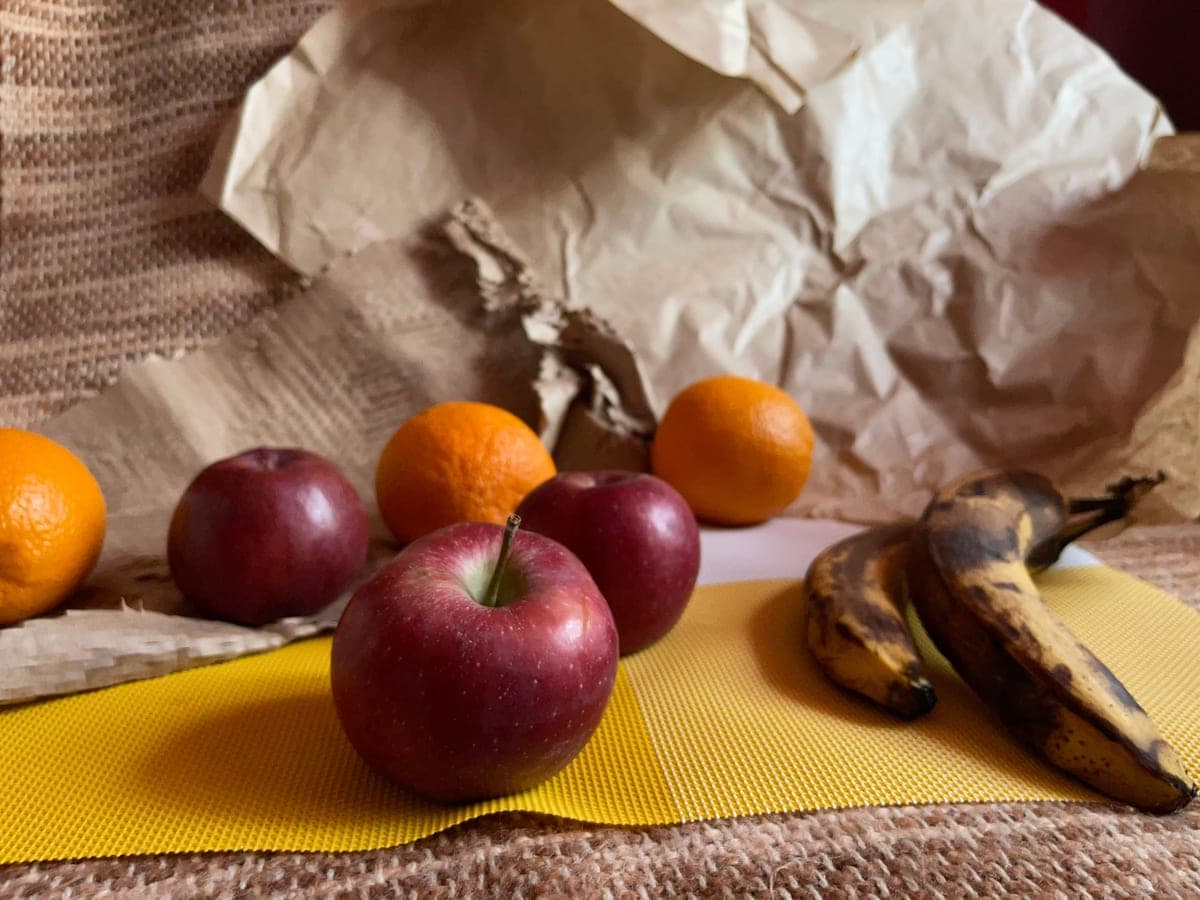
4. Ripening fruit. Bananas above all — the skin ferments while the fruit is still perfectly edible.
5. The garbage disposal. A drain with a much larger surface area and more trapped residue.
6. A spill under or behind an appliance. Juice under the refrigerator, something behind the dishwasher. Pull them out once a season.
7. The refrigerator drip tray. Standing water plus organic residue, warm, and nobody has looked at it in years.
8. Damp cloths, sponges, mop buckets. Organic residue plus permanent moisture.
9. Open bottles. Wine, beer, juice, kombucha — anything with sugar and yeast.
10. Pet bowls and wet pet food residue, including the mat underneath.
11. Compost caddies on the counter, which are a breeding site by design unless emptied and washed frequently.
12. Houseplant saucers with standing water and decaying leaf litter — though gnats off wet soil are a different insect, covered on fungus gnats in houseplants.
13. A trash can with a liquid film in the bottom, even with a fresh bag in it.
14. Beer taps, soda machines and coffee equipment — drip trays and the residue lines inside them.
Quick picks
| # | Product | Best for | Mechanism | Price |
|---|---|---|---|---|
| 1 | 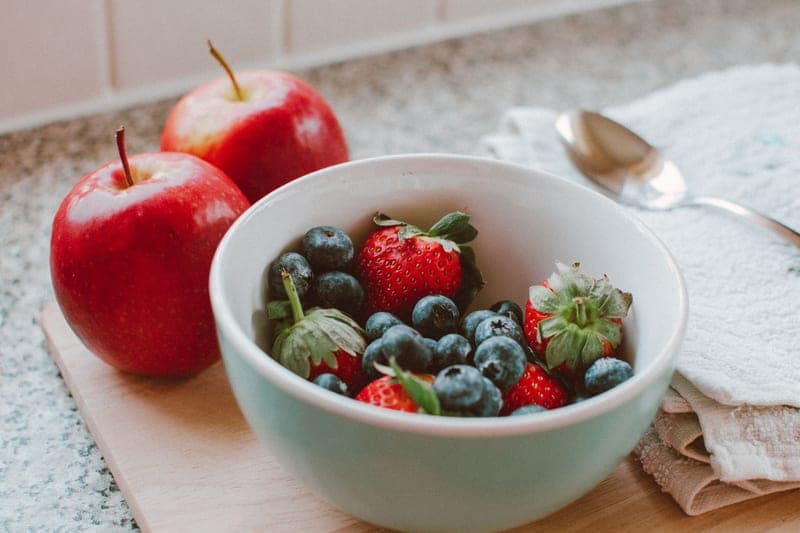 Our pickTerro Fruit Fly Trap (T2500)An apple-shaped lure trap that works because the liquid inside is a real fermentation attractant, not because of the shape. | Kitchen counters | Liquid food-based lure | |
| 2 |  Zevo Flying Insect TrapA plug-in that pairs blue and UV light with a sticky cartridge. It runs quietly in the background, which is exactly what people want from a fly problem. | Rooms you want handled passively | Blue + UV light, sticky cartridge | |
| 3 |  Aunt Fannie's FlyPunch Fruit Fly TrapA jar of food-grade lure you open and leave out. Less tidy than a sealed trap, and the fastest thing here to deploy. | Open-lid simplicity | Food-grade liquid lure, open jar |
#ad — every price link goes to Amazon and Swat & Snap earns a commission on qualifying purchases. No price is shown until it can be pulled live from the retailer.
Terro Fruit Fly Trap (T2500)
Terro · Kitchen counters
An apple-shaped lure trap that works because the liquid inside is a real fermentation attractant, not because of the shape.
- The lure outperforms homemade vinegar in a side-by-side on the same counter
- Sealed, so there is no open dish of vinegar to knock over
- Catches flies; does nothing about the drain or bin that is breeding them
- Thirty days and it is done — no refill
Check price on Amazon
Zevo Flying Insect Trap
Zevo · Rooms you want handled passively
A plug-in that pairs blue and UV light with a sticky cartridge. It runs quietly in the background, which is exactly what people want from a fly problem.
- No zapping noise and no insect debris — it is a sticky pad behind a light
- Catches gnats and small flies that a vinegar trap ignores
- Cartridges are an ongoing cost that outruns the unit price fast
- Needs a dark room to compete with daylight
Check price on Amazon
Aunt Fannie's FlyPunch Fruit Fly Trap
Aunt Fannie's · Open-lid simplicity
A jar of food-grade lure you open and leave out. Less tidy than a sealed trap, and the fastest thing here to deploy.
- Ingredients are food-grade, which matters on a counter where you prep
- Peel the lid, done — no assembly
- Open jar spills if it is knocked
- Again, catches adults without touching the breeding site
Check price on Amazon
The ones people are surprised by
The dishwasher door seal. Food residue collects in the folds of the gasket and stays damp permanently. Wipe it.
The sink overflow hole. A separate channel from the drain, never cleaned, and a good breeding site in its own right. A bottle brush and hot water.
A recently repotted plant with organic compost on the surface, which can produce both fruit flies and fungus gnats.
A dripping pipe under the sink keeping the cabinet base damp and something organic growing on it.
Fruit in a bowl that looks fine. Check the bottom of the bowl, where the liquid from a soft spot collects.
Why they showed up now
Some seasonality is real. Fruit flies enter homes on produce — eggs on the skin of fruit from a market or a garden hatch indoors — so late summer and early fall spikes are ordinary. Warmth accelerates the life cycle: at room temperature it is about a week from egg to adult, and it speeds up as the kitchen gets warmer.
That also explains why a problem can appear to start suddenly. One bag of plums carrying eggs, one warm week, and a few flies become a cloud.
Prevention that is actually worth doing
- Rinse recycling before it goes in the bin, and wash the bin's base occasionally.
- Brush the drain every few weeks. Thirty seconds with a bottle brush and hot water.
- Refrigerate ripening produce in summer, or buy less at a time.
- Check the cupboard where the potatoes and onions live, monthly.
- Dry the cloths and sponges; do not leave them in the sink.
- Wipe the dishwasher gasket when you think of it.
- Empty the counter compost caddy every day or two and wash it.
When the checklist does not find it
If you have worked through all of that and the flies keep coming, the likeliest explanations are:
- A second source you have not found. Go back to the drain, and check the overflow this time.
- They are not fruit flies. Fungus gnats off plant soil, or drain flies from the pipe, look similar at a glance and breed somewhere else entirely. Check which you have.
- They are coming from a neighboring unit, in an apartment building with shared drain stacks. Sealing your own overflow and keeping a trap running is about the limit of what you can do alone.
The full removal sequence is on how to get rid of fruit flies.
Frequently asked
What attracts fruit flies the most?
Can fruit flies come from the drain?
Why do fruit flies appear out of nowhere?
Do fruit flies like clean kitchens?
More on fruit flies & gnats
Tiny flies in the kitchen are almost never one problem. Identify which of the three you have, then treat the source — the trap alone never finishes it.
Not sure yet? Read how we pick.
Ryder M.
Ryder M. is the hands-on owner behind Magoo Media Group. He writes Swat & Snap because he got tired of pest-control advice that was either a sales pitch or a scare story.
Related on Swat & Snap
- How to get rid of fruit fliesSource first, trap second. The full 48-hour sequence and the hiding places people always miss.
- The best fruit fly trapsLure traps, plug-in lights and sticky stakes, matched to where the flies actually are.

- Drain flies in the sinkWhy pouring anything down the drain fails, the brush method that works, and how to find the right drain.
- Fruit fly trap baitCider vinegar, wine, overripe fruit — what pulls fruit flies in, and the soap trick that makes it a trap.
- Gnats vs fruit flies vs drain fliesBehavior, not anatomy: the one-minute test that tells you which tiny fly you have.