Drain flies in the sink
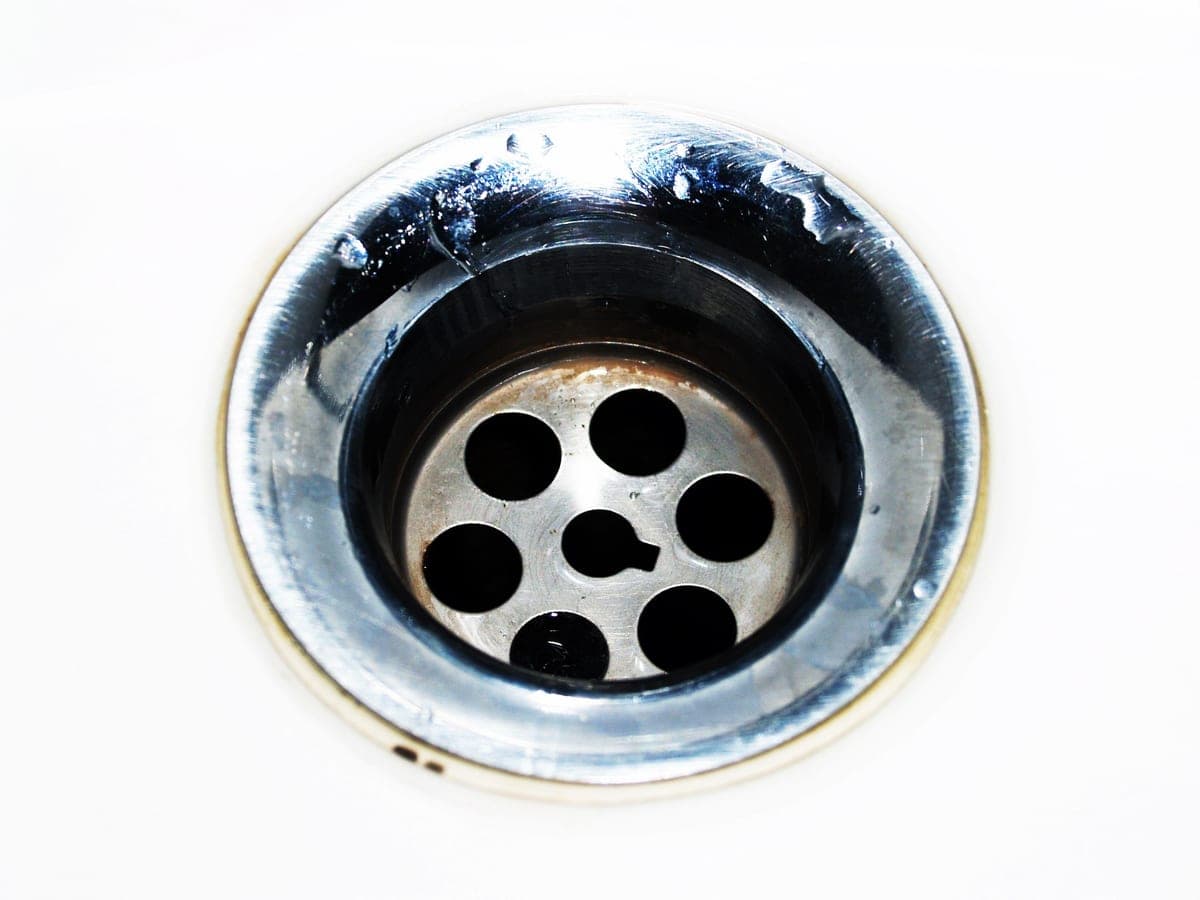
Everybody pours something down the drain. The film they breed in is on the pipe wall, and pouring goes down the middle.
By Ryder M.Published Updated
Swat & Snap earns a commission from qualifying purchases made through the links on this page, at no extra cost to you. It does not change which products we pick — see how we pick and our affiliate disclosure.
What a drain fly actually is
Small, fuzzy, moth-like, with wings held like a tiny roof, and sitting motionless on a wall or ceiling near a sink rather than hovering. When it moves it is a short clumsy hop, because drain flies are poor fliers.
They breed in the gelatinous organic film — sometimes called biofilm — that lines the inside of a drain, a trap, or an overflow. The larvae live in that film, feeding on the bacteria and organic matter in it. They are perfectly happy submerged and perfectly happy in a slow drain that never fully clears.
They do not bite, do not carry disease to any meaningful degree in a domestic setting, and are strictly a nuisance. They are also persistent, because almost every attempt to remove them misses the target.
Why pouring things down the drain does not work
The film is on the wall of the pipe. Anything you pour goes down the middle.
- Bleach runs straight through and barely contacts the film. It also does nothing to the eggs embedded in it.
- Boiling water loses most of its heat to the pipe on the way and, in a plastic waste pipe, is a bad idea in quantity anyway.
- Baking soda and vinegar produce a satisfying fizz and no mechanical action where it matters.
- Chemical drain cleaner is formulated to dissolve hair and grease clogs in the flow path, not to strip a film from the pipe wall, and it is harsh on pipes and on you.
This is why people conclude drain flies are unkillable. The treatment was never reaching them.
Step 1 — find the right drain
There is usually more than one candidate, and treating the wrong one achieves nothing.
The plastic wrap test. Tape a piece of plastic wrap, sticky side down, across the drain opening overnight. In the morning, adults emerging from that drain are stuck to the underside. Do this on every candidate at once:
- Kitchen sink
- Bathroom sink
- Shower and bath drains, including a rarely used guest shower
- A basement or utility floor drain
- The washing machine standpipe
- A condensate line from an air conditioner or furnace
- Sink overflow holes — a separate channel that is essentially never cleaned
A seldom-used drain is the most common answer, because the trap holds stagnant water and nothing disturbs the film.
Step 2 — scrub it
Mechanical removal is the treatment.
- A long, stiff bottle brush or a drain brush. Push it as far down as it goes and work it against the pipe wall in a circular motion, not just in and out.
- Bring the brush back up regularly and rinse it. You want to see the film coming off, and it looks unpleasant.
- Flush with hot tap water for a minute.
- Do the overflow too. Feed the brush in through the overflow hole; it is a separate channel with its own film.
- Repeat daily for three to five days. One pass removes some of it. Eggs and larvae in what is left will produce another round of adults, which is why people think it failed after one go.
Step 3 — follow up with an enzyme treatment
After the mechanical cleaning, a bacterial or enzyme drain treatment poured in last thing at night and left for several hours digests the remaining organic film. Unlike bleach, it is designed to work on the residue rather than the clog.
This is the maintenance step rather than the treatment step. It works much better on a drain that has already been scrubbed than on one that has not.
Quick picks
| # | Product | Best for | Mechanism | Price |
|---|---|---|---|---|
| 1 | 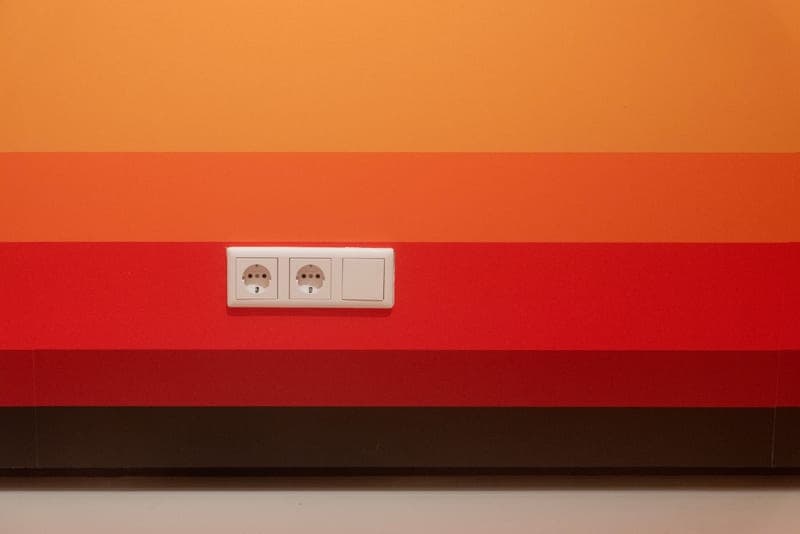 Our pickZevo Flying Insect TrapA plug-in that pairs blue and UV light with a sticky cartridge. It runs quietly in the background, which is exactly what people want from a fly problem. | Rooms you want handled passively | Blue + UV light, sticky cartridge | |
| 2 |  RESCUE! FlyWeb Indoor Fly LightA plug-in UV light over a glue card. No zap, no smell, and it works on house flies that ignore a fruit fly lure. | Quiet indoor fly control | UV light + glue card | |
| 3 |  Terro Fruit Fly Trap (T2500)An apple-shaped lure trap that works because the liquid inside is a real fermentation attractant, not because of the shape. | Kitchen counters | Liquid food-based lure |
#ad — every price link goes to Amazon and Swat & Snap earns a commission on qualifying purchases. No price is shown until it can be pulled live from the retailer.
Zevo Flying Insect Trap
Zevo · Rooms you want handled passively
A plug-in that pairs blue and UV light with a sticky cartridge. It runs quietly in the background, which is exactly what people want from a fly problem.
- No zapping noise and no insect debris — it is a sticky pad behind a light
- Catches gnats and small flies that a vinegar trap ignores
- Cartridges are an ongoing cost that outruns the unit price fast
- Needs a dark room to compete with daylight
Check price on Amazon
RESCUE! FlyWeb Indoor Fly Light
RESCUE! · Quiet indoor fly control
A plug-in UV light over a glue card. No zap, no smell, and it works on house flies that ignore a fruit fly lure.
- Silent and debris-free, which a zapper indoors is not
- Card hides the catch, so it is not a display of dead flies
- Only pulls flies within a room, and only in low light
- Glue cards need replacing more often than the box implies
Check price on Amazon
Terro Fruit Fly Trap (T2500)
Terro · Kitchen counters
An apple-shaped lure trap that works because the liquid inside is a real fermentation attractant, not because of the shape.
- The lure outperforms homemade vinegar in a side-by-side on the same counter
- Sealed, so there is no open dish of vinegar to knock over
- Catches flies; does nothing about the drain or bin that is breeding them
- Thirty days and it is done — no refill
Check price on Amazon
Step 4 — deal with the adults
The adults you can see will die off within a week or two once the breeding site is gone, but the room is unpleasant meanwhile.
- A plug-in light trap in the bathroom or utility room catches them passively.
- Swat them. Genuinely — they are slow, and it takes a few days rather than a campaign.
- A vinegar trap does not work on them. They are not attracted to fermentation. If your trap is empty, that is consistent with drain flies rather than a broken trap.
The drains people forget
- The overflow hole in a sink or bath. Its own channel, its own film, essentially never cleaned.
- A rarely used guest bathroom. Run the water weekly.
- The basement floor drain, which dries out and then holds a stagnant remnant.
- The washing machine standpipe.
- An air conditioner condensate line, which is permanently damp organic habitat in summer.
- A sump pit.
Stopping them coming back
- Brush each drain once a month. Thirty seconds, and it prevents the film establishing.
- Run water in unused drains weekly to keep the trap full and the film disturbed.
- Fix a slow drain. Standing water in the flow path is what makes a drain hospitable.
- Enzyme treatment monthly if you have had a bad case.
If it comes back anyway
In an apartment or a terrace with shared waste stacks, drain flies can come from a neighboring unit's pipework. You can seal your own overflow and keep your own drains clean, but a building-wide problem needs the building's attention.
If the insects turn out to hover rather than sit still, and cluster around fruit and bins, they are fruit flies rather than drain flies — check here and then treat accordingly.
Frequently asked
How do I get rid of drain flies for good?
Does bleach kill drain flies?
Where are drain flies coming from?
Are drain flies harmful?
More on fruit flies & gnats
Tiny flies in the kitchen are almost never one problem. Identify which of the three you have, then treat the source — the trap alone never finishes it.
Not sure yet? Read how we pick.
Ryder M.
Ryder M. is the hands-on owner behind Magoo Media Group. He writes Swat & Snap because he got tired of pest-control advice that was either a sales pitch or a scare story.
Related on Swat & Snap
- Gnats vs fruit flies vs drain fliesBehavior, not anatomy: the one-minute test that tells you which tiny fly you have.
- How to get rid of fruit fliesSource first, trap second. The full 48-hour sequence and the hiding places people always miss.

- What attracts fruit fliesThe full checklist of breeding sites, ranked by how often each one turns out to be the answer.
- The best plug-in fly trapsSilent light traps for whole-room fly control — and the running cost nobody mentions.

- How to get rid of gnatsFungus gnats come off wet soil. The watering change, the BTI step, and a realistic timeline.
