
Roundup
The best mouse traps, by situation
Six traps chosen by situation — cheap and plentiful, pet-safe by design, no-touch, or live catch.
Top pick
Victor Metal Pedal Mouse Trap (M150)
Check price on Amazon
One mouse is rarely one mouse. This hub covers what kills them, what only looks like it does, and where to put the thing you buy.

House mice are small — an adult body is about three inches, and droppings are the size of a grain of rice, pointed at both ends. If what you are finding is noticeably bigger than that, you have rats, and almost none of the advice on this hub applies. Mice vs rats settles it in about thirty seconds, and it is worth the thirty seconds: a mouse trap will not kill a rat, and a rat trap set for a mouse usually fires without catching anything.
Assuming it is mice: a single mouse is possible, but it is not the way to bet. Mice breed quickly, and the ones you never see outnumber the one that ran across the floor. That single fact drives every recommendation below, because it means the winning strategy is not one clever trap. It is a dozen ordinary ones, set at once, in the right places.
There is no single best mouse trap, and any page that says there is has not thought about your house. The choice is driven by three things: whether pets or children can reach the trap, whether you are willing to see and handle the result, and how many you need.
Ultrasonic repellers are sold in enormous numbers and do not clear an infestation. We say so in detail on do ultrasonic repellers work, including what the published extension testing actually found. Botanical repellent pouches are more defensible, but only for the narrow case they are good at — a stored vehicle, a cabin, a closed drawer — which is what natural mouse repellents covers.
Some mouse problems are really location problems, and the fix is different in each. Mice in walls is about trapping something you can hear but cannot see. Mice in the garage is about the room where they usually come in, and where a mouse in the engine bay becomes an expensive problem.
Product roundups, with the top pick and a buy link on every card.
Six traps chosen by situation — cheap and plentiful, pet-safe by design, no-touch, or live catch.
Victor Metal Pedal Mouse Trap (M150)
Check price on Amazon
No-touch disposal and a tunnel a dog's nose will not fit. Which models survive real use.
Victor Electronic Mouse Trap (M250S)
Check price on Amazon

Catch-and-release traps that actually hold a mouse, and the twice-a-day obligation that makes them humane.
Head-to-heads and the honest verdicts, for when the choice is between two things.

Not a close call. What each actually does, the one legitimate use for a glue board, and what to buy instead.

Rodenticide works — and then the carcass is in your wall and a cat can be poisoned by eating it. The honest comparison.
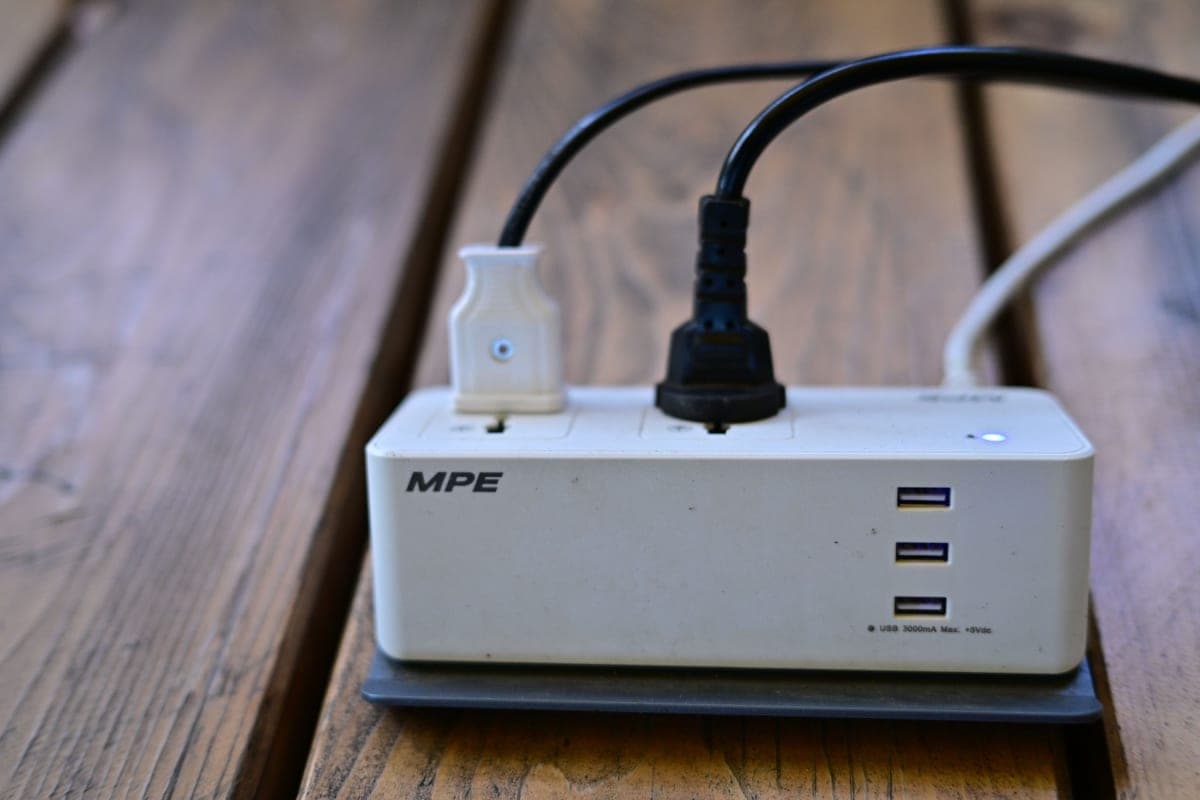
The short answer is no. Why they seem to work for a fortnight, and what the testing actually found.
How to actually solve it, step by step, before or after you buy anything.

The full sequence: find the runs, trap in quantity, bait small, seal the gaps. Timeline and what to skip.

Peanut butter, pea-sized and pressed in. What to switch to when that stops working, and the winter trick.

How to read a runway, how to orient a trap, and the three rooms people forget to cover.
Why you trap outside the cavity, how to find the exit points, and what to do about the smell.

The entry point for most household infestations — where to trap, what to seal, and protecting a stored car.

The narrow case where botanical pouches work — stored vehicles, cabins, closed drawers — and where they do not.