The best rodent repellents for cars and RVs
A chewed wiring loom is a four-figure repair on a vehicle that was parked and switched off. This is one of the few places where a repellent genuinely has a chance — and one where most of what is sold still disappoints.
By Ryder M.Published Updated

Swat & Snap earns a commission from qualifying purchases made through the links on this page, at no extra cost to you. It does not change which products we pick — see how we pick and our affiliate disclosure.
Why a vehicle is the one good case for a repellent
We are usually blunt about rodent repellents on this site: in a lived-in room they dilute to nothing, and a mouse already nesting in your wall will not leave because a cupboard smells of mint. Natural mouse repellents sets out that limit in full.
A parked vehicle is the exception, and it is worth understanding why before you spend anything. A repellent works when four things are true at once:
- The volume is small and enclosed. An engine bay is a few cubic feet with a metal lid on it, not an open room with air changes.
- There is no established nest yet. You are deterring arrival, not evicting a resident.
- There is no competing food. A clean vehicle offers shelter, not a food source.
- Nobody is living in it, so a strong smell is not a problem.
A car or an RV in storage ticks all four. That is why this page exists, and why the advice here differs from the rest of the mice hub.
Why they go for vehicles at all
Not for food. An engine bay offers warmth, shelter and nesting material, and in the fall that is enough.
The damage comes from gnawing, which rodents do constantly to keep their incisors in check. Wiring looms are exactly the right diameter, and on many modern vehicles the insulation is soy-based, which gives them a reason to prefer it. Cabin air filter housings, glovebox voids, seat foam and under-seat carpeting are the other favorites.
The bill is the point: a chewed loom is a diagnostic job plus a harness repair, and it is routinely four figures. Everything on this page is cheap by comparison, which changes how you should think about the trade-offs.
How we judged these
Criteria first, because in this category the marketing is loud and the evidence is thin:
- Does it protect the thing that costs money, or only discourage the animal?
- What does it actually require of you — monthly replacement, twice-weekly spraying, a wiring job?
- Does the mechanism hold up against published guidance, or only against testimonials?
- Does it survive the environment — heat, vibration, airflow, a vehicle you actually drive?
- Is it honest about its own limits?
No product here was tested by us. We do not run a lab, and how we pick explains what we do instead: read the manufacturer's own specification, look for the pattern across large numbers of verified buyer reviews, and check both against published extension guidance.
Quick picks
| # | Product | Best for | Mechanism | Price |
|---|---|---|---|---|
| 1 |  Our pickHonda Rodent Tape (4019-2317)Capsaicin-treated tape you wrap around the looms rodents actually chew. The only product here that protects the specific thing that costs money to repair. | Protecting the wiring itself | Capsaicin (chili compound) | |
| 2 | 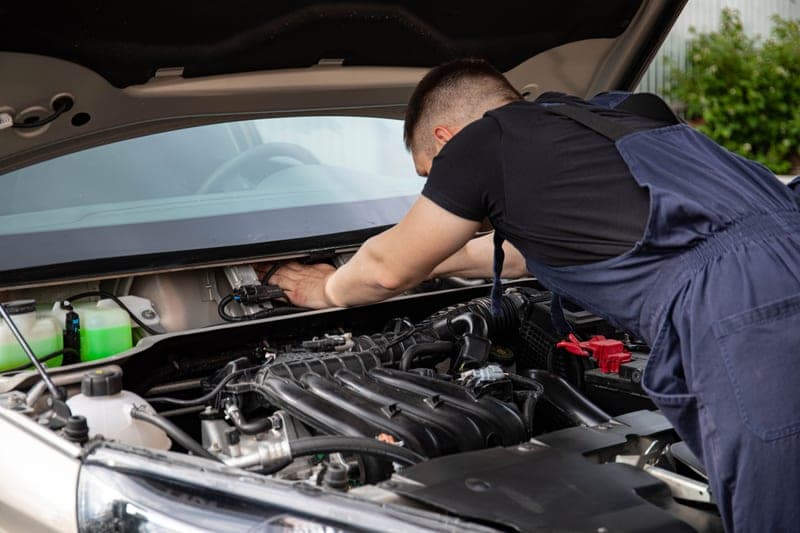 Grandpa Gus's Mouse Repellent PouchesPeppermint and cinnamon oil pouches. Same honest limits as any botanical repellent — a deterrent in a closed space, not a treatment. | Engine bays and drawers | Peppermint + cinnamon oil | |
| 3 |  Mighty Mint Rodent Repellent Vehicle SprayA peppermint-oil spray formulated for engine bays and interiors. Covers surfaces a pouch cannot, and the label is honest that it needs reapplying roughly twice a week. | Treating an engine bay quickly | Peppermint essential oil | |
| 4 | 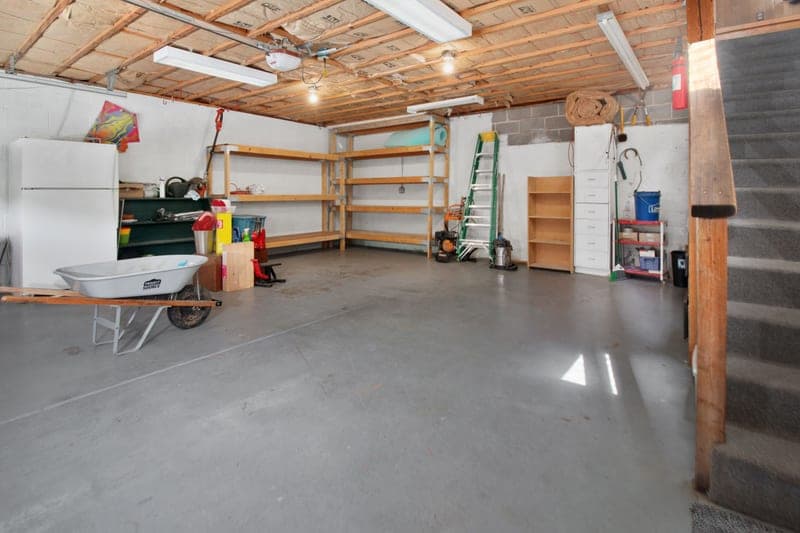 Fresh Cab Botanical Rodent RepellentBalsam fir pouches, EPA minimum-risk registered. Useful for keeping mice out of a space nobody is using; not a solution for an active infestation. | Stored vehicles and cabins | Balsam fir oil | |
| 5 | 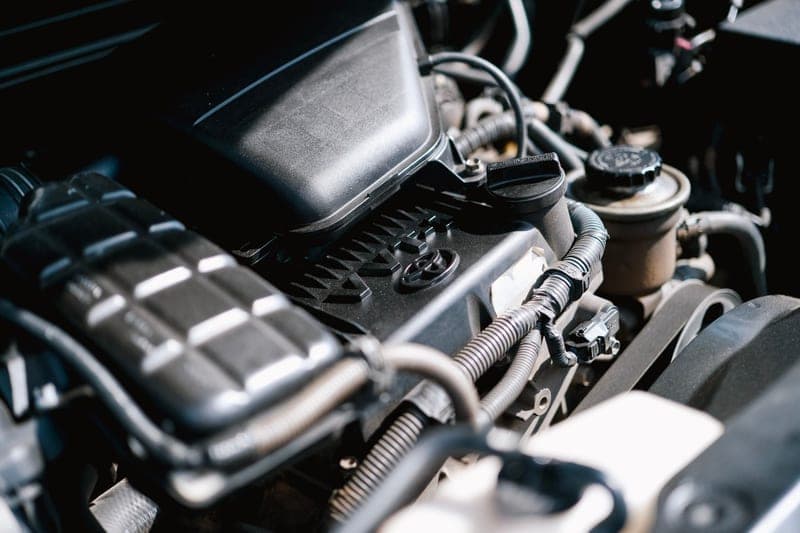 Loraffe Under Hood Animal RepellerAn under-hood unit combining ultrasound with an LED strobe. We list it because it dominates this search, and because the strobe is the half with a plausible mechanism — not the ultrasound. | The category people buy — read our caveat | Ultrasound + LED strobe | |
| 6 |  Victor Kill Vault Mouse Trap (M267)A snap trap sealed inside a plastic vault. The kill happens out of sight and out of reach, and you never touch the mouse. | Homes with a dog or a toddler | Enclosed snap bar in a sealed chamber |
#ad — every price link goes to Amazon and Swat & Snap earns a commission on qualifying purchases. No price is shown until it can be pulled live from the retailer.
Honda Rodent Tape (4019-2317)
Honda · Protecting the wiring itself
Capsaicin-treated tape you wrap around the looms rodents actually chew. The only product here that protects the specific thing that costs money to repair.
- Targets the damage rather than the animal, which is the right end of the problem
- Stays where you put it — no monthly replacement like a pouch
- A genuine dealer part, not a novelty, and it fits any make
- Fiddly to apply properly: you have to get at the looms, which means time under the hood
- Only protects what you wrap — anything you cannot reach stays exposed
- Costs more than a bag of pouches, and one roll does not cover a whole harness
Check price on Amazon
Grandpa Gus's Mouse Repellent Pouches
Grandpa Gus's · Engine bays and drawers
Peppermint and cinnamon oil pouches. Same honest limits as any botanical repellent — a deterrent in a closed space, not a treatment.
- Small enough to tuck into the places mice actually enter
- No bait, no snap, nothing a pet can trip
- Open rooms dilute it to nothing
- Replaced monthly, which people forget by week three
Check price on Amazon
Mighty Mint Rodent Repellent Vehicle Spray
Mighty Mint · Treating an engine bay quickly
A peppermint-oil spray formulated for engine bays and interiors. Covers surfaces a pouch cannot, and the label is honest that it needs reapplying roughly twice a week.
- Reaches surfaces and cable runs that a pouch sitting in a corner never touches
- Plant-based actives, so nothing corrosive going onto engine components
- Twice-weekly reapplication is the real cost, and almost nobody keeps that up
- Washes off and evaporates — on a vehicle you drive, it is gone quickly
- Botanical repellents are not registered for efficacy the way EPA actives are
Check price on Amazon
Fresh Cab Botanical Rodent Repellent
Earth-Kind · Stored vehicles and cabins
Balsam fir pouches, EPA minimum-risk registered. Useful for keeping mice out of a space nobody is using; not a solution for an active infestation.
- The one repellent category with a real use case: sealed, unoccupied storage
- No mechanism to fail, nothing to reset
- A mouse already nesting in your wall will not leave because of a pouch
- Strong pine smell in a lived-in room
Check price on Amazon
Loraffe Under Hood Animal Repeller
Loraffe · The category people buy — read our caveat
An under-hood unit combining ultrasound with an LED strobe. We list it because it dominates this search, and because the strobe is the half with a plausible mechanism — not the ultrasound.
- An engine bay is a small enclosed volume, which is the one condition where a repellent has a chance
- The LED strobe is the more defensible half — rodents avoid lit, exposed spaces
- Published extension testing does not support ultrasound for rodent control, and rodents habituate to a constant sound
- Wired versions draw from the battery; battery versions go flat without telling you
- No substitute for exclusion and trapping around where the vehicle is parked
Check price on Amazon
Victor Kill Vault Mouse Trap (M267)
Victor · Homes with a dog or a toddler
A snap trap sealed inside a plastic vault. The kill happens out of sight and out of reach, and you never touch the mouse.
- The enclosure is the reason to buy it: a dog cannot get to the bar
- Seals after firing, so there is no smell and nothing to see
- Sets by pressing the lid, not by arming a bar with your fingers
- Single-use, so a real infestation gets expensive
- Bulkier than a bare snap trap in a tight wall run
Check price on Amazon
The approaches, side by side
| Approach | Protects | Effort | Lasts | Honest verdict |
|---|---|---|---|---|
| Capsaicin wire tape | The wiring itself | High — time under the hood | Until disturbed | Best protection for the expensive part |
| Botanical pouches | The enclosed space | Low — swap monthly | ~30 days | Best value for a stored vehicle |
| Repellent spray | Surfaces and cable runs | High — ~2× weekly | Days | Good reach, poor persistence |
| Under-hood ultrasonic | Claims the whole bay | Install once | Until the battery dies | Unproven; buy it for the strobe |
| Traps around the vehicle | Reduces the population | Low — check daily | Ongoing | The thing that actually works |
| Hood up in a secure building | The whole bay | None | While stored | Free, and genuinely effective |
The pattern worth noticing: the two most effective rows are the two that are not repellents.
Protecting the wiring beats repelling the animal
The single most useful shift in thinking on this page: most buyers are trying to repel a mouse, when what they actually want is for the wiring not to get chewed.
Capsaicin-treated wire tape attacks the second problem directly. You wrap the looms and the cable runs you can reach, and the tape makes the one surface that matters unpleasant to bite. It does not care whether the mouse turns up; it cares what happens if it does.
The honest limits: it only protects what you wrap, getting at the looms properly takes real time under the hood, and one roll does not cover an entire harness. But on a stored vehicle it is the product on this page most likely to save you the repair that brought you here.
What a pouch or a spray can and cannot do
Pouches are the best-value deterrent for a vehicle that sits for weeks. Tuck several into the engine bay, the trunk, the glovebox and under the seats — multiple small volumes, each getting its own source, which is how they work. Replace on the label's schedule, usually monthly. An expired pouch is a piece of fabric, and that is the most common reason people report they "stopped working".
Sprays reach surfaces a pouch never touches: cable runs, the underside of the hood, interior carpeting. The trade is maintenance — the manufacturer's own direction is roughly twice-weekly reapplication, and almost nobody sustains that. On a vehicle you drive daily, a spray is close to pointless. On a vehicle in storage that you visit anyway, it is reasonable.
Both are botanical. That means they are not registered for efficacy the way EPA-registered actives are — the minimum-risk exemption is a statement about ingredient risk, not effectiveness. Treat them as deterrents that raise the odds, not as a guarantee.
A note for cat owners: several essential oils used in natural repellents are poorly tolerated by cats. If the vehicle lives in a garage a cat uses, check the active ingredient rather than the word natural on the front. Pet-safe rodent repellents goes through it.
Under-hood ultrasonic devices: the honest verdict
These dominate this search, so here is a straight answer rather than a dodge.
The site's general position on ultrasonic rodent repellers is that they do not clear an infestation: ultrasound does not pass through walls or furniture, and rodents habituate to a constant sound within days. Do ultrasonic repellers work sets out what the published extension testing found.
An engine bay is a more favorable case than a room — it is small, enclosed and reflective, which is the one condition where sound pressure stays high. But "more favorable than the worst case" is not evidence of effectiveness, and we have not found published testing that supports ultrasound specifically for vehicle protection.
The LED strobe on these units is the more defensible half. Rodents are prey animals that avoid lit, exposed spaces, and a bright intermittent light inside a dark cavity is a plausible deterrent in a way that an inaudible tone is not.
So: if you buy one, buy it for the light, understand that the wired versions draw from the battery and the battery versions go flat silently, and do not let it replace the things below that actually work.
What actually works, in order
This is the part most pages in this category skip.
1. Park somewhere you have also trapped. The mice come from the space around the vehicle — a garage, a barn, a driveway beside a woodpile. Set a line of traps along the walls of that space, not inside the engine bay. Best mouse traps for the picks, and mice in the garage for the room most of them enter through.
2. Leave the hood up if the vehicle is inside a secure building. A bright, open, exposed engine bay is a far worse nest site than a dark sealed one. It costs nothing and it is one of the most effective single steps available.
3. Remove every food source. Not a wrapper, not a dog treat under a seat, not a bag of birdseed on the shelf beside the car. A garage with stored seed is feeding the population that then moves into your engine bay — get it into metal or hard plastic.
4. Close the building, not the car. A mouse needs a gap about 6 mm across. Steel wool packed into gaps and sealed over, a replaced garage door bottom seal, and sealed service penetrations do more than anything you can put under a hood. How to get rid of mice has the exclusion pass.
5. Then add the products above, as the last layer rather than the first.
If they have already been in
- Check the cabin air filter housing. It is a favorite nest site and it opens easily on most cars.
- Look along the looms for insulation damage before you drive anywhere. A chewed earth strap is a fault that presents as something else entirely.
- Clear the nest, following the usual precautions: ventilate first, wear gloves, do not sweep or vacuum dry, dampen the material with disinfectant, leave it five minutes, lift with paper towel and bag it. The CDC guidance is linked below and the reasons are real.
- Get the wiring inspected if there is any visible damage. This is the one part of the job that is not a DIY call.
Timing: this is a fall problem
Vehicle rodent damage is strongly seasonal. Pressure climbs from late September as nights get cold and outdoor food gets scarce, peaks through winter, and falls away in spring when the engine bay stops being the warmest option around.
That has two practical consequences.
The best time to act is before the season, not during it. Late summer is when sealing the building, clearing stored seed and getting pouches into the vehicle costs least and achieves most. By the time you find droppings on the air filter, a population is already established nearby.
A vehicle that sits still through winter is the highest-risk case there is. A daily driver is disturbed constantly — the engine gets hot, the hood opens, the vehicle moves. A car or camper parked from October to April is a stable, undisturbed, warm cavity for six months. If you store anything seasonally, that is the vehicle to treat.
What we left out, and why
Mothballs. They turn up in every forum thread on this topic. Naphthalene is a registered pesticide whose label does not permit use as a rodent repellent, the vapor is a genuine health concern in an enclosed space, and you would be breathing it in the cabin afterwards. Ineffective and a misuse of a pesticide.
Dryer sheets, Irish Spring soap and cayenne powder. Widely repeated, no supporting evidence, and the soft ones get shredded into nest material — which is the opposite of the intended effect.
Rodenticide anywhere near a vehicle. A poisoned mouse dies inside the structure it was sheltering in, which here means inside your dashboard or behind a trim panel. Every objection in mouse trap vs poison applies, plus one that is specific to vehicles: you cannot open a wall cavity to retrieve it, and the smell will outlast your patience.
Glue boards in an engine bay. They melt, they catch the wrong animals, and a stuck rodent in a hot engine bay is a bad outcome for everyone.
RVs, campers and boats
Everything above applies, with three additions:
- There is food in an RV, which changes the calculation completely. Strip it — including the things people forget, like a bag of pasta in a locker or a bar of chocolate in a drawer.
- There are far more entry points. Utility bays, cable pass-throughs, the gap around a waste pipe, vents. Mesh and seal them; this matters more than any repellent.
- The volumes are bigger, so one pouch in the middle achieves little. Treat each locker, bay and cupboard as its own small space with its own source.
For a vehicle stored outdoors over winter, the realistic answer is a combination: the building or cover sealed as far as possible, traps set around the parking area, pouches in every enclosed volume, and tape on the looms you can reach.
Frequently asked
What is the best rodent repellent for a car engine?
Do under-hood ultrasonic rodent repellers work?
Why do mice chew car wiring?
Does peppermint oil keep mice out of a car?
How do I keep mice out of an RV in storage?
More on mice
One mouse is rarely one mouse. This hub covers what kills them, what only looks like it does, and where to put the thing you buy.
Not sure yet? Read how we pick.
Ryder M.
Ryder M. is the hands-on owner behind Magoo Media Group. He writes Swat & Snap because he got tired of pest-control advice that was either a sales pitch or a scare story.
Related on Swat & Snap
- Natural mouse repellentsThe narrow case where botanical pouches work — stored vehicles, cabins, closed drawers — and where they do not.

- Mice in the garageThe entry point for most household infestations — where to trap, what to seal, and protecting a stored car.
- Do ultrasonic repellers work on mice?The short answer is no. Why they seem to work for a fortnight, and what the testing actually found.
- The best mouse traps, by situationSix traps chosen by situation — cheap and plentiful, pet-safe by design, no-touch, or live catch.

- How to get rid of miceThe full sequence: find the runs, trap in quantity, bait small, seal the gaps. Timeline and what to skip.

- Pet-safe rodent repellentsThe essential oils that are toxic to cats, the ones that are not, and what a repellent can realistically achieve.