
Roundup
The best rat traps, by situation
Snap, electronic, self-resetting and live traps compared — plus the pre-baiting step that decides success.
Rats are cautious, strong and much harder to trap than mice. Everything here assumes you only get one good attempt at a wary animal.
Everything that makes mouse control easy is reversed with rats. A mouse investigates new objects; a rat avoids them for days, a behavior called neophobia, and it is the single reason most rat trapping fails. A mouse can be caught the night you set the trap. A rat usually cannot.
They are also strong enough that a trap which merely injures is a real problem — for the animal and for you. That is why we steer people toward full-size snap traps and proper electronic traps rather than the light plastic ones, and why we are blunt about where each one belongs. Mice vs rats will confirm which animal you have before you spend anything.
Our full sequence, with the details of each step, is in how to get rid of rats.
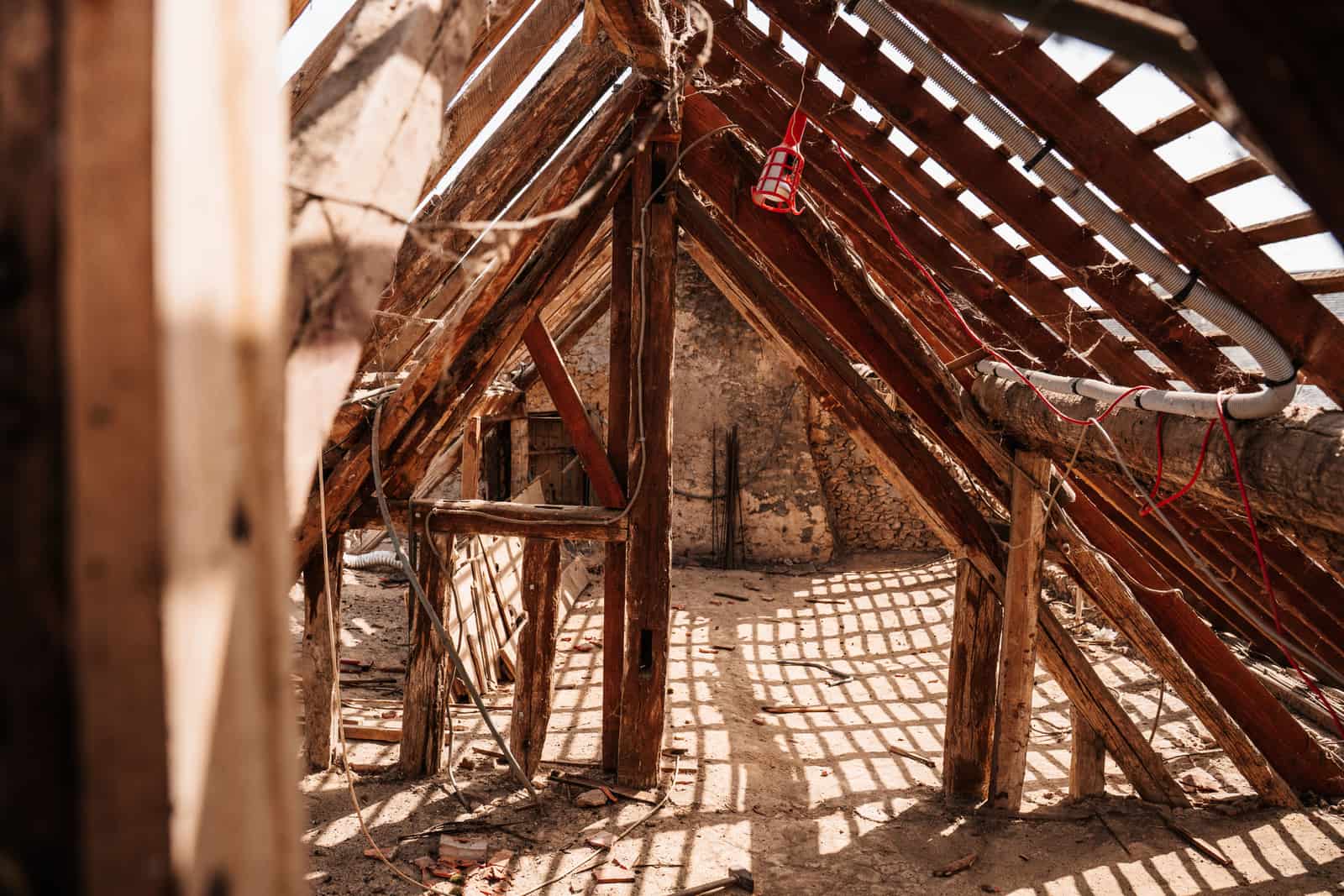
In the attic or crawl space. This is the classic roof-rat situation: noise overhead at dusk, droppings on insulation, gnawed cable. Handling a dead rat in a crawl space is grim, which is why electronic rat traps earn their price here — the animal dies inside the tunnel and you tip it out without touching it. Rats in the attic covers the rest, including the insulation question.
In the yard, under decking, around a coop. Outdoor pressure is continuous, because the yard connects to everyone else's yard. Outdoor rat traps and rats in the yard deal with weather, non-target animals, and the food source you have not noticed yet.
Around a bait decision. Bait stations are the locked boxes you see against commercial walls. Our recommendation is usually to buy the station and load it with snap traps rather than poison, for reasons set out in rat trap vs poison and in the honest answer at is there pet-safe rat poison.
Where the rat has already beaten you once. A rat that has survived a trap will not approach that trap again. Trap-shy rats is the page for that specific, frustrating situation.
Anticoagulant rodenticides work. They also create two problems the label does not solve: the rat dies somewhere you cannot reach, and whatever eats the carcass — a cat, an owl, a fox, a dog — takes on the dose. Second-generation anticoagulants persist in the liver of the animal that ate them, which is the mechanism behind documented secondary poisoning of raptors and pets. We cover it honestly rather than pretending the demand does not exist, and we route you to the safer method that does the same job.
This site exists to help you do it yourself, which is exactly why it should tell you when not to. A structural colony in the walls of a building, a large droppings clean-up in an unventilated crawl space, or any situation involving a vulnerable person in the house is a job for a professional. Humane rat control also covers the cases where the kind option and the effective option genuinely diverge.
Product roundups, with the top pick and a buy link on every card.
Snap, electronic, self-resetting and live traps compared — plus the pre-baiting step that decides success.

No-touch disposal where it matters most. Battery life, damp, and how to place them on a joist run.
Victor Electronic Rat Trap (M240)
Check price on Amazon

Weatherproof sets, self-resetting traps, and how to keep non-target animals out of an outdoor trap.

Tamper-resistant stations that actually lock — and the case for loading them with traps rather than bait.
Head-to-heads and the honest verdicts, for when the choice is between two things.
Where the rat dies, what happens next, and why a locked station full of traps beats a locked station full of bait.
How to actually solve it, step by step, before or after you buy anything.

Pre-bait, set everything at once, then exclude. Timeline, the harborage audit, and when to call someone.

What rats actually take, how to secure it so they cannot lift it, and why pre-baiting matters more.

Why a survivor stops feeding, and the reset that gets a stalled campaign working again.
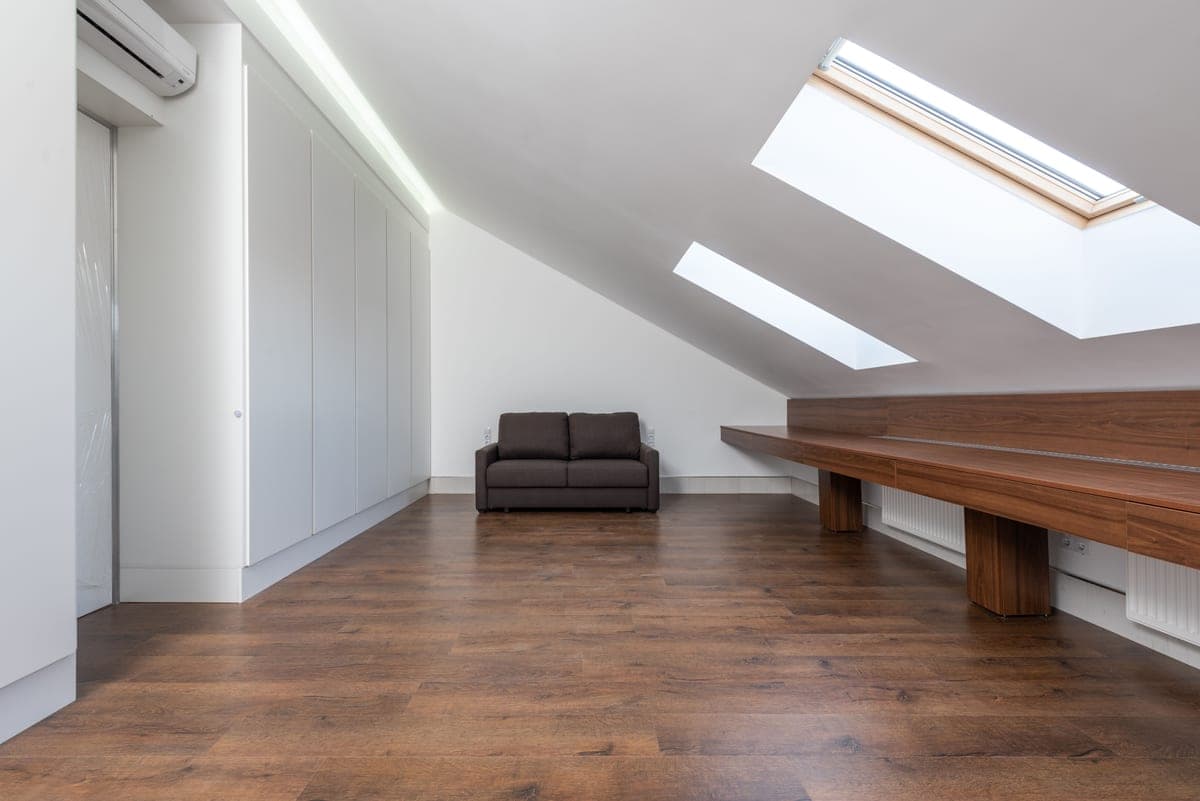
Roof rats, joist-run trapping, the branches that let them in, and the honest limits on the clean-up.

The food and harborage audit that actually ends it, plus where outdoor stations go.

Why live-trapping rats is harder than it looks, the honest welfare ranking, and prevention as the kindest method.