Best rat traps for a basement
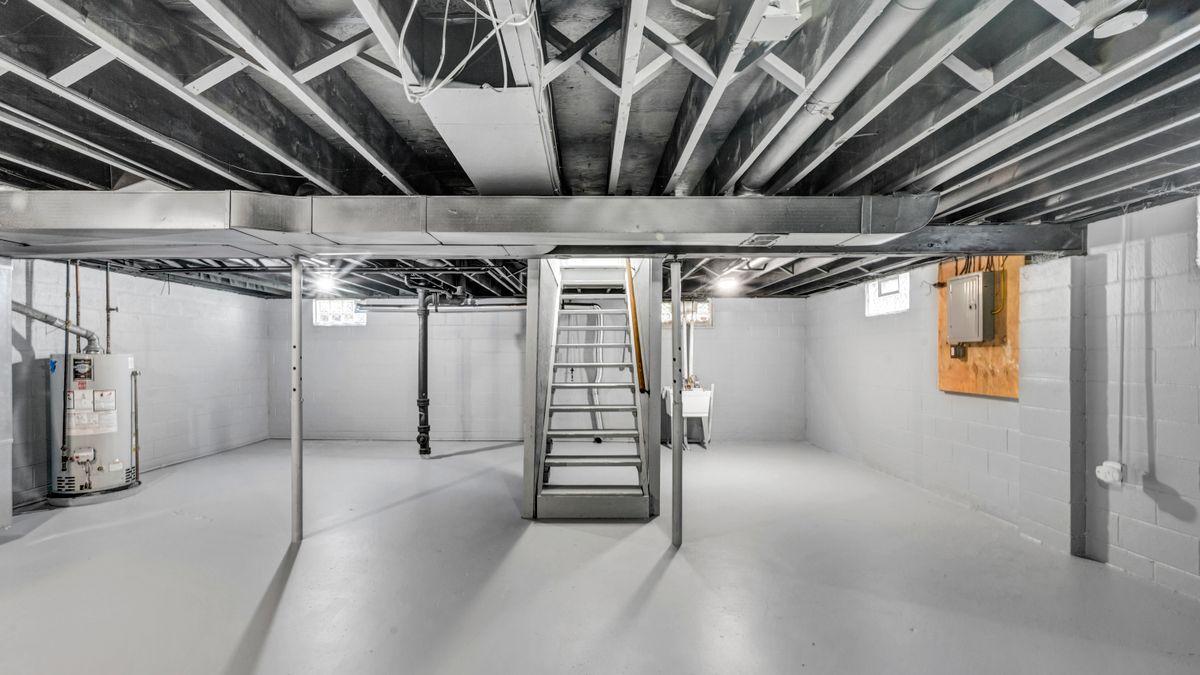
A basement is the easiest place in a house for a rat to live and one of the hardest for you to trap: the runs are behind stored boxes, the light is bad, and half the building's pipe and cable penetrations come through down there. Trapping works, but the placement does more than the product.
By Ryder M.Published Updated
Swat & Snap earns a commission from qualifying purchases made through the links on this page, at no extra cost to you. It does not change which products we pick — see how we pick and our affiliate disclosure.
Why rats end up in the basement
A basement offers the three things a rat is looking for, stacked on top of each other.
Entry. Almost every pipe, cable and duct that enters the house passes through the foundation or the rim joist, and the gaps around them are rarely sealed properly. A rat needs about the width of a soda can — roughly an inch and a half of gap, or a hole it can widen by gnawing. Floor drains, sump pits, old coal chutes and dryer vents are all on the list.
Cover. Stored boxes, shelving, a stack of timber, the space behind the furnace. Rats travel where they cannot be seen and will not cross open floor if there is a route along a wall.
Water. Condensation on pipes, a sump, a slow leak, a dehumidifier tray. Rats need to drink daily, and that is often why the basement is the colony site rather than the attic.
The useful consequence is that the runs in a basement are predictable: against the walls, behind the stored items, along the pipe runs overhead. Those three lines are where traps go, and nowhere else is worth bothering with. Rats in the walls covers the cavity version of the same behavior.
Dry basement or damp basement changes the trap
This is the decision that matters, more than brand.
A dry, heated basement is a good environment for an electronic rat trap, and an electronic trap is the nicest thing to own down there. It sits in a corner you do not want to visit, it kills inside an opaque tunnel, and a light on the top tells you from the stairs whether there is anything to deal with. You never see or touch the animal, which matters more with a rat than with a mouse.
A damp, unheated basement is the wrong place for anything with a battery. Condensation on contacts and cold cells shorten the life of the unit, and a flat battery is an inert trap you will not notice for a week. Here the answer is heavy mechanical traps in numbers, which do not care about the humidity and cost little enough to abandon in a wet corner.
If you are unsure which you have, put a hygrometer on a shelf for a day or stand a sheet of cardboard on the floor overnight. Anything that feels clammy is a mechanical-trap basement.
Size matters more than people expect
A mouse trap will not catch a rat. The spring is too weak and the striking bar too short, and what you get is a sprung trap, an unharmed and now extremely wary rat, and a fortnight wasted. In the other direction, a rat trap is often too stiff for a mouse to fire at all.
Rat droppings are two to three times the size of mouse droppings with blunt ends; mouse droppings are rice-grain sized and pointed. If the droppings are large, buy rat traps and nothing smaller. What size rat trap do I need is the sizing page, mice vs rats is the identification page, and mouse traps vs rat traps is the direct comparison.
Quick picks
| # | Product | Best for | Mechanism | Price |
|---|---|---|---|---|
| 1 | 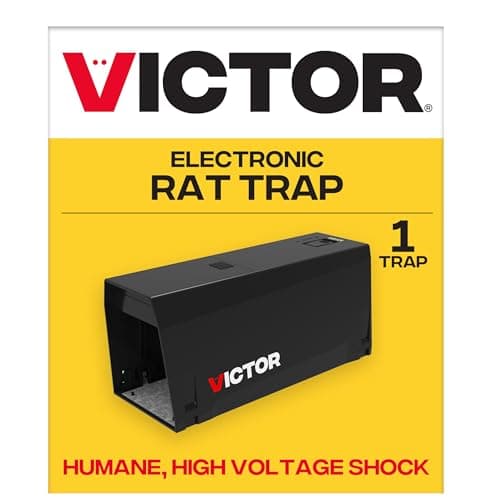 Our pickVictor Electronic Rat Trap (M241B)A large shock tunnel that handles rat-sized animals. The no-touch disposal is worth more in an attic than anywhere else in the house. | Attics and crawl spaces | High-voltage shock tunnel | $34.27View on Amazon Price as of November 11, 2026 |
| 2 | 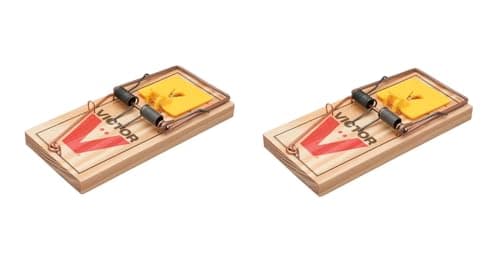 Victor Easy Set Rat Trap (M205)The rat-sized version of the trap that defined the category. Enough spring force to be lethal instantly, which matters more with rats than with mice. | Most rat jobs | Spring bar, expanded trigger pedal | $12.70View on Amazon Price as of November 11, 2026 |
| 3 | 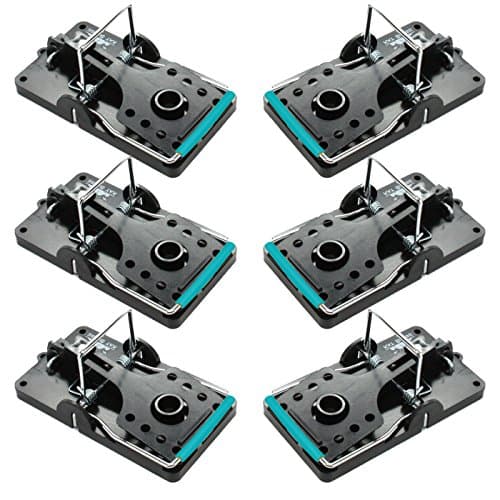 Kat Sense Large Rat TrapsPlastic jaw traps sold in packs. Individually less forceful than a Victor; collectively they let you cover every runway at once, which is how rat trapping actually succeeds. | Buying traps in quantity | Plastic jaw, serrated bite | $19.97View on Amazon Price as of November 11, 2026 |
| 4 | 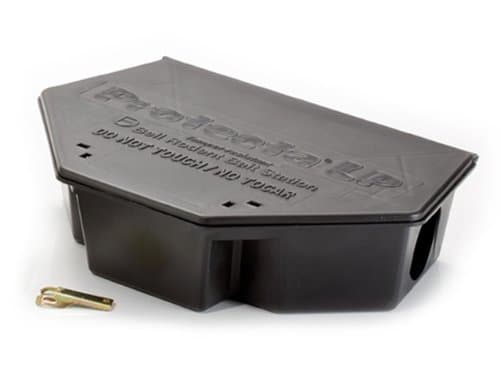 Protecta LP Rat Bait StationThe low-profile station professionals use. Buy it for the lock and the anchoring, and read our poison page before you decide to put bait in it at all. | Locked exterior baiting | Locked tamper-resistant station | $27.45View on Amazon Price as of November 11, 2026 |
| 5 | 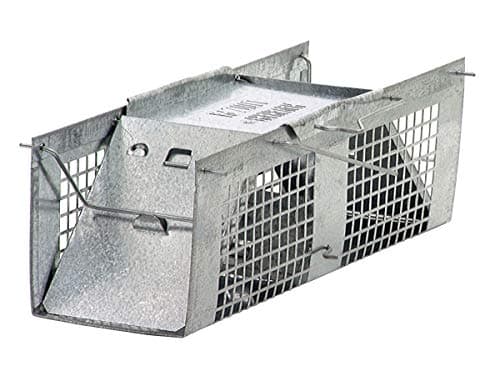 Havahart 1020 Two-Door Mouse & Rat TrapA proper two-door cage trap. Live-trapping rats is legally restricted in many places and practically hard — read the humane page before committing to it. | Live catch, rat-sized | Two gravity-action doors | $21.36View on Amazon Price as of November 11, 2026 |
#ad — every price link goes to Amazon and Swat & Snap earns a commission on qualifying purchases. Prices are pulled live from the retailer; where one is not available the button reads “Check price on Amazon” rather than showing a stale number.
Victor Electronic Rat Trap (M241B)
Victor · Attics and crawl spaces
A large shock tunnel that handles rat-sized animals. The no-touch disposal is worth more in an attic than anywhere else in the house.
- Tunnel shape keeps the plates away from paws
- You tip it out — no bar to release over a dead rat
- D cells, and it drains them faster than the box suggests
- Damp crawl spaces corrode the contacts
Victor Easy Set Rat Trap (M205)
Victor · Most rat jobs
The rat-sized version of the trap that defined the category. Enough spring force to be lethal instantly, which matters more with rats than with mice.
- Kills instantly when placed square to a runway, which cheap traps often do not
- Wide pedal fires even on a cautious approach
- Genuinely dangerous to set in a home with pets — it must be boxed
- Rats are neophobic: expect to leave it unset for several days first
Kat Sense Large Rat Traps
Kat Sense · Buying traps in quantity
Plastic jaw traps sold in packs. Individually less forceful than a Victor; collectively they let you cover every runway at once, which is how rat trapping actually succeeds.
- Quantity is the strategy with rats, and these make quantity affordable
- Foot-press arming means you never put a hand near the jaw
- Less spring force than a metal-bar trap on a big Norway rat
- Jaws weaken after repeated cycles
Protecta LP Rat Bait Station
Bell Labs · Locked exterior baiting
The low-profile station professionals use. Buy it for the lock and the anchoring, and read our poison page before you decide to put bait in it at all.
- Properly tamper-resistant, unlike the unlocked trays sold as stations
- Can be loaded with snap traps instead of bait — which is what we would do
- The station is safe; anticoagulant bait inside it still poisons what eats the rat
- Needs anchoring or it gets dragged
Havahart 1020 Two-Door Mouse & Rat Trap
Havahart · Live catch, rat-sized
A proper two-door cage trap. Live-trapping rats is legally restricted in many places and practically hard — read the humane page before committing to it.
- Two entrances roughly double the catch rate over a single-door cage
- Galvanized mesh survives being left outdoors
- Relocating rats is illegal in many states and cruel in most climates
- Wire mesh is visible and rats avoid new objects for days
Placement in a basement, specifically
Along the base of the walls, behind the stored boxes. Pull everything out six inches from the wall first — that gives you a clear, traceable run and a place to set traps where nothing else goes.
At the pipe and cable penetrations. The gap around the water main, the gas line, the electrical conduit. Those are the doors.
On the overhead joist runs if the basement is unfinished. Rats use the top of joists and the tops of pipes as highways. A trap on a joist, secured with a cable tie so a struggling rat cannot drag it, catches animals you will never see on the floor.
Not in the middle of the floor. Ever. It is a wasted trap.
Secured. A rat is strong enough to move a trap. Tie it to a pipe, a joist or a block with a cable tie through the trap's own hole, so a half-caught animal does not take your trap into a wall cavity.
Set eight or more at once. Rats are considerably more cautious of new objects than mice — "trap shyness" is a genuine phenomenon and the reason professionals pre-bait — and the way to beat it is coverage plus patience. How many rat traps do I need has the numbers, and trap-shy rats covers the pre-baiting trick: leave the traps down unset and baited for two or three nights, then arm them all on the same evening.
Bait that works down there
A basement rat is usually feeding somewhere else in the house or outdoors, so the bait has to be better than what it is already eating. Peanut butter pressed into the trigger works. So does a smear of peanut butter with a few oats stuck to it, a piece of dried fruit tied on with thread, or in a damp basement a nut-based bait that will not go moldy in two days.
Tie or press the bait on so it cannot be lifted off cleanly. Best rat trap bait has the full list, including what to do when the bait keeps vanishing without a catch.
Poison is a particularly bad idea in a basement
A poisoned rat dies in a cavity, and in a basement the cavity is a floor void or a wall you cannot open. The smell lasts weeks, and the only remedy is time. Cleaning up rat droppings covers the sanitation side and rat trap vs poison covers the choice.
There is also a secondary-exposure problem if you have a cat or a dog that uses the basement. A sick rat is easy prey. If you are set on bait, it belongs in a locked exterior station on the outside of the house, not loose in a basement corner.
Then close the holes
Trapping clears the animals in the basement. The reason there were animals in the basement is a gap, and in a basement the gaps are unusually findable because the structure is exposed: go round with a flashlight at dusk and look for daylight, rub marks, and gnawed edges around every penetration.
Fill with quarter-inch galvanized hardware cloth or stainless mesh, then finish with a pest-rated foam over the metal — never foam on its own, because a rat chews through cured foam in a night. The materials are in best rat-proofing materials, and the whole job in order is how to get rid of rats.
Frequently asked
What is the best rat trap for a basement?
How many rat traps should I set in a basement?
Where do rats get into a basement?
Should I use poison in a basement?
Will a mouse trap catch a rat in the basement?
Do I need to secure the trap?
More on rats
Rats are cautious, strong and much harder to trap than mice. Everything here assumes you only get one good attempt at a wary animal.
Not sure yet? Read how we pick.
Ryder M.
Ryder M. is the hands-on owner behind Magoo Media Group. He writes Swat & Snap because he got tired of pest-control advice that was either a sales pitch or a scare story.
Related on Swat & Snap
- The best rat traps, by situationSnap, electronic, self-resetting and live traps compared — plus the pre-baiting step that decides success.
- The best indoor rat trapsNo-touch and enclosed sets for inside the house, plus the pre-baiting step that decides the outcome.
- The best rat traps for crawl spacesDamp-tolerant, no-touch sets for the hardest space to service — and when to stop and call someone.
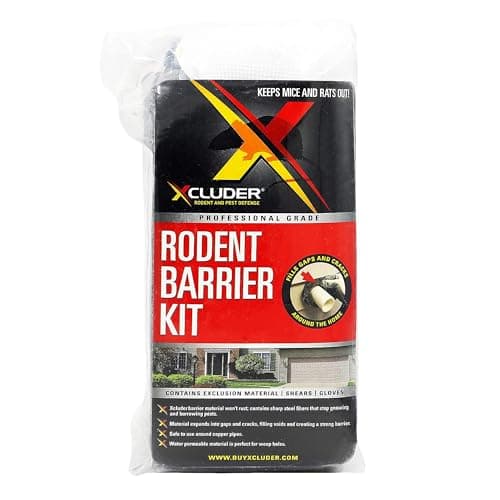
- Best rat-proofing materialsThe five materials that hold against a rat — stainless fill fabric, hardware cloth, copper mesh and two pest-rated foams — and the order to use them in.
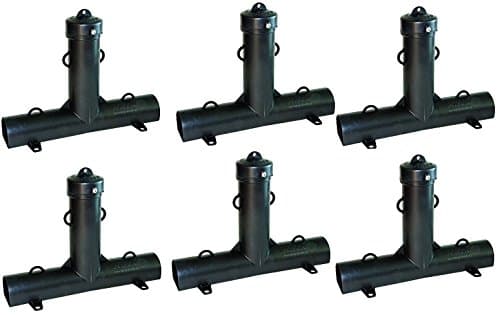
- How many rat traps do I need?How many rat traps to set per runway, room and yard, with the honest arithmetic and when to stop buying.
- Rats in the wallsConfirm it is rats, trap at the exits rather than opening the cavity, and seal the climb that got them in.