How to get rid of fruit flies
This is one of the few pest problems that can genuinely be over in two days — provided you find what is breeding them rather than just trapping what is flying.
By Ryder M.Published Updated
Swat & Snap earns a commission from qualifying purchases made through the links on this page, at no extra cost to you. It does not change which products we pick — see how we pick and our affiliate disclosure.
Why this is winnable in 48 hours
Fruit flies live about a week as adults and go from egg to adult in roughly seven days in a warm kitchen. That short cycle cuts both ways: a population explodes in days, and it collapses just as fast once the breeding site stops producing.
So the problem is not killing flies. It is finding the thing they are breeding in.
Trapping without that is bailing a boat with the hole still in it — you remove adults at about the rate they are made, which looks exactly like a trap that does not work.
Step 1 — confirm they are fruit flies
Hovering around fruit, bins or the sink means fruit flies. Drifting off plant soil means fungus gnats. Sitting still on a bathroom wall means drain flies. Different insect, different fix. Gnats vs fruit flies vs drain flies takes a minute.
Step 2 — find the source
Fruit flies breed in fermenting organic residue. The candidates, in the order they usually turn out to be the answer:
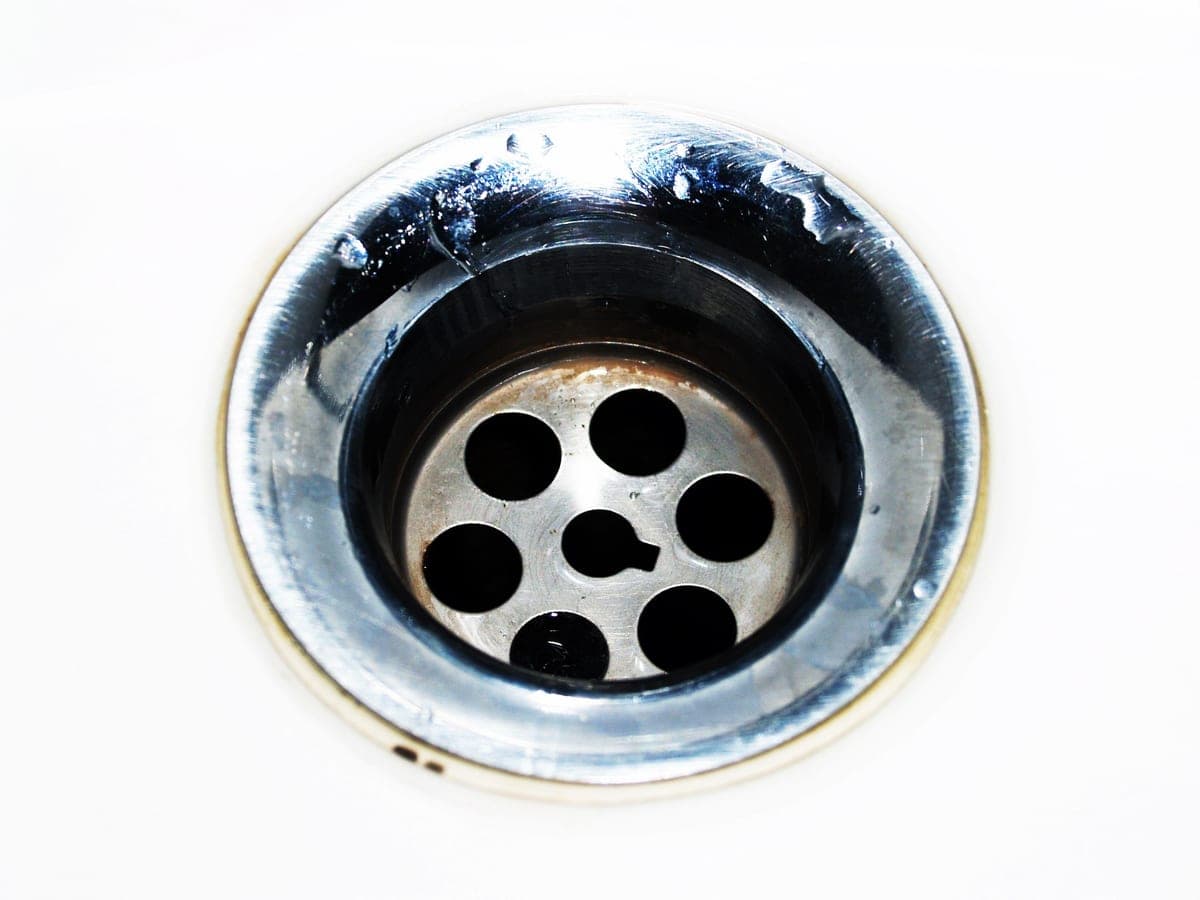
- The kitchen drain. The organic film lining the inside of the pipe is the single most common breeding site, and almost nobody looks. Test it: tape plastic wrap sticky-side-down across the plug hole overnight. Flies on the underside in the morning is your answer.
- The recycling bin. Specifically the bottom, and the residue in unrinsed bottles and cans.
- A bag of potatoes or onions at the back of a cupboard, with one going soft in the middle. This is the classic hidden source and it is frequently the one.
- Ripening fruit in a bowl — bananas most of all.
- The garbage disposal, which is a drain with extra surface area.
- A spill under or behind an appliance, particularly under the refrigerator or dishwasher.
- The drip tray under the refrigerator.
- A mop bucket, a dishcloth, a sponge, or a cleaning cloth left damp.
- An open bottle of wine, beer or juice.
- Pet bowls and pet food, especially wet food residue.
Step 3 — destroy it
Drains: scrub the inside wall of the pipe with a long bottle brush, then flush with hot water. This is mechanical work — the film has to come off. Pouring bleach or boiling water down goes straight through the middle and leaves the film on the walls, which is why that approach so often fails. An enzyme drain treatment left overnight is a reasonable follow-up.
Bins: empty, wash with hot soapy water including the bottom and the lid, dry, and rinse recyclables before they go in.
Produce: move everything ripening into the refrigerator for a week. Throw out anything soft. Check the bottom of the fruit bowl, which is where the liquid is.
Everything else on the list: clean it, dry it, and keep it dry.
Step 4 — trap the adults
Now the trap does something, because nothing is replacing what it catches.
- Homemade: apple cider vinegar with a drop of dish soap in a shallow bowl. The soap breaks the surface tension so flies sink rather than walking off. Place it within a foot of where they were worst.
- Commercial: a sealed lure trap catches somewhat more per trap and cannot be spilled on a working counter.
- Plug-in light trap: for passive, ongoing control in a dim corner.
The full picks, and the honest DIY versus store-bought comparison.
Quick picks
| # | Product | Best for | Mechanism | Price |
|---|---|---|---|---|
| 1 | 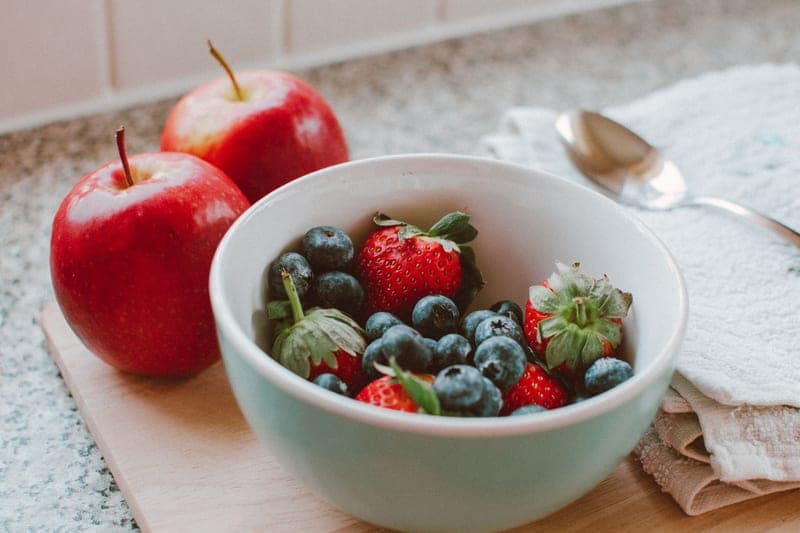 Our pickTerro Fruit Fly Trap (T2500)An apple-shaped lure trap that works because the liquid inside is a real fermentation attractant, not because of the shape. | Kitchen counters | Liquid food-based lure | |
| 2 |  Aunt Fannie's FlyPunch Fruit Fly TrapA jar of food-grade lure you open and leave out. Less tidy than a sealed trap, and the fastest thing here to deploy. | Open-lid simplicity | Food-grade liquid lure, open jar | |
| 3 |  Zevo Flying Insect TrapA plug-in that pairs blue and UV light with a sticky cartridge. It runs quietly in the background, which is exactly what people want from a fly problem. | Rooms you want handled passively | Blue + UV light, sticky cartridge |
#ad — every price link goes to Amazon and Swat & Snap earns a commission on qualifying purchases. No price is shown until it can be pulled live from the retailer.
Terro Fruit Fly Trap (T2500)
Terro · Kitchen counters
An apple-shaped lure trap that works because the liquid inside is a real fermentation attractant, not because of the shape.
- The lure outperforms homemade vinegar in a side-by-side on the same counter
- Sealed, so there is no open dish of vinegar to knock over
- Catches flies; does nothing about the drain or bin that is breeding them
- Thirty days and it is done — no refill
Check price on Amazon
Aunt Fannie's FlyPunch Fruit Fly Trap
Aunt Fannie's · Open-lid simplicity
A jar of food-grade lure you open and leave out. Less tidy than a sealed trap, and the fastest thing here to deploy.
- Ingredients are food-grade, which matters on a counter where you prep
- Peel the lid, done — no assembly
- Open jar spills if it is knocked
- Again, catches adults without touching the breeding site
Check price on Amazon
Zevo Flying Insect Trap
Zevo · Rooms you want handled passively
A plug-in that pairs blue and UV light with a sticky cartridge. It runs quietly in the background, which is exactly what people want from a fly problem.
- No zapping noise and no insect debris — it is a sticky pad behind a light
- Catches gnats and small flies that a vinegar trap ignores
- Cartridges are an ongoing cost that outruns the unit price fast
- Needs a dark room to compete with daylight
Check price on Amazon
The timeline to expect
- Hours 0-4: source destroyed, traps out. Adults still flying — that is expected.
- Day 1: traps filling. Visible numbers dropping.
- Day 2: noticeably better. A few stragglers.
- Day 3: effectively clear.
- Day 7-10: if numbers rise again, a second breeding site is active. Go back to the list in step 2 and look harder, particularly at the drain and the cupboard.
What not to bother with
Aerosol fly spray. Kills the adults in the air, does nothing to the source, and you have sprayed insecticide across a food preparation surface.
Bleach down the drain as the whole treatment. It passes through without removing the film. Scrubbing works; pouring does not.
Anything sold as a fruit fly repellent. They are not deterred by a smell — they are recruited by fermentation.
A bug zapper indoors. Wrong tool, wrong scale, and unpleasant to run in a kitchen. Do bug zappers work.
Keeping them out
- Fruit in the refrigerator during summer, or eaten faster.
- Recycling rinsed before it goes in the bin.
- The drain given a brush every few weeks, which takes thirty seconds.
- Spills wiped, including under the appliances.
- Window screens intact, since some of them do come in from outside.
- Cloths and sponges wrung out and dried rather than left in the sink.
If you have small flies again a fortnight later and none of this helped, check the identification again — fungus gnats and drain flies look similar enough at a glance and neither of them cares about any of the above. How to get rid of gnats and drain flies in the sink.
Frequently asked
How long does it take to get rid of fruit flies?
Where are the fruit flies coming from?
Does bleach get rid of fruit flies in a drain?
Do fruit flies come from outside?
Will fruit flies go away on their own?
More on fruit flies & gnats
Tiny flies in the kitchen are almost never one problem. Identify which of the three you have, then treat the source — the trap alone never finishes it.
Not sure yet? Read how we pick.
Ryder M.
Ryder M. is the hands-on owner behind Magoo Media Group. He writes Swat & Snap because he got tired of pest-control advice that was either a sales pitch or a scare story.
Related on Swat & Snap
- The best fruit fly trapsLure traps, plug-in lights and sticky stakes, matched to where the flies actually are.

- What attracts fruit fliesThe full checklist of breeding sites, ranked by how often each one turns out to be the answer.
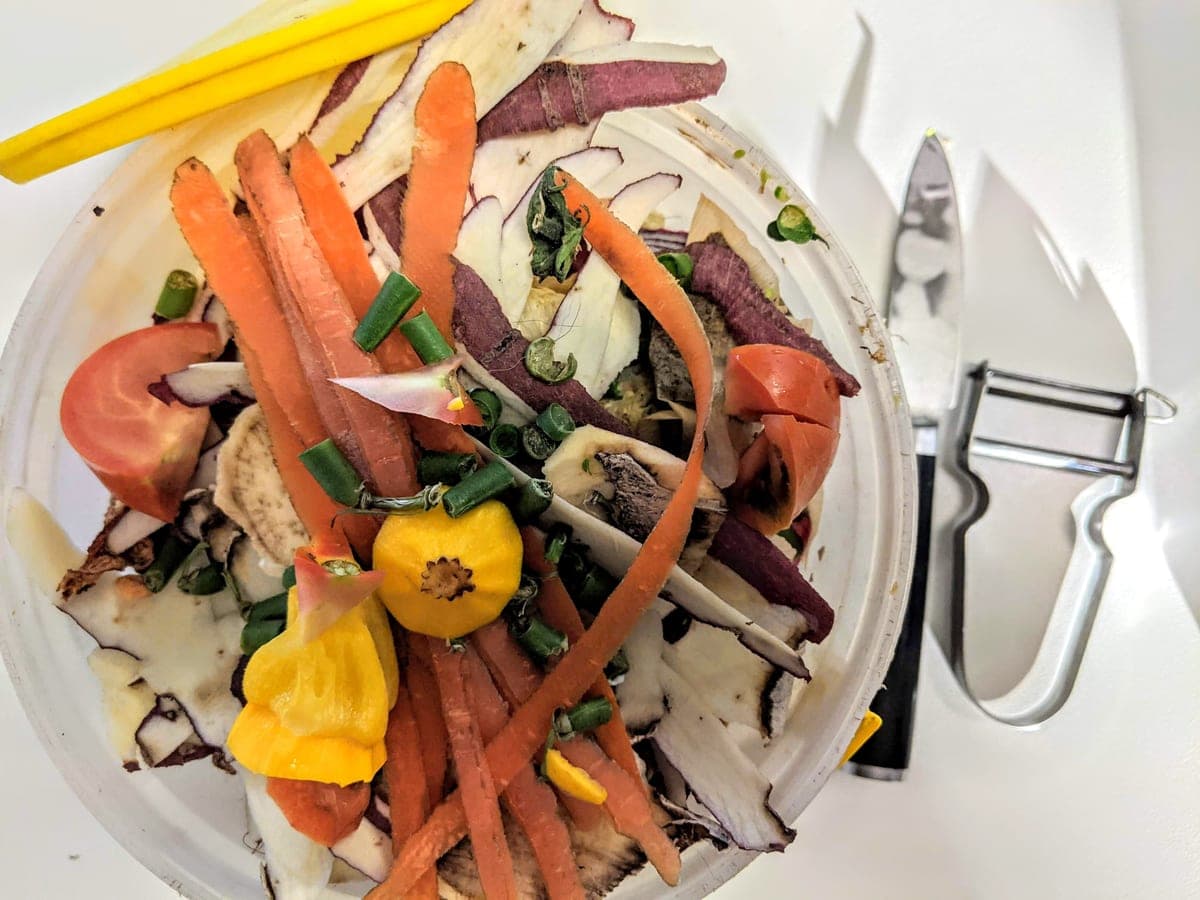
- Fruit fly trap baitCider vinegar, wine, overripe fruit — what pulls fruit flies in, and the soap trick that makes it a trap.
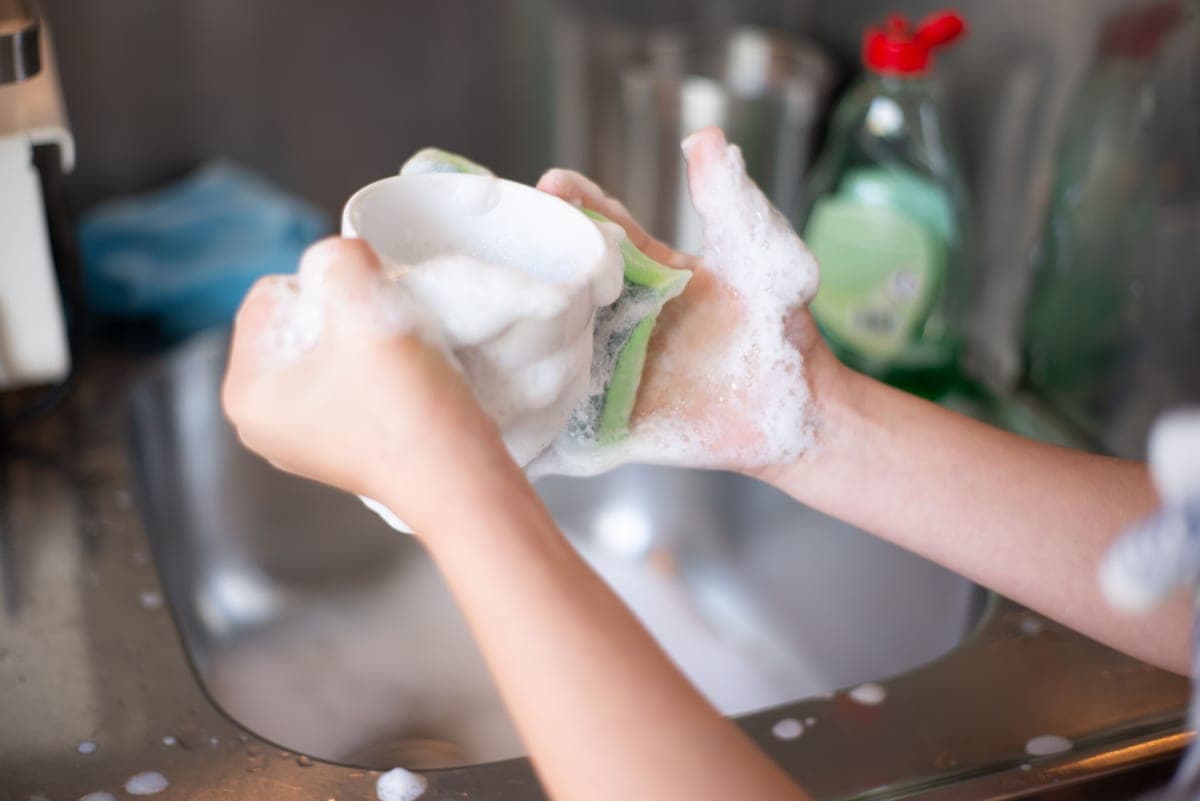
- Gnats vs fruit flies vs drain fliesBehavior, not anatomy: the one-minute test that tells you which tiny fly you have.
- DIY vs store-bought fruit fly trapsCider vinegar and dish soap versus a commercial lure — what each is actually better at.
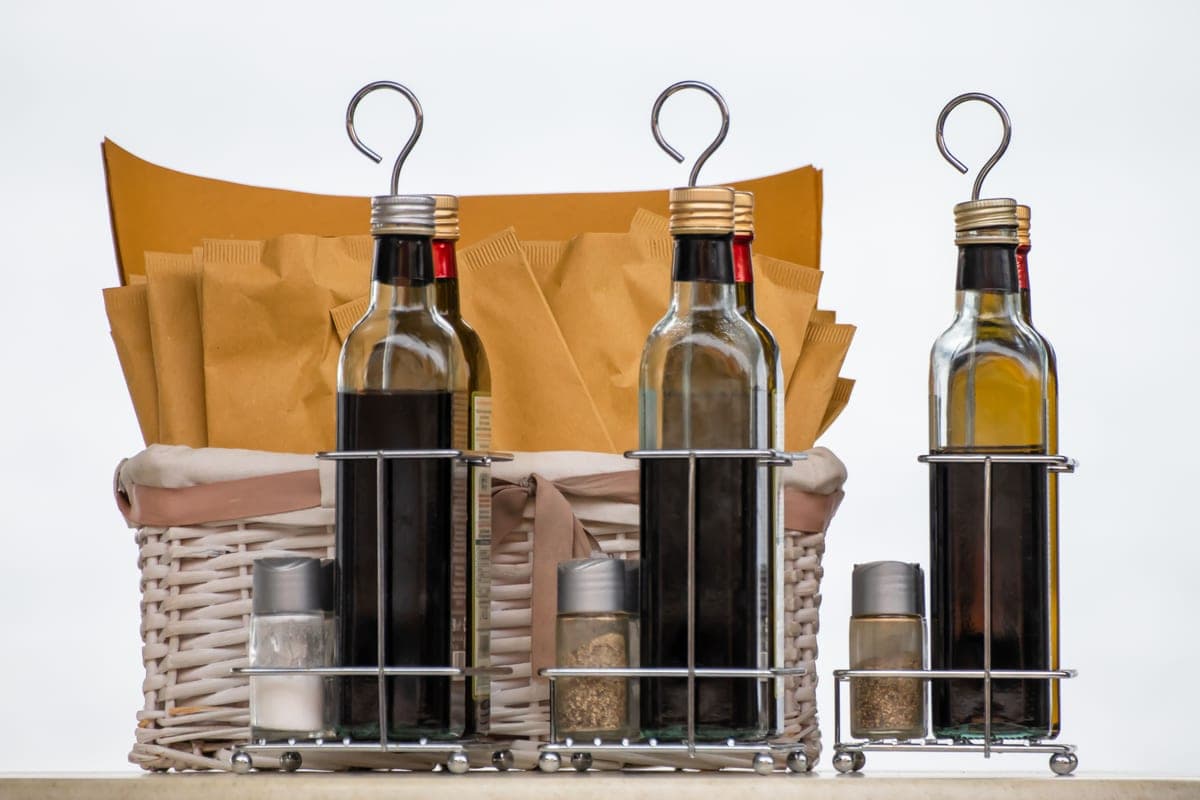
- Drain flies in the sinkWhy pouring anything down the drain fails, the brush method that works, and how to find the right drain.