Fruit fly trap bait
Two ingredients and one piece of physics. The physics is the part people leave out, and it is why half of all homemade traps sit there with flies walking around on top.
By Ryder M.Published Updated
Swat & Snap earns a commission from qualifying purchases made through the links on this page, at no extra cost to you. It does not change which products we pick — see how we pick and our affiliate disclosure.
Why fermentation is the signal
A female fruit fly is looking for somewhere to lay eggs, and what she is tracking is the chemistry of fruit that has started to break down — acetic acid and the ethanol and esters that come with yeast activity.
That is why vinegar works and why fresh fruit is a weaker draw than fruit that is going over. It is also why nothing sold as a "fruit fly repellent" does anything: the flies are not repelled by smells, they are recruited by one.
The baseline recipe
Apple cider vinegar plus one drop of dish soap, in a shallow bowl.
- Cider vinegar carries the fermentation profile. White vinegar is a much weaker lure — it has the acetic acid without the fruit-derived compounds.
- One drop of soap — not a squirt. Enough to break the surface tension so a landing fly goes under.
Put it within about a foot of where the flies are worst. This is a short-range lure; a bowl across the kitchen catches very little.
Why the soap is not optional
Water and vinegar have high surface tension, which is strong enough to hold a two-milligram fly on top of it. Without soap, a fly lands, drinks, and leaves. You have built a watering hole.
A single drop of detergent drops the surface tension far enough that the fly breaks through immediately.
If your homemade trap has flies hovering over it and none in it, this is the reason, ninety percent of the time.
Quick picks
| # | Product | Best for | Mechanism | Price |
|---|---|---|---|---|
| 1 |  Our pickTerro Fruit Fly Trap (T2500)An apple-shaped lure trap that works because the liquid inside is a real fermentation attractant, not because of the shape. | Kitchen counters | Liquid food-based lure | |
| 2 |  Aunt Fannie's FlyPunch Fruit Fly TrapA jar of food-grade lure you open and leave out. Less tidy than a sealed trap, and the fastest thing here to deploy. | Open-lid simplicity | Food-grade liquid lure, open jar | |
| 3 |  Zevo Flying Insect TrapA plug-in that pairs blue and UV light with a sticky cartridge. It runs quietly in the background, which is exactly what people want from a fly problem. | Rooms you want handled passively | Blue + UV light, sticky cartridge |
#ad — every price link goes to Amazon and Swat & Snap earns a commission on qualifying purchases. No price is shown until it can be pulled live from the retailer.
Terro Fruit Fly Trap (T2500)
Terro · Kitchen counters
An apple-shaped lure trap that works because the liquid inside is a real fermentation attractant, not because of the shape.
- The lure outperforms homemade vinegar in a side-by-side on the same counter
- Sealed, so there is no open dish of vinegar to knock over
- Catches flies; does nothing about the drain or bin that is breeding them
- Thirty days and it is done — no refill
Check price on Amazon
Aunt Fannie's FlyPunch Fruit Fly Trap
Aunt Fannie's · Open-lid simplicity
A jar of food-grade lure you open and leave out. Less tidy than a sealed trap, and the fastest thing here to deploy.
- Ingredients are food-grade, which matters on a counter where you prep
- Peel the lid, done — no assembly
- Open jar spills if it is knocked
- Again, catches adults without touching the breeding site
Check price on Amazon
Zevo Flying Insect Trap
Zevo · Rooms you want handled passively
A plug-in that pairs blue and UV light with a sticky cartridge. It runs quietly in the background, which is exactly what people want from a fly problem.
- No zapping noise and no insect debris — it is a sticky pad behind a light
- Catches gnats and small flies that a vinegar trap ignores
- Cartridges are an ongoing cost that outruns the unit price fast
- Needs a dark room to compete with daylight
Check price on Amazon
Baits ranked
| Bait | How well it works | Notes |
|---|---|---|
| Apple cider vinegar + soap | Very good | The default, and cheap |
| Red wine (leftover, going over) | Very good | Often beats vinegar; still needs the soap |
| Beer, flat | Good | Yeast plus sugar; add soap |
| Overripe banana in a jar | Very good | Slice it, add a paper funnel; no soap needed |
| Balsamic vinegar | Good | Works, but you are using good vinegar on flies |
| Commercial lure | Very good | More per trap, sealed, spill-proof |
| White vinegar | Weak | Missing the fruit-derived compounds |
| Sugar water | Weak | Sugar without fermentation is not the signal |
| Fresh fruit | Weak | Not yet fermenting |
| Essential oils | None | No mechanism |
Variations that add something
The funnel. Roll a cone of paper, put it in the neck of a jar with the narrow end down, and tape it. Flies get in and struggle to find the way back out. Useful when you want the bait fully contained — on a counter where the bowl might be knocked, or where a pet is curious.
The plastic wrap and pinholes. Same idea, less effective in practice than the funnel, and it still needs soap in the liquid.
Warming it slightly. A bowl in a warm spot releases more scent than one in a cold corner. Marginal, and free.
Two small traps rather than one big one. Coverage beats volume in a kitchen with two problem areas — one by the bin, one by the fruit bowl.
What is worth buying instead
A commercial lure catches somewhat more per trap and cannot be spilled, which matters on a counter where people cook. Whether that is worth the money is a real question, and we go through it properly on DIY vs store-bought fruit fly traps rather than assuming the paid option wins.
Refreshing
- Every two or three days. The scent fades, the soap disperses, and an old bowl stops catching while looking fine.
- Sooner in a warm kitchen, where evaporation is faster.
- Rinse the bowl properly between refills, because a film of dead flies is not adding anything.
When the bait is not the problem
If a properly made trap with soap in it, placed a foot from the source, catches nothing over a day, you probably have a different insect:
- Fungus gnats, off plant soil, barely respond to fermentation. Sticky stakes and dry soil instead — here.
- Drain flies, sitting still on the wall, do not respond at all. Scrub the drain — here.
Gnats vs fruit flies vs drain flies tells you which in a minute.
And regardless of bait: the trap only handles adults. The drain, the bin or the bag of potatoes producing them still has to go. How to get rid of fruit flies.
Frequently asked
What is the best bait for a fruit fly trap?
Why do I need dish soap in a fruit fly trap?
Does white vinegar work for fruit flies?
How often should I change the bait?
More on fruit flies & gnats
Tiny flies in the kitchen are almost never one problem. Identify which of the three you have, then treat the source — the trap alone never finishes it.
Not sure yet? Read how we pick.
Ryder M.
Ryder M. is the hands-on owner behind Magoo Media Group. He writes Swat & Snap because he got tired of pest-control advice that was either a sales pitch or a scare story.
Related on Swat & Snap
- DIY vs store-bought fruit fly trapsCider vinegar and dish soap versus a commercial lure — what each is actually better at.
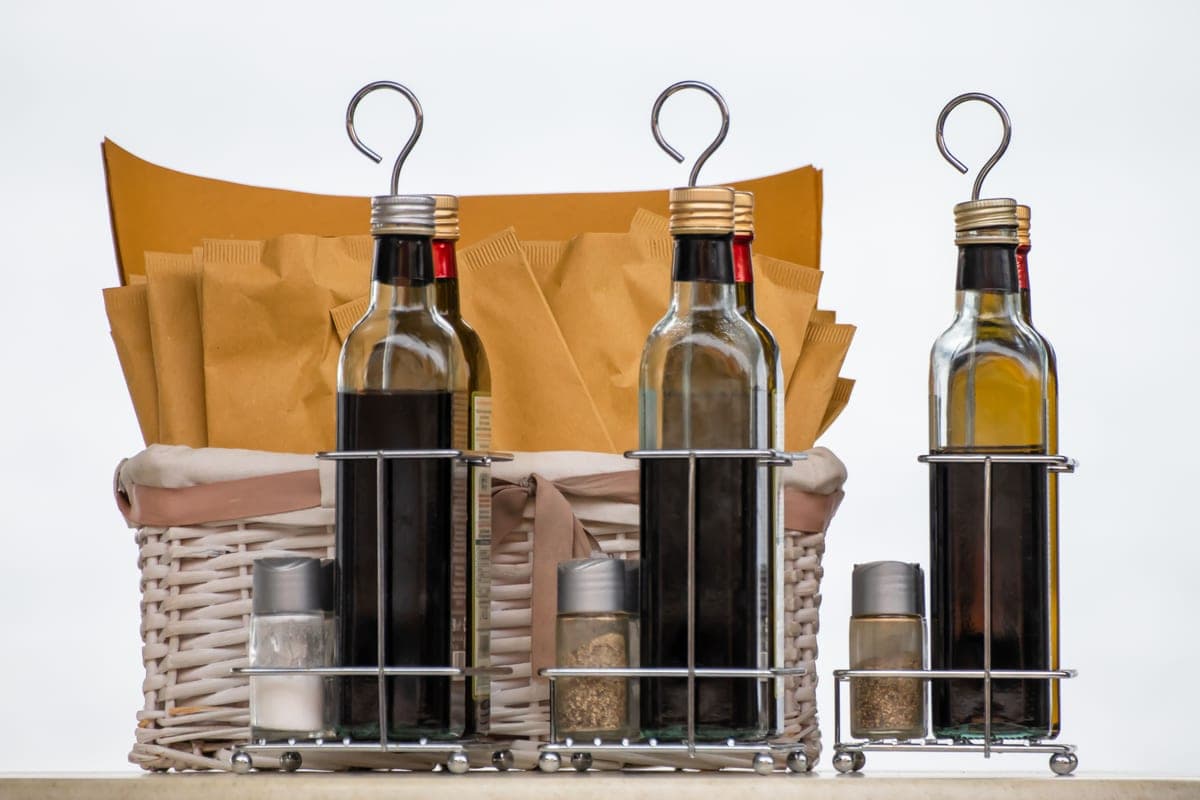
- The best fruit fly trapsLure traps, plug-in lights and sticky stakes, matched to where the flies actually are.

- How to get rid of fruit fliesSource first, trap second. The full 48-hour sequence and the hiding places people always miss.
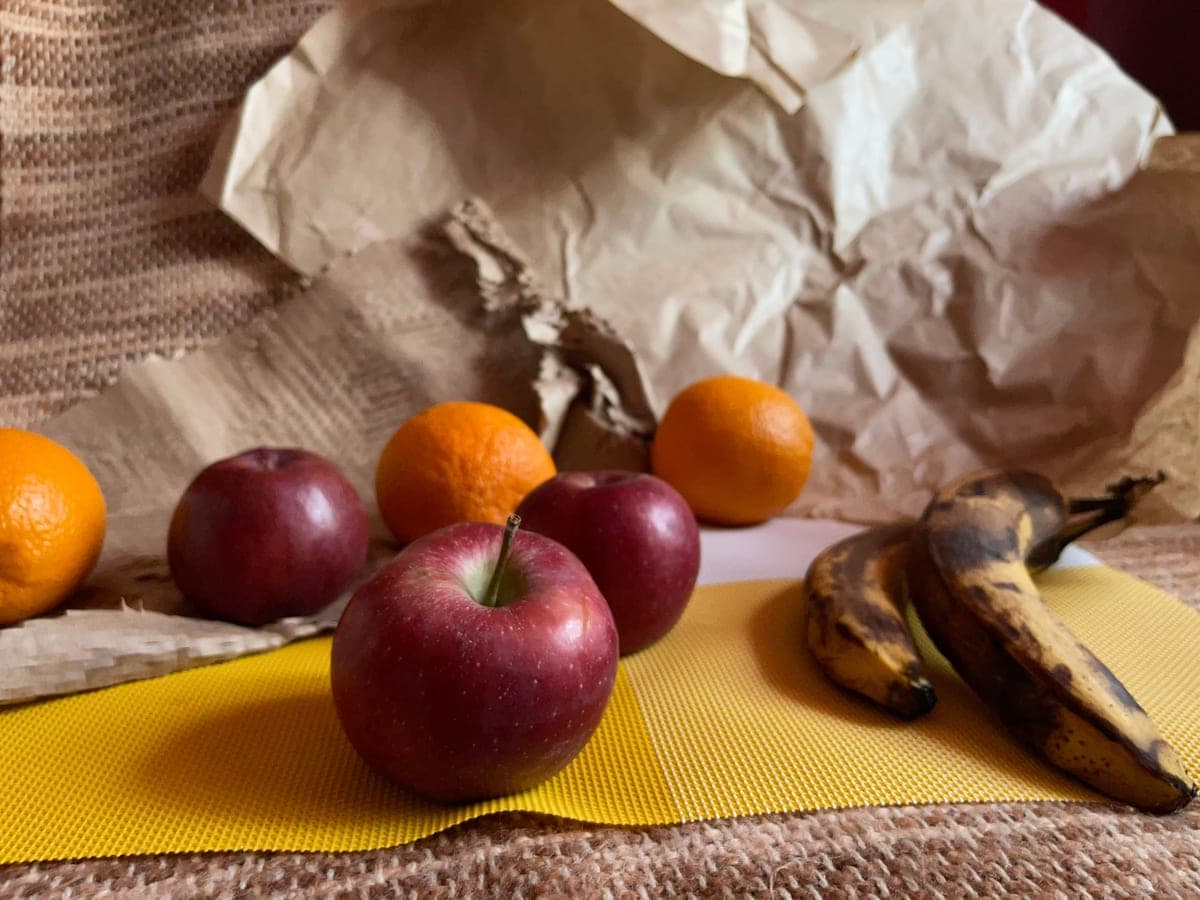
- What attracts fruit fliesThe full checklist of breeding sites, ranked by how often each one turns out to be the answer.
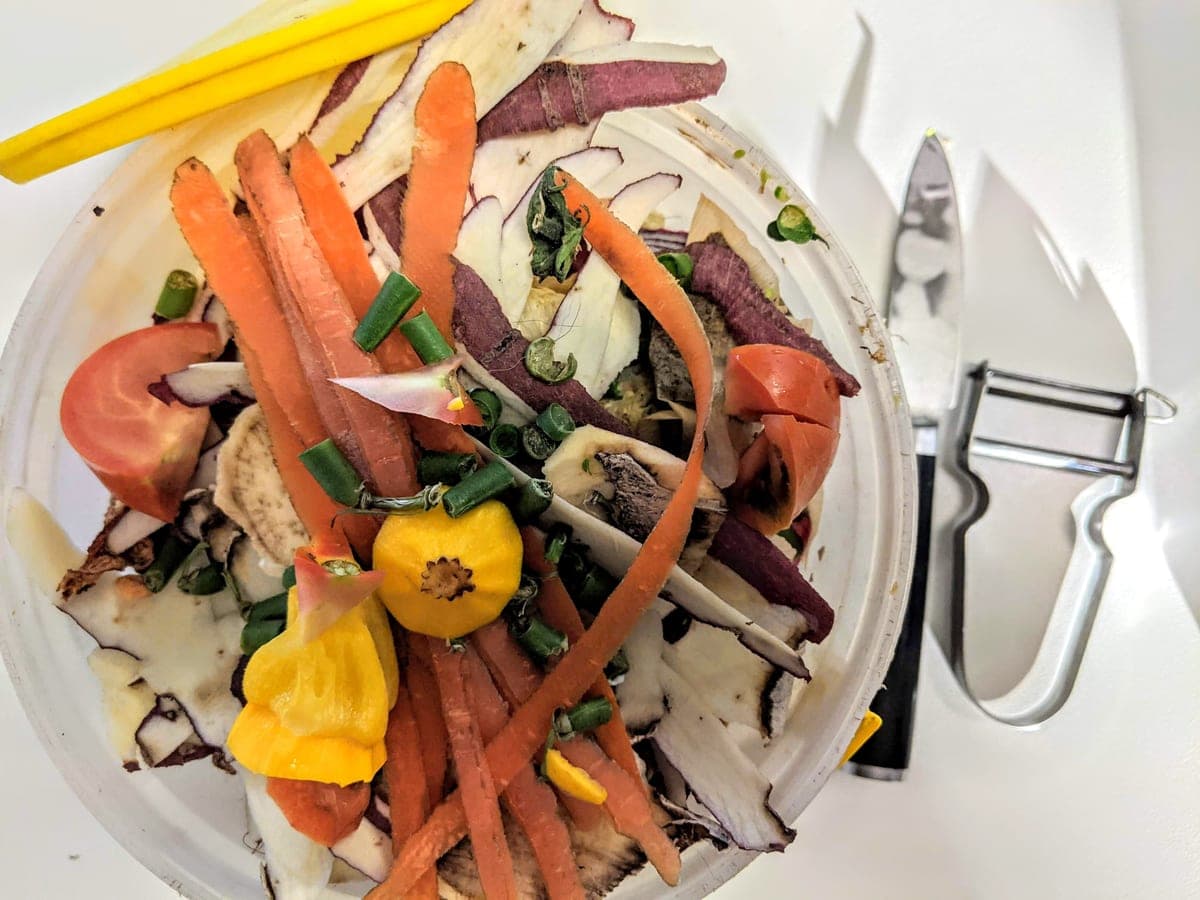
- Gnats vs fruit flies vs drain fliesBehavior, not anatomy: the one-minute test that tells you which tiny fly you have.