How to get rid of mosquitoes in your yard
The mosquitoes biting you were probably born within a hundred meters of where you are standing. That is the whole reason this is winnable.
By Ryder M.Published Updated
Swat & Snap earns a commission from qualifying purchases made through the links on this page, at no extra cost to you. It does not change which products we pick — see how we pick and our affiliate disclosure.
Why this is a yard problem, not a product problem
Most mosquito species that bite people in a suburban yard do not travel far — commonly a few hundred meters at most, and the container-breeding species that dominate around houses often much less than that.
So the mosquitoes biting you are, in the main, your own mosquitoes. They hatched in water on your property or your immediate neighbors'.
That is good news, because it means the supply is local and you can interrupt it. It also means the most effective intervention is free and involves tipping things over.
Step 1 — the water audit, which beats everything else
Walk the yard the morning after rain and look for any container holding water. A mosquito needs remarkably little — a bottle cap of water is enough for some species.
The checklist, including the ones people miss:
- Plant saucers and pot trays. The single most common source in a garden.
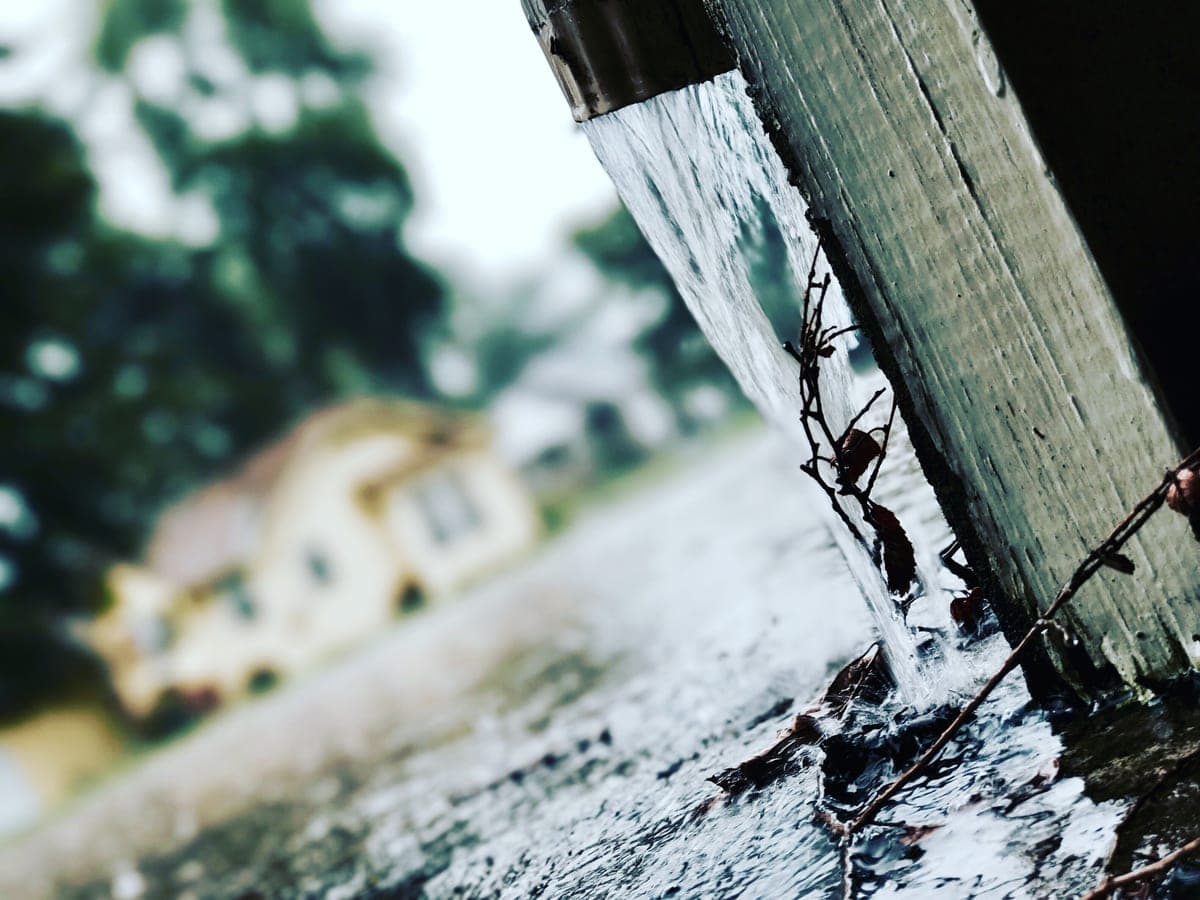
- Blocked gutters. A gutter holding water is a linear breeding pond you cannot see from the ground. This is the most-missed item on the list.
- Downspout extensions, especially corrugated ones, which hold water by design.
- Tarps, covers and anything with a fold — a boat cover, a grill cover, a pile of sheeting.
- Bird baths. Change the water twice a week; that alone breaks the cycle.
- Buckets, watering cans, wheelbarrows, children's toys, sandpit covers.
- Tires, including a spare left outdoors.
- Corrugated roofing panels stacked flat.
- Tree holes and hollow fence posts.
- Rain barrels. Screen the top with fine mesh.
- Ornamental ponds without fish, and pond margins with dense planting.
- Pet water bowls left out — refresh daily.
- A clogged French drain or a low spot that holds water more than a few days.
- A neglected swimming pool or hot tub, which is a mosquito factory at scale.
Tip out everything you can. Store what you can upside down. Repeat the walk after every heavy rain, because the yard changes.
Step 2 — BTI on the water you cannot remove
For a rain barrel, a pond margin, a bog area, a ditch or a low spot that keeps refilling, use a BTI larvicide.
BTI is a bacterium lethal to mosquito larvae and harmless to fish, birds, pets, people and beneficial insects. Dunks release slowly over about thirty days and suit stable water; granules release fast and suit shallow or irregular water. Mosquito dunks vs bits covers the choice.
This is the highest value-per-dollar purchase on this hub, and the one most people skip in favor of a device.
Step 3 — the gutters and the drainage
Worth its own step because it is missed so consistently.
- Clear the gutters in spring and again in fall.
- Check that downspouts actually drain away rather than into a puddle against the wall.
- Fix the low spot in the lawn that holds water for a week after rain, or at least treat it with BTI.
- Trim back dense ground cover against the house. Adults rest in cool, shaded, humid vegetation during the day, and thinning it reduces their daytime harborage.
Quick picks
| # | Product | Best for | Mechanism | Price |
|---|---|---|---|---|
| 1 |  Our pickSummit Mosquito DunksBTI, a bacterium that kills mosquito larvae and nothing else you care about. This is the product that actually reduces the mosquitoes in your yard. | Standing water you cannot drain | Bacillus thuringiensis israelensis | |
| 2 | 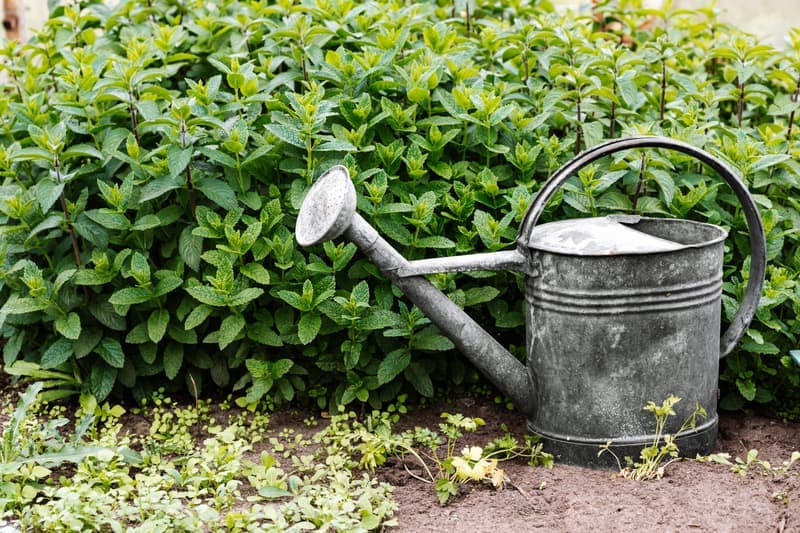 Summit Mosquito BitsThe same BTI in granules. Releases faster than a dunk and doubles as the correct treatment for fungus gnats in houseplant soil. | Fast knockdown and fungus gnats | BTI granules | |
| 3 |  Thermacell E55 Rechargeable Mosquito RepellerHeats a metofluthrin cartridge into a zone of repellent air. It is the only thing here that changes your evening within fifteen minutes. | A seat on the patio, tonight | Heated metofluthrin cartridge | |
| 4 |  Wondercide EcoTreat Outdoor Pest ControlCedarwood oil concentrate on a hose-end. Shorter residual than a synthetic yard spray, and the reason to choose it is that the dog is back on the lawn once it dries. | Yards with dogs on the grass | Cedarwood oil | |
| 5 |  DynaTrap DT1775 Insect TrapUV light plus a titanium-dioxide CO2 surface and a fan. It is a trap, not a zapper, and that distinction is the whole reason it belongs on a mosquito page. | Yard-scale mosquito reduction | UV + TiO2 CO2 lure + suction fan |
#ad — every price link goes to Amazon and Swat & Snap earns a commission on qualifying purchases. No price is shown until it can be pulled live from the retailer.
Summit Mosquito Dunks
Summit · Standing water you cannot drain
BTI, a bacterium that kills mosquito larvae and nothing else you care about. This is the product that actually reduces the mosquitoes in your yard.
- Attacks the larvae, which is the only intervention that lowers the population
- Safe in a pond with fish and in water a dog drinks from
- Does nothing to the adult mosquitoes biting you tonight
- Useless unless you find every container holding water
Check price on Amazon
Summit Mosquito Bits
Summit · Fast knockdown and fungus gnats
The same BTI in granules. Releases faster than a dunk and doubles as the correct treatment for fungus gnats in houseplant soil.
- Scatterable, so it treats a bog or a tray a dunk cannot sit in
- The one product that solves both a yard problem and a houseplant problem
- Shorter residual than a dunk — reapply more often
- Granules wash away in heavy rain
Check price on Amazon
Thermacell E55 Rechargeable Mosquito Repeller
Thermacell · A seat on the patio, tonight
Heats a metofluthrin cartridge into a zone of repellent air. It is the only thing here that changes your evening within fifteen minutes.
- Works on the timescale people actually want — minutes, not weeks
- No spray on skin, no smoke, no citronella smell
- The zone collapses in a breeze — it needs still air
- Cartridges are a recurring cost, and the unit is useless without one
Check price on Amazon
Wondercide EcoTreat Outdoor Pest Control
Wondercide · Yards with dogs on the grass
Cedarwood oil concentrate on a hose-end. Shorter residual than a synthetic yard spray, and the reason to choose it is that the dog is back on the lawn once it dries.
- The pick for a yard a dog lives on, because re-entry is simply when dry
- Hose-end applicator means no mixing
- Shorter residual than a pyrethroid, so it costs more over a season
- Botanical oils are not registered for efficacy the way EPA actives are
Check price on Amazon
DynaTrap DT1775 Insect Trap
DynaTrap · Yard-scale mosquito reduction
UV light plus a titanium-dioxide CO2 surface and a fan. It is a trap, not a zapper, and that distinction is the whole reason it belongs on a mosquito page.
- Lures with warmth and CO2, which is what mosquitoes actually track
- Silent apart from the fan — no snapping, no smell
- Takes weeks to dent a population, not one evening
- Runs continuously, so it is an ongoing power draw
Check price on Amazon
Step 4 — protect the space you actually use
Steps 1-3 lower the population. They do not clear an evening, and there is no honest way to make them.
For the seating area:
- A repellent zone. Fifteen minutes to establish, obvious effect in still air, and the fastest-acting option in the category. The picks.
- A fan. Free if you own one, and genuinely effective — mosquitoes are weak fliers and moving air measurably reduces landings.
- A skin repellent from the CDC's registered list: DEET, picaridin, IR3535, oil of lemon eucalyptus, PMD or 2-undecanone. Kid-safe options.
- Timing. The common backyard biters are most active at dawn and dusk. Moving dinner an hour later does more than most purchases.
Step 5 — optional, in order of how often they are worth it
A yard spray, if pressure is still high. Applied to the underside of foliage and shaded ground cover where adults rest. A pyrethroid gives weeks of residual and is lethal to bees and fish; a cedarwood-oil product has a shorter residual and a re-entry interval of "once dry". Pet-safe yard sprays covers the trade, and the label is legally binding in either case.
A trap, if pressure is severe and continuous. It works over four to six weeks by removing females before they lay. The picks.
Not a bug zapper. It kills a great many insects and almost none of them are mosquitoes. The verdict.
A realistic seasonal timeline
- Early spring: clear gutters, audit the yard, start BTI before the season begins. This is the highest-leverage moment of the whole year.
- Late spring: repeat the water audit after each heavy rain. Set up the repellent zone.
- Summer: maintain BTI on schedule, keep tipping containers, use the repellent zone in the evenings.
- After every heavy rain: re-walk the yard. New containers fill; old ones refill.
- Fall: store containers upside down, clear the gutters again.
When it is not your yard
If you have done all of this and pressure is still severe, the source is off-property — a ditch, a neighbor's pond, woodland, a construction site. You cannot treat the county.
In that situation, protect the space you use (repellent zone, fan, skin repellent) rather than trying to reduce the population, and consider contacting your local mosquito control district if one exists. Many do, they respond to reports of standing water on public land, and most people do not know they are there.
A word on disease
West Nile virus and other mosquito-borne diseases are real and are worth taking seriously, which is why the CDC guidance is linked below. They are also not a reason to panic-buy a device: the recommended personal protection is a registered skin repellent, long sleeves at dawn and dusk, and intact window screens. The population work in this guide supports that rather than replacing it.
Frequently asked
What is the most effective way to get rid of mosquitoes in a yard?
How long does it take to reduce mosquitoes in a yard?
Do I need to spray my yard for mosquitoes?
Why do I have so many mosquitoes even though I have no pond?
When are mosquitoes most active?
More on mosquitoes
Most of the money spent on mosquito control goes to products that kill insects other than mosquitoes. This hub separates the two.
Not sure yet? Read how we pick.
Ryder M.
Ryder M. is the hands-on owner behind Magoo Media Group. He writes Swat & Snap because he got tired of pest-control advice that was either a sales pitch or a scare story.
Related on Swat & Snap
- Mosquito dunks vs bitsSlow-release dunks or fast-release granules — which BTI format suits which water.

- The best mosquito trapsCO2 and lure traps that target what mosquitoes actually follow, and an honest timeline for results.

- The best yard mosquito repellentsRepellent zones and yard sprays that make a patio usable tonight — and what each trades away.

- Natural mosquito controlWhat works without synthetics — BTI, water removal, OLE — and the popular methods that do not.

- Do bug zappers work?The UF/IFAS finding, why the mechanism is wrong for mosquitoes, and what zappers are genuinely good at.

- Pet-safe mosquito yard spraysCedarwood versus pyrethroid: residual length against re-entry time, for a yard a dog lives on.