Best fruit fly traps for restaurants and bars
A commercial kitchen is a fruit fly factory with a health inspector attached. The trap matters less than where it goes and what you did about the drains, but the trap still has to be the right one.
By Ryder M.Published Updated
Swat & Snap earns a commission from qualifying purchases made through the links on this page, at no extra cost to you. It does not change which products we pick — see how we pick and our affiliate disclosure.
Why a restaurant is a harder problem than a kitchen
A home fruit fly problem has one source and lasts a week. A commercial one has six sources, runs all season, and the stakes include a health inspection.
The difference is volume of fermentable residue. A restaurant moves crates of produce through a back door, pours sugar-based liquids all shift, and sends every bit of the resulting film down a floor drain that never fully dries. Drosophila only needs a damp film of fermenting organic matter to complete its cycle, and in a commercial kitchen there are dozens of square feet of exactly that. Egg to adult can run about a week in warm conditions, so a source you miss on Monday is producing new adults by the weekend.
That is also why staff-level frustration is so high. People put out traps, catch hundreds of flies, and still have hundreds of flies. Catching adults does not reduce a population that is replacing itself faster than you are trapping it. The trap is the visible half of the job. The drains are the half that decides the outcome.
The six places they are actually breeding
Walk these in order before you buy anything. If you fix three of them the trap count stops mattering.
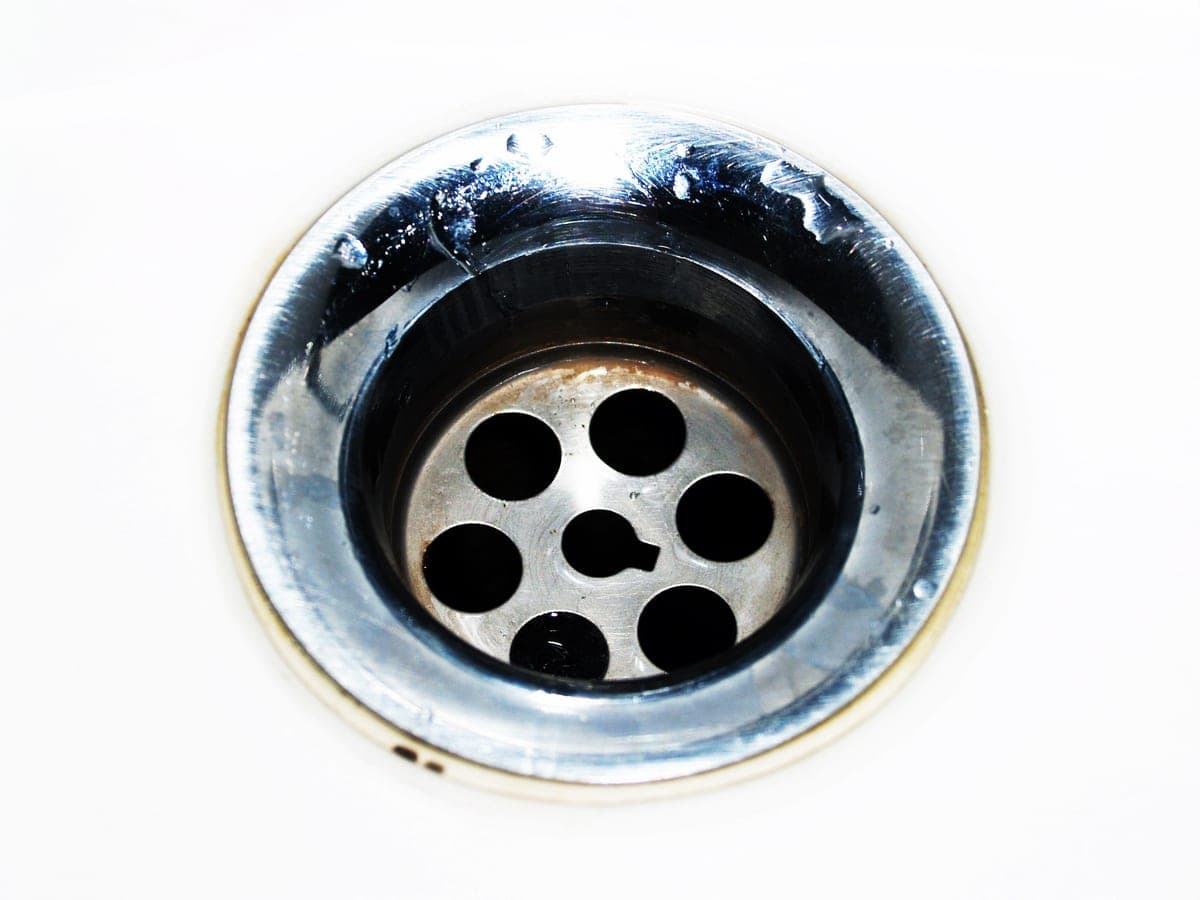
Floor drains. The single most common commercial source. The biofilm on the inside wall of the drain, above the water line, is a breeding substrate. Pouring bleach down it does almost nothing because it runs straight through. You need a stiff drain brush and, ideally, a bacterial or enzymatic drain treatment that digests the film over repeat applications. Our page on drain flies in the sink covers the brush-and-treat method, and it applies to fruit flies just as well.
Bar mats, drip trays and soda gun holsters. A rubber bar mat that gets rinsed but not scrubbed holds sugar residue underneath. Soda gun holsters are notorious: a sealed plastic cup full of syrup drippings at room temperature is a near-perfect larval habitat. Pull them and wash them nightly.
Mop sinks, mop heads and the mop bucket. A mop head left damp in a corner ferments. So does the standing water in the bottom of the bucket.
Under and behind equipment. The gap under a reach-in, the channel behind the dish machine, the condensate tray on refrigeration. Anywhere a spill can go and not be seen.
Produce storage and the back dock. Incoming crates frequently arrive with adults and eggs already on the fruit. A single forgotten case of tomatoes in a warm corner will reseed a kitchen you just cleaned. Our page on what attracts fruit flies explains why fermentation, not freshness, is the lure.
Recycling and glass bins. Empty bottles with a residue of beer or wine are a dedicated breeding station. They need rinsing before they go in the bin, and the bin needs washing.
What to look for in a commercial-setting trap
Sealed, not open. An open jar of vinegar on a prep bench is a food-safety conversation you do not want to have with an inspector, and it spills. A sealed trap with a liquid lure inside a closed body solves both.
Silent. A zapper's discharge is audible across a quiet dining room and the debris is visible. Front of house wants light-and-glue, not light-and-grid.
No visible catch. A glue card hides what it has caught; a zapper tray displays it. Guests notice.
No cord where there cannot be one. Lure traps need no power, which is why they win on a bench, a shelf above a station, or a bar back.
Serviceable on a schedule staff will keep. A trap that needs a weekly card change will get changed; a trap that needs a daily rinse will not. Match the maintenance interval to the reality of a closing shift.
Right size for the room. A USB desktop trap is a station-level device. A dish pit or a back dock with a loading door that stands open needs a mains unit with real UV output and a tray you can empty.
Nothing that sprays near food. No aerosols, foggers or residual sprays over prep surfaces. That is a hard line in a food business, and it is why this page is a trap page.
Quick picks
| # | Product | Best for | Mechanism | Price |
|---|---|---|---|---|
| 1 |  Our pickTerro Fruit Fly Trap (T2500)An apple-shaped lure trap that works because the liquid inside is a real fermentation attractant, not because of the shape. | Kitchen counters | Liquid food-based lure | |
| 2 |  RESCUE! FlyWeb Indoor Fly LightA plug-in UV light over a glue card. No zap, no smell, and it works on house flies that ignore a fruit fly lure. | Quiet indoor fly control | UV light + glue card | |
| 3 |  Aspectek Indoor Bug ZapperA wall-mount indoor zapper with a removable tray. Suited to a garage or workshop, not to a room you sit in. | Garages and utility rooms | UV tubes + electrified grid | |
| 4 |  Katchy Indoor Insect TrapUV light, a small fan and a sticky pad. The fan is what makes it work on gnats — they are weak fliers and get pulled in. | Fungus gnats around plants | UV light + suction fan + glue board |
#ad — every price link goes to Amazon and Swat & Snap earns a commission on qualifying purchases. No price is shown until it can be pulled live from the retailer.
Terro Fruit Fly Trap (T2500)
Terro · Kitchen counters
An apple-shaped lure trap that works because the liquid inside is a real fermentation attractant, not because of the shape.
- The lure outperforms homemade vinegar in a side-by-side on the same counter
- Sealed, so there is no open dish of vinegar to knock over
- Catches flies; does nothing about the drain or bin that is breeding them
- Thirty days and it is done — no refill
Check price on Amazon
RESCUE! FlyWeb Indoor Fly Light
RESCUE! · Quiet indoor fly control
A plug-in UV light over a glue card. No zap, no smell, and it works on house flies that ignore a fruit fly lure.
- Silent and debris-free, which a zapper indoors is not
- Card hides the catch, so it is not a display of dead flies
- Only pulls flies within a room, and only in low light
- Glue cards need replacing more often than the box implies
Check price on Amazon
Aspectek Indoor Bug Zapper
Aspectek · Garages and utility rooms
A wall-mount indoor zapper with a removable tray. Suited to a garage or workshop, not to a room you sit in.
- Removable tray makes the mess manageable, which most indoor zappers ignore
- Bright enough to pull flies across a big garage
- Audible snap every catch — wrong for a bedroom or living room
- Same mosquito caveat as every zapper
Check price on Amazon
Katchy Indoor Insect Trap
Katchy · Fungus gnats around plants
UV light, a small fan and a sticky pad. The fan is what makes it work on gnats — they are weak fliers and get pulled in.
- The fan catches fungus gnats that simply ignore a light-only trap
- USB power means it can sit on a plant shelf with no socket nearby
- Needs the room dark to compete with a window
- Glue boards fill quickly in a real gnat bloom
Check price on Amazon
How the four compare
Built from each product's own stated specifications.
| Terro T2500 | RESCUE! FlyWeb | Aspectek Indoor Zapper | Katchy Indoor | |
|---|---|---|---|---|
| Mechanism | Sealed liquid food lure | UV light + glue card | UV tubes + electrified grid | UV + suction fan + glue board |
| Power | None | Mains plug-in | Mains plug-in | USB |
| Noise | Silent | Silent | Audible discharge | Low fan hum |
| Catch visible | No | No — card hides it | Yes, in the tray | No — board hides it |
| Stated coverage | Point source, beside the breeding site | Within a room, low light | Up to 6,000 sq ft | Small room or single station |
| Service | Replace whole trap, about monthly | Glue cards | Empty the debris tray | Glue boards |
| Best placed | Prep bench, bar back, under a soda gun | Dining room, service corridor, host stand | Dish pit, dock, utility room | Station or small office |
The pattern to take from that table: lure traps go next to the source, light traps go where the flies travel, and zappers stay out of sight. Mixing those up is the usual mistake.
A placement plan that works in a real venue
Bar. One sealed lure trap behind the bar near the drip tray and one near the glass bin. Pull and wash the soda gun holsters and bar mats nightly. Do not put a zapper over a bar top.
Prep and line. A lure trap beside produce storage and another near the floor drain. Check the drain biofilm weekly with a brush.
Dish pit and back dock. A mains UV zapper up high, away from food contact surfaces, with the tray emptied on a schedule. This is the one room where a zapper earns its place.
Dining room and host stand. Glue-card UV lights only, mounted low and out of the sightline, away from the entrance so you are not pulling insects in from the street.
Walk-in and cold storage. Nothing is needed. Fruit flies barely function at walk-in temperatures; the problem is always in the warm rooms.
If you also have larger house flies rather than fruit flies, that is a different trap and a different lure — how to get rid of house flies and best fly traps for garage cover the bag-trap and light-trap options for bigger species, and gnats vs fruit flies vs drain flies will tell you which insect you are actually looking at.
What not to do in a food business
- No open vinegar bowls on a prep surface. Easy, cheap, and exactly the kind of thing that gets written up. Keep DIY traps for home — DIY vs store-bought fruit fly traps is the honest comparison.
- No fogging a kitchen. It kills the adults in the room and does nothing to the larvae in the drain, so you are back to the same count in a week with residue on your surfaces.
- No zapper over an exposed food surface. A zapper disperses insect fragments. That is a contamination question, not an aesthetic one.
- No propping the back door open in summer. You are inviting in everything the dock produces.
- Do not rely on a trap count as your metric. A rising catch means the population is growing, not that the trap is winning.
The short version
Back of house, buy sealed liquid lure traps and put them beside the breeding sites. Front of house, buy glue-card UV lights so there is no noise and nothing on display. In the dish pit or on the dock, a mains zapper is fine and genuinely useful. Then spend your real effort on floor drains, bar mats, soda gun holsters, mop heads and the glass bin, because a restaurant fruit fly problem is a sanitation problem wearing a trap-shaped costume.
Frequently asked
What is the best fruit fly trap for a restaurant?
Why does my restaurant still have fruit flies after putting out traps?
Can I use a bug zapper in a commercial kitchen?
How do I get fruit flies out of bar drains?
Are open vinegar traps acceptable in a food business?
How many fruit fly traps does a restaurant need?
More on fruit flies & gnats
Tiny flies in the kitchen are almost never one problem. Identify which of the three you have, then treat the source — the trap alone never finishes it.
Not sure yet? Read how we pick.
Ryder M.
Ryder M. is the hands-on owner behind Magoo Media Group. He writes Swat & Snap because he got tired of pest-control advice that was either a sales pitch or a scare story.
Related on Swat & Snap
- The best fruit fly trapsLure traps, plug-in lights and sticky stakes, matched to where the flies actually are.
- Drain flies in the sinkWhy pouring anything down the drain fails, the brush method that works, and how to find the right drain.
- What attracts fruit fliesThe full checklist of breeding sites, ranked by how often each one turns out to be the answer.
- How to get rid of house fliesWhere they breed outside, how they get in, and the traps that work on flies this size.
- The best plug-in fly trapsSilent light traps for whole-room fly control — and the running cost nobody mentions.
- Gnats vs fruit flies vs drain fliesBehavior, not anatomy: the one-minute test that tells you which tiny fly you have.