Natural mouse repellents
There is a narrow case where botanical repellents genuinely work, and a much wider case where they waste a month you could have spent trapping.
By Ryder M.Published Updated
Swat & Snap earns a commission from qualifying purchases made through the links on this page, at no extra cost to you. It does not change which products we pick — see how we pick and our affiliate disclosure.
The distinction that decides whether these work
A repellent makes a space less attractive. It does not make an occupied nest uninhabitable.
That single sentence explains most of the disappointment in this category. A mouse that has established a nest in your wall cavity, with a food source in your kitchen and litters on the way, is not going to abandon all of it because a cotton pouch in the cupboard smells of balsam fir. It will route around the smell.
The same pouch in the trunk of a car stored for the winter — a small, sealed volume with no competing scent, no established nest and no food — genuinely does keep mice from moving in.
Enclosed and unoccupied: works. Open and already infested: does not. Everything below follows from that.
Where botanical repellents genuinely earn a place
- A vehicle in storage. Engine bay, trunk, cabin. This is the best use case there is: small volumes, no competing food, and the alternative is chewed wiring.
- A cabin, a boat or an RV closed for the season. Drawers, lockers, the galley, the engine compartment.
- Drawers and boxes of stored soft goods — camping bedding, winter clothes, seasonal linens.
- A shed or a workshop cupboard that is closed most of the time.
The pattern is the same every time: small volume, closed, nobody in it, nothing to eat.
Where they do not
- An active infestation anywhere. The mice are already in and already committed.
- An open room. Air changes take the scent away within days, and mice simply use the side of the room that smells less.
- As a substitute for sealing. A repellent does not close a 6 mm gap; it perfumes it.
- Outdoors. Rain, wind and volume make it pointless.
If that is your situation, the honest answer is trapping and then sealing, and a repellent afterwards to keep a cleared space clear.
Quick picks
| # | Product | Best for | Mechanism | Price |
|---|---|---|---|---|
| 1 | 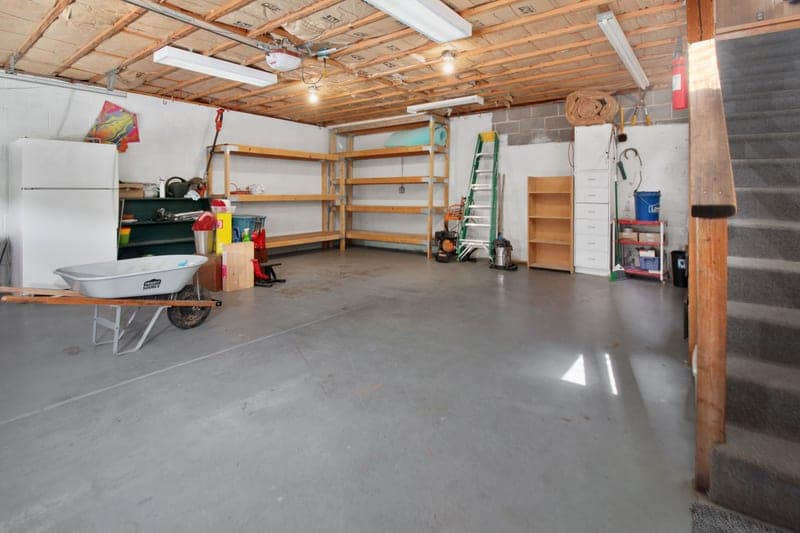 Our pickFresh Cab Botanical Rodent RepellentBalsam fir pouches, EPA minimum-risk registered. Useful for keeping mice out of a space nobody is using; not a solution for an active infestation. | Stored vehicles and cabins | Balsam fir oil | |
| 2 |  Grandpa Gus's Mouse Repellent PouchesPeppermint and cinnamon oil pouches. Same honest limits as any botanical repellent — a deterrent in a closed space, not a treatment. | Engine bays and drawers | Peppermint + cinnamon oil | |
| 3 | 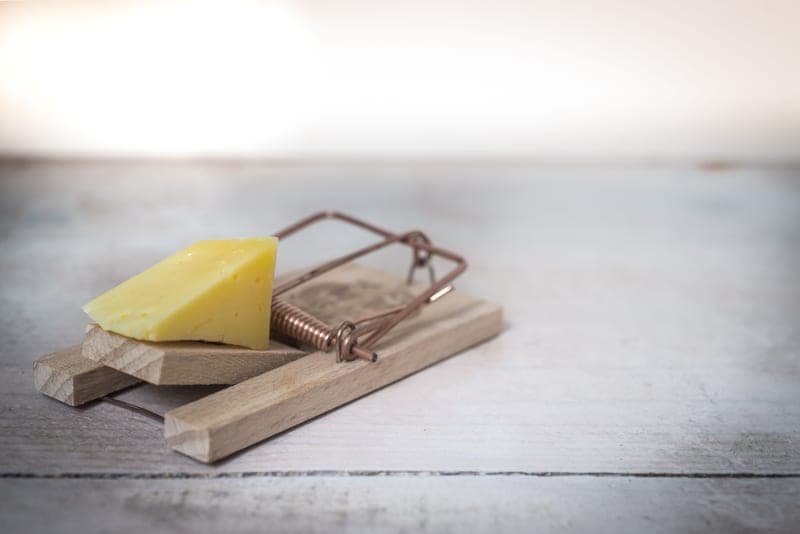 Victor Metal Pedal Mouse Trap (M150)The wooden snap trap everything else is measured against. Cheap enough to set a dozen, which is how mouse trapping actually works. | Most homes, in quantity | Spring-loaded bar, metal pedal |
#ad — every price link goes to Amazon and Swat & Snap earns a commission on qualifying purchases. No price is shown until it can be pulled live from the retailer.
Fresh Cab Botanical Rodent Repellent
Earth-Kind · Stored vehicles and cabins
Balsam fir pouches, EPA minimum-risk registered. Useful for keeping mice out of a space nobody is using; not a solution for an active infestation.
- The one repellent category with a real use case: sealed, unoccupied storage
- No mechanism to fail, nothing to reset
- A mouse already nesting in your wall will not leave because of a pouch
- Strong pine smell in a lived-in room
Check price on Amazon
Grandpa Gus's Mouse Repellent Pouches
Grandpa Gus's · Engine bays and drawers
Peppermint and cinnamon oil pouches. Same honest limits as any botanical repellent — a deterrent in a closed space, not a treatment.
- Small enough to tuck into the places mice actually enter
- No bait, no snap, nothing a pet can trip
- Open rooms dilute it to nothing
- Replaced monthly, which people forget by week three
Check price on Amazon
Victor Metal Pedal Mouse Trap (M150)
Victor · Most homes, in quantity
The wooden snap trap everything else is measured against. Cheap enough to set a dozen, which is how mouse trapping actually works.
- Costs little enough that quantity stops being a decision
- The metal pedal fires on weight, so a mouse cannot lick the bait off
- Nothing to charge, nothing to refill
- You see the result, and you have to handle it
- Exposed bar is a genuine hazard to a dog's nose or a toddler's fingers
Check price on Amazon
What is actually in them
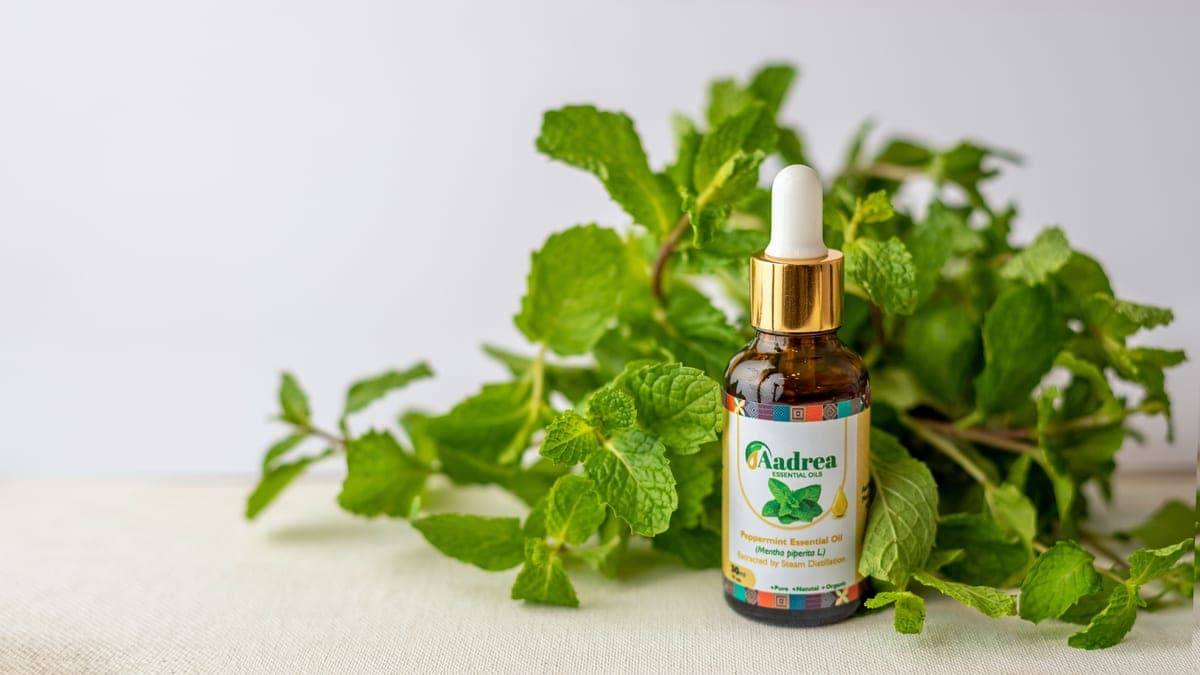
Peppermint oil is the usual active. It is a genuine irritant to a mouse's respiratory system at concentration, which is why it works in a sealed box. The concentration that achieves this is much higher than a few drops on a cotton ball produces in a room.
Balsam fir is the active in the pouches that carry EPA minimum-risk registration. That registration — a category for products made from ingredients on the EPA's 25(b) exempt list — means the product is exempt from full pesticide registration. Worth knowing precisely: it is an exemption from registration, not a proof of efficacy. It tells you the ingredients are considered low risk, not that the product works.
Cinnamon, clove and cedar appear in various blends on similar principles.
None of these is dangerous to handle, and none of them is a treatment for an infestation.
A note on cats
Several essential oils used in "natural" pest products are toxic to cats, which lack an efficient liver pathway for metabolizing them. Tea tree, pennyroyal, pine, citrus and wintergreen are the commonly cited ones, and exposure includes inhalation and grooming a residue off fur, not just ingestion.
If there is a cat in the house, check the actual active ingredient rather than the word natural on the front of the packet. Pet-safe rodent repellents goes through this properly.
The homemade versions
Cotton balls soaked in peppermint oil. Cheap, and they work briefly in an enclosed space. The problem is service life — the oil evaporates within days, and almost nobody replaces them on schedule. The commercial pouches exist because they release more slowly, which is the actual technology being sold.
Dryer sheets, mothballs, Irish Spring soap, cayenne, used cat litter. These circulate endlessly and none of them clears an infestation. Mothballs are worth calling out separately: naphthalene is a registered pesticide with label directions that do not permit use as a rodent repellent, and the vapor is a genuine health concern in a living space. Using them this way is both ineffective and a misuse of a pesticide.
Ultrasonic devices. A different category, sold on the same promise, and we treat them separately in do ultrasonic repellers work.
How to use them properly, if this is your case
- Clear first. Trap out anything already inside, and confirm five clear nights.
- Clean. Remove droppings and nesting material — following CDC guidance, dampened rather than swept dry — because rodent scent marking attracts new arrivals.
- Seal what you can. Even in a vehicle, close the obvious openings.
- Then place pouches, generously, in every enclosed sub-volume rather than one in the middle of the space.
- Replace on the label's schedule, typically monthly. An expired pouch is a piece of fabric.
Frequently asked
Does peppermint oil really repel mice?
What smells do mice hate most?
Are natural mouse repellents safe for cats?
Do mothballs keep mice away?
More on mice
One mouse is rarely one mouse. This hub covers what kills them, what only looks like it does, and where to put the thing you buy.
Not sure yet? Read how we pick.
Ryder M.
Ryder M. is the hands-on owner behind Magoo Media Group. He writes Swat & Snap because he got tired of pest-control advice that was either a sales pitch or a scare story.
Related on Swat & Snap
- Do ultrasonic repellers work on mice?The short answer is no. Why they seem to work for a fortnight, and what the testing actually found.
- The best mouse traps, by situationSix traps chosen by situation — cheap and plentiful, pet-safe by design, no-touch, or live catch.

- Pet-safe rodent repellentsThe essential oils that are toxic to cats, the ones that are not, and what a repellent can realistically achieve.

- Mice in the garageThe entry point for most household infestations — where to trap, what to seal, and protecting a stored car.

- How to get rid of miceThe full sequence: find the runs, trap in quantity, bait small, seal the gaps. Timeline and what to skip.