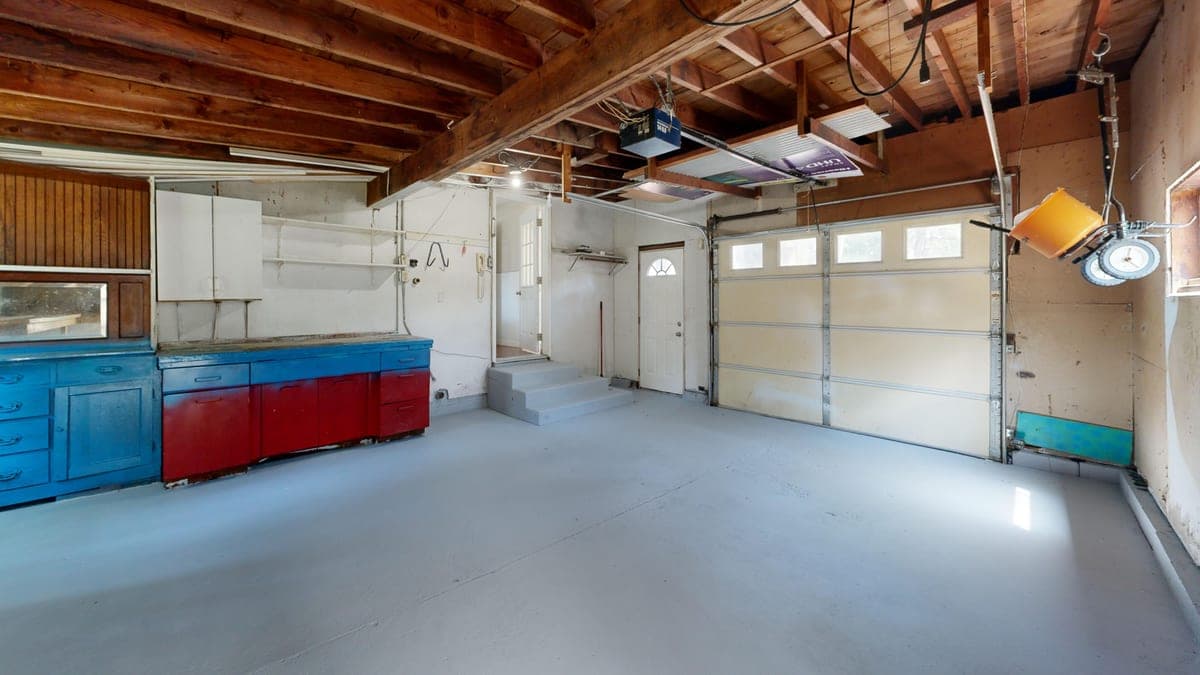
Best mouse repellents for sheds
Repellents fail in open rooms and work surprisingly well in sealed boxes. A shed is a sealed box — which is why this is one of the few pages on this site where we will genuinely recommend a pouch.
By Ryder M.Published Updated
Swat & Snap earns a commission from qualifying purchases made through the links on this page, at no extra cost to you. It does not change which products we pick — see how we pick and our affiliate disclosure.
Why repellents work in a shed and nowhere else
We are generally hard on rodent repellents, and for good reason: the category is full of products that do nothing. Peppermint oil sprayed around a kitchen, ultrasonic plug-ins, dryer sheets in the attic — the evidence for all of it ranges from thin to absent, and do ultrasonic repellers work goes through the testing in detail.
A shed is the exception, and it is worth understanding why rather than just taking the recommendation.
A repellent works by making a volume of air unpleasant enough that an animal chooses elsewhere. That requires three conditions:
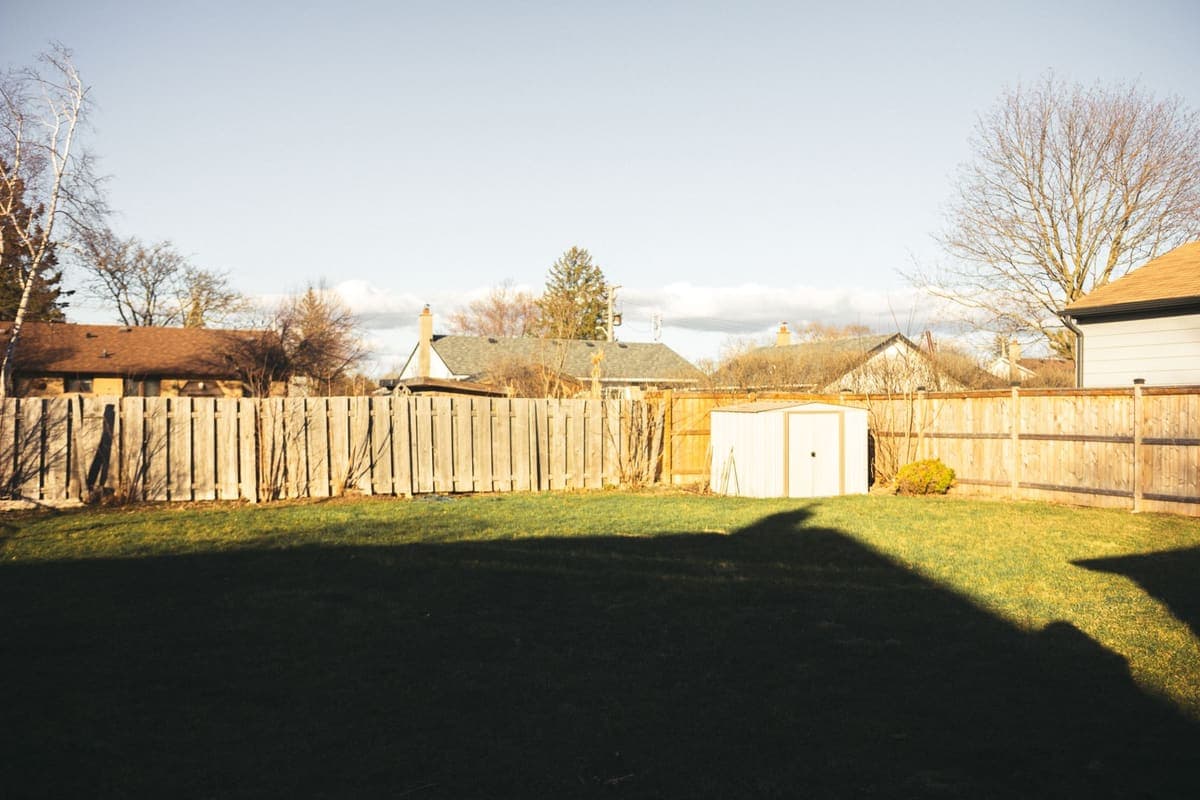
The volume has to be small and enclosed. A 10-by-8 shed with the door shut holds a concentration. A garage with the door up, or a room in a house, dilutes the same pouch to nothing within hours.
The animal has to have a choice. A mouse that has not yet nested in your shed will pick a different structure if yours smells wrong. A mouse that has already built a nest behind the paint tins is defending a home, not shopping for one, and it will tolerate a lot to stay.
Nobody has to live there. Balsam fir and peppermint at a working concentration are strong. In a bedroom that is unbearable; in a shed it is just a shed that smells of pine.
A shed hits all three. So does a stored RV, a boat under cover, a cabin closed for winter, and a toolbox. That is the actual use case for this product category, and a surprisingly large share of the pest-control internet never says so.
What to look for
EPA minimum-risk registration (FIFRA 25(b)). It is not an efficacy approval — that is the honest caveat — but it does mean the actives are on a recognized list rather than being an unregulated blend. Fresh Cab is registered under that exemption.
A stated service life, and a plan to honor it. Pouches run roughly 30 days. The single biggest reason people conclude repellents do not work is that they put pouches in during October and the shed went unvisited until March. Write the date on the pouch in marker.
Format matched to the space. Pouches saturate an enclosed volume. Sprays cover surfaces, cable runs and the underside of a mower deck. Use both: the pouch holds the room, the spray holds the machinery.
Enough units for the volume. One pouch in the corner of a 12-foot shed is decorative. Manufacturer coverage guidance is per-unit for a reason — count your cubic feet and buy accordingly, typically one per 125 square feet of enclosed space and more in a tall shed.
Nothing that depends on electricity. An ultrasonic unit in an outbuilding is the worst of both worlds: no evidence base, plus a cable run to a shed. Skip it.
An honest exit route to trapping. If there are already droppings, a repellent is the wrong product. Buy the trap as well. We would rather sell you one of each than have you buy three pouches and still have mice.
Quick picks
| # | Product | Best for | Mechanism | Price |
|---|---|---|---|---|
| 1 |  Our pickFresh Cab Botanical Rodent RepellentBalsam fir pouches, EPA minimum-risk registered. Useful for keeping mice out of a space nobody is using; not a solution for an active infestation. | Stored vehicles and cabins | Balsam fir oil | |
| 2 |  Grandpa Gus's Mouse Repellent PouchesPeppermint and cinnamon oil pouches. Same honest limits as any botanical repellent — a deterrent in a closed space, not a treatment. | Engine bays and drawers | Peppermint + cinnamon oil | |
| 3 |  Mighty Mint Rodent Repellent Vehicle SprayA peppermint-oil spray formulated for engine bays and interiors. Covers surfaces a pouch cannot, and the label is honest that it needs reapplying roughly twice a week. | Treating an engine bay quickly | Peppermint essential oil | |
| 4 |  Victor Kill Vault Mouse Trap (M267)A snap trap sealed inside a plastic vault. The kill happens out of sight and out of reach, and you never touch the mouse. | Homes with a dog or a toddler | Enclosed snap bar in a sealed chamber |
#ad — every price link goes to Amazon and Swat & Snap earns a commission on qualifying purchases. No price is shown until it can be pulled live from the retailer.
Fresh Cab Botanical Rodent Repellent
Earth-Kind · Stored vehicles and cabins
Balsam fir pouches, EPA minimum-risk registered. Useful for keeping mice out of a space nobody is using; not a solution for an active infestation.
- The one repellent category with a real use case: sealed, unoccupied storage
- No mechanism to fail, nothing to reset
- A mouse already nesting in your wall will not leave because of a pouch
- Strong pine smell in a lived-in room
Check price on Amazon
Grandpa Gus's Mouse Repellent Pouches
Grandpa Gus's · Engine bays and drawers
Peppermint and cinnamon oil pouches. Same honest limits as any botanical repellent — a deterrent in a closed space, not a treatment.
- Small enough to tuck into the places mice actually enter
- No bait, no snap, nothing a pet can trip
- Open rooms dilute it to nothing
- Replaced monthly, which people forget by week three
Check price on Amazon
Mighty Mint Rodent Repellent Vehicle Spray
Mighty Mint · Treating an engine bay quickly
A peppermint-oil spray formulated for engine bays and interiors. Covers surfaces a pouch cannot, and the label is honest that it needs reapplying roughly twice a week.
- Reaches surfaces and cable runs that a pouch sitting in a corner never touches
- Plant-based actives, so nothing corrosive going onto engine components
- Twice-weekly reapplication is the real cost, and almost nobody keeps that up
- Washes off and evaporates — on a vehicle you drive, it is gone quickly
- Botanical repellents are not registered for efficacy the way EPA actives are
Check price on Amazon
Victor Kill Vault Mouse Trap (M267)
Victor · Homes with a dog or a toddler
A snap trap sealed inside a plastic vault. The kill happens out of sight and out of reach, and you never touch the mouse.
- The enclosure is the reason to buy it: a dog cannot get to the bar
- Seals after firing, so there is no smell and nothing to see
- Sets by pressing the lid, not by arming a bar with your fingers
- Single-use, so a real infestation gets expensive
- Bulkier than a bare snap trap in a tight wall run
Check price on Amazon
How the four compare
Built from each product's own stated specifications.
| Fresh Cab | Grandpa Gus's | Mighty Mint Spray | Victor Kill Vault | |
|---|---|---|---|---|
| Type | Botanical repellent pouch | Botanical repellent pouch | Botanical repellent spray | Enclosed snap trap |
| Active | Balsam fir oil | Peppermint + cinnamon oil | Peppermint oil | None — mechanical |
| Registration | EPA minimum-risk (25b) | Botanical | Botanical | n/a |
| Service life | About 30 days per pouch | About 30 days | Reapply roughly twice weekly | Single use |
| Best place | The shed itself, closed up | Drawers, toolboxes, engine bays | Surfaces, cable runs, mower decks | Along the wall where droppings are |
| Works on mice already nesting | No | No | No | Yes |
| Pet and child risk | Low | Low | Low | Sealed — bar is out of reach |
The row that matters most is the second from the bottom. Repellents prevent. Traps resolve. Buying the wrong one for your situation is the single most common mistake in this category, and no amount of pouches will fix an occupied shed.
Before the repellent: the twenty minutes that does more
A shed is far easier to seal than a house, which makes exclusion unusually worthwhile here.
Find the gaps. A mouse gets through a hole the width of a pencil — roughly a quarter of an inch. On a shed, that means the gap under the door, the gap where the floor meets the wall panels, knotholes, the hole a cable or hose runs through, damaged corner trim and any vent without mesh.
Fix the door sweep first. The gap under a shed door is the main entrance in most cases, and a metal or rubber threshold strip closes it in ten minutes.
Mesh, not foam, for the gaps. Expanding foam alone gets chewed through. Pack holes with stainless steel wool or quarter-inch hardware cloth, then seal over it.
Get the shed off the ground if you can. A shed sitting directly on damp soil with a cavity underneath is a nest site with a roof. Gravel, blocks and clear airflow underneath make it far less attractive.
Clear the approach. Long grass, a wood pile or a compost heap against the shed wall gives cover right up to the door. Two feet of clear ground around the structure is worth more than any pouch. Mice in the yard covers the yard-side work.
Take the food out. Grass seed, bird seed, bulbs, pet food and fertilizer in paper sacks are the reason mice chose your shed over the neighbor's. Move all of it into sealed metal or hard plastic bins. This one step changes more than everything else on this page.
Where the pouches go
Order matters more than quantity:
- Two pouches at floor level, in opposite corners, where mice travel
- One at shelf height among the stored items you care about
- One inside the mower or generator engine bay, which is a separate enclosed volume and a favorite nesting site
- One in each drawer or toolbox you do not open often
- Spray the cable runs, the underside of the mower deck and the wall-floor junction, and reapply when you next visit
Then close the door and leave it closed. A shed propped open all summer is not an enclosed space, and the pouches are doing nothing.
When to stop repelling and start trapping
Switch strategy the moment you see any of these:
- Droppings — dark, rice-grain sized, concentrated along a wall or in a drawer
- Shredded nesting material — insulation, paper, seed sack, upholstery from a mower seat
- Gnawed packaging or chewed wiring on machinery
- A smell of ammonia in a closed shed, which is urine
- Anything moving when you open the door
At that point you have residents, and residents do not leave because of pine. Set enclosed snap traps along the walls, baited with a smear of peanut butter, and keep them running for a week after the last catch. How to set mouse traps and where to place mouse traps cover the technique, and best enclosed mouse traps covers the sealed designs if you would rather not see or handle the result. If the shed is a vehicle store, best rodent repellents for cars deals with engine bays specifically.
The short version
Seal the door gap, move the seed into bins, clear the grass away from the walls, then put balsam fir pouches at floor and shelf level and spray the machinery. Replace the pouches every 30 days, with a date written on them. If there are already droppings, skip all of that and set enclosed traps first — repellents are a lock on an empty shed, not an eviction notice on a full one.
Frequently asked
What is the best mouse repellent for a shed?
Do peppermint oil and pouches really keep mice out of a shed?
How often do I need to replace mouse repellent pouches?
How many repellent pouches does a shed need?
Should I use repellents or traps in a shed?
How do mice get into a shed?
More on mice
One mouse is rarely one mouse. This hub covers what kills them, what only looks like it does, and where to put the thing you buy.
Not sure yet? Read how we pick.
Ryder M.
Ryder M. is the hands-on owner behind Magoo Media Group. He writes Swat & Snap because he got tired of pest-control advice that was either a sales pitch or a scare story.
Related on Swat & Snap
- The best rodent repellents for cars and RVsPouches, sprays, capsaicin tape and under-hood devices for stored cars and RVs — with honest limits on each.

- Natural mouse repellentsThe narrow case where botanical pouches work — stored vehicles, cabins, closed drawers — and where they do not.

- Do ultrasonic repellers work on mice?The short answer is no. Why they seem to work for a fortnight, and what the testing actually found.
- Best enclosed mouse trapsCovered snap, electronic and live traps that hide the catch and keep fingers and paws off the mechanism.
- How to get rid of mice in the yardFind the burrows and runways, trap outdoors safely, and remove the cover and feed that keep mice in the yard.

- The best mouse traps for the garageTraps for the room mice actually enter through — cold-weather baiting, quantity, and the stored-car problem.