How to get rid of mice in the yard
Mice outside are not automatically a problem — but a yard that supports a population is a yard that keeps restocking your house every fall.
By Ryder M.Published Updated

Swat & Snap earns a commission from qualifying purchases made through the links on this page, at no extra cost to you. It does not change which products we pick — see how we pick and our affiliate disclosure.
Decide first whether this is a problem worth solving
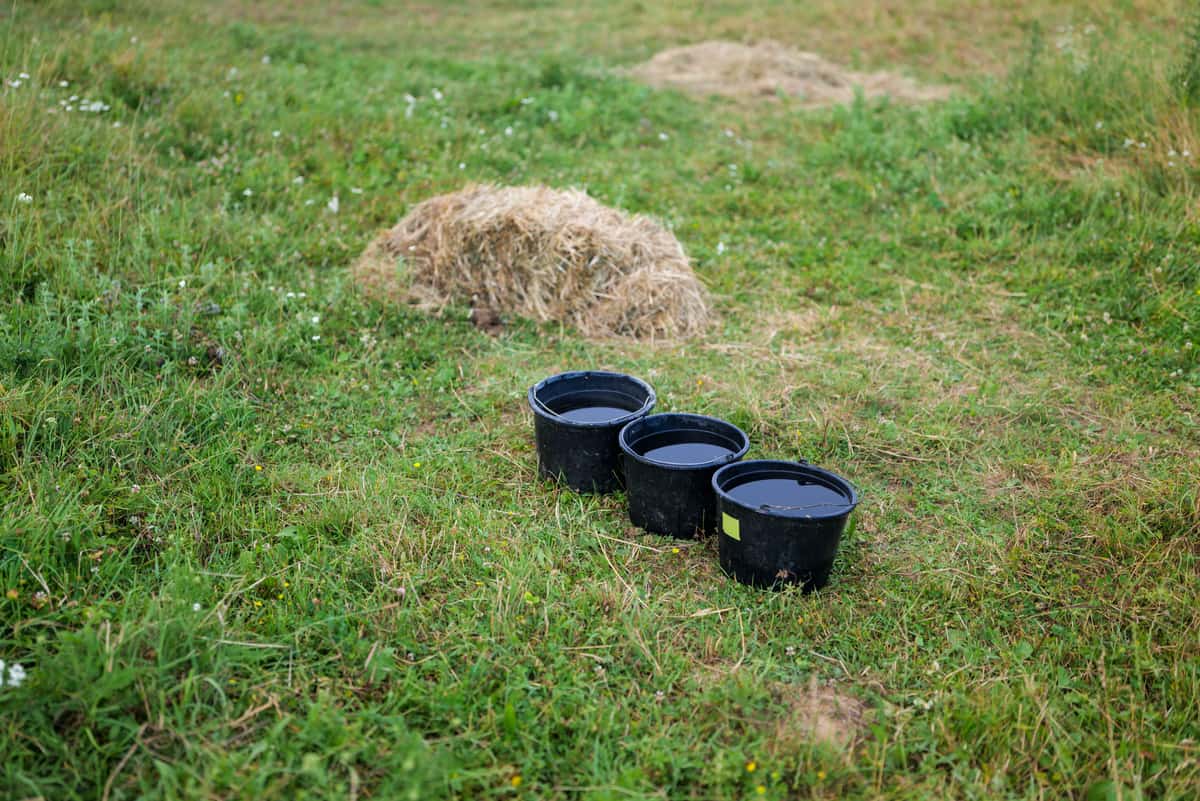
Mice live outdoors. A yard with field mice in the hedge and deer mice at the woodland edge is a normal yard, and no amount of trapping will produce a mouse-free half acre — the surrounding land restocks it. So before you spend anything, work out which of these you actually have:
Worth acting on:
- Mice getting into the house, garage, shed or a stored vehicle
- Burrows and runways against the house foundation or under a deck
- Damage to stored feed, seed, bulbs or a vegetable plot
- Chewed wiring in equipment stored outside
- A deer-mouse population around a building, which is the hantavirus concern the CDC's cleanup guidance addresses
Not worth chasing:
- A mouse seen crossing the lawn at dusk
- Activity at the far boundary with no evidence near the buildings
The realistic goal is a buffer: make the ten to fifteen feet around each building unattractive and hard to cross, so the population stays in the hedge instead of in the wall. Everything below serves that.
Find the runs before you buy anything
Outdoor mice use the same paths nightly, with one flank against a vertical surface, and they leave readable evidence. Walk the perimeter slowly and look for:
- Burrow entrances — holes about the diameter of a quarter, often hidden under a board, a paving slab, a planter or dense ground cover
- Runways — narrow flattened trails through grass, moss or mulch, usually hugging a wall, a fence line or a bed edge
- Droppings — rice-grain sized with pointed ends, concentrated where the runway passes through a pinch point
- Gnaw damage at the base of shed doors, on feed bins and on hose or cable insulation
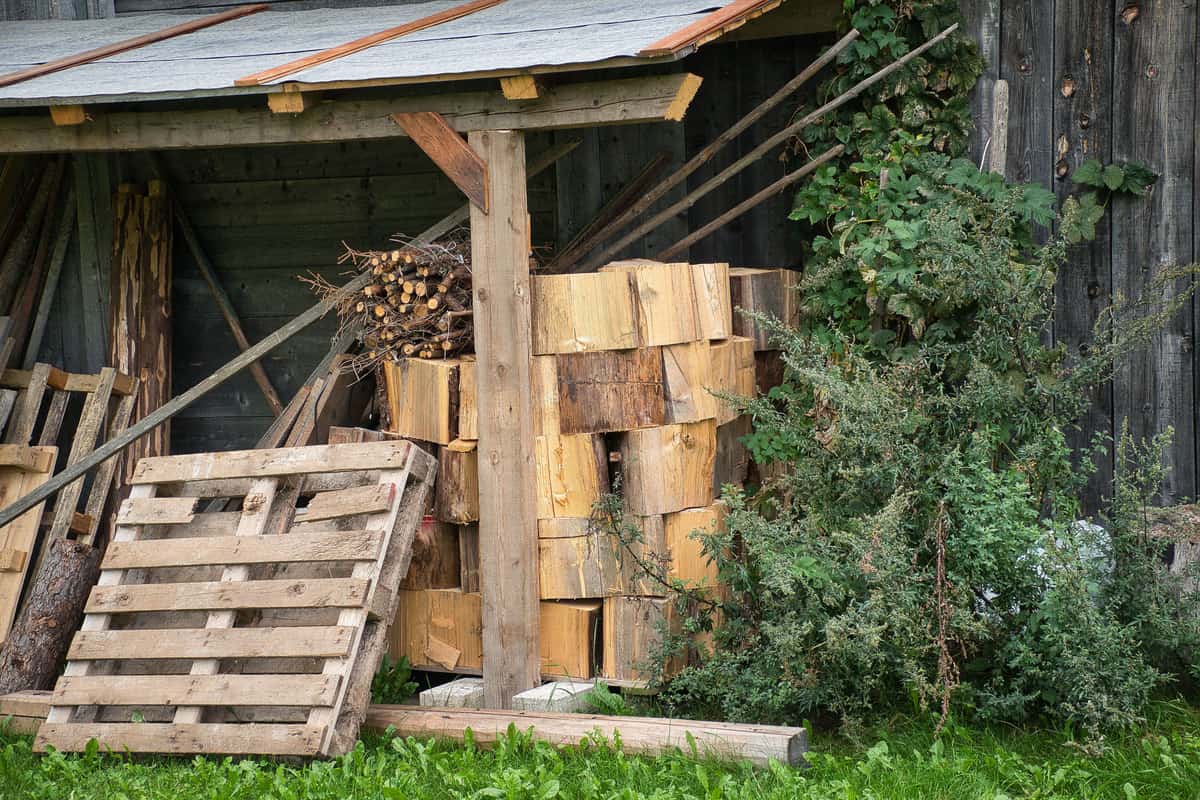
- Nests in a woodpile, a stacked pallet, an old tire, a compost bin or the engine bay of a parked mower
Mark what you find. Those are the only places traps belong. A trap set in open lawn catches nothing, because mice will not cross it.
What to look for in an outdoor trap
An enclosure, always. Outdoors a bare snap trap is a hazard to songbirds, squirrels, cats and dogs, and it is also useless after one rain shower. The right approach is a weatherproof station — a locked plastic box with rodent-sized entry holes — with snap traps inside it and no bait in the station itself.
Weatherproof, not just "outdoor". Wooden traps swell and jam when wet, cardboard dies, and electronic traps corrode in dew. Plastic, galvanized metal and sealed units survive.
Multi-catch for a shed or a feed store. A bucket trap with a lid keeps working unattended for weeks, which suits an outbuilding you visit twice a month. Best bucket mouse traps ranks them.
Anchorable. Screw stations to a paver or a fence post. Mice do not move them, but a raccoon, a dog or a mower will.
Nothing with poison outside. This is the standing rule on this site and it matters most outdoors, where the animals that eat rodents are. A poisoned mouse stays alive for days and is easy prey for a hawk, an owl, a cat or a fox. The EPA restricts how consumer rodenticide may be sold because of these secondary hazards. Mouse trap vs poison sets out the whole case.
Quick picks
| # | Product | Best for | Mechanism | Price |
|---|---|---|---|---|
| 1 |  Our pickJT Eaton Top Loader Bait StationSold as a bait station, better used as a weatherproof box for two snap traps — all the placement advantage, none of the poison. | Holding snap traps outdoors | Locked box, top access | |
| 2 |  Victor Metal Pedal Mouse Trap (M150)The wooden snap trap everything else is measured against. Cheap enough to set a dozen, which is how mouse trapping actually works. | Most homes, in quantity | Spring-loaded bar, metal pedal | |
| 3 | 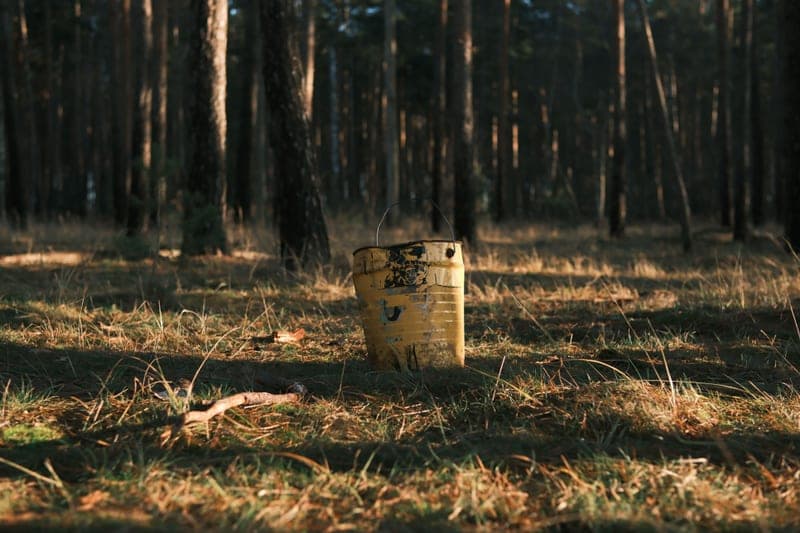 Flip N Slide Bucket Lid Mouse TrapA lid that turns any five-gallon bucket into a multi-catch trap. The one design here that keeps working after the first mouse, which is why it suits a shed you visit weekly. | Catching several mice unattended | Flipping ramp over a bucket | |
| 4 | 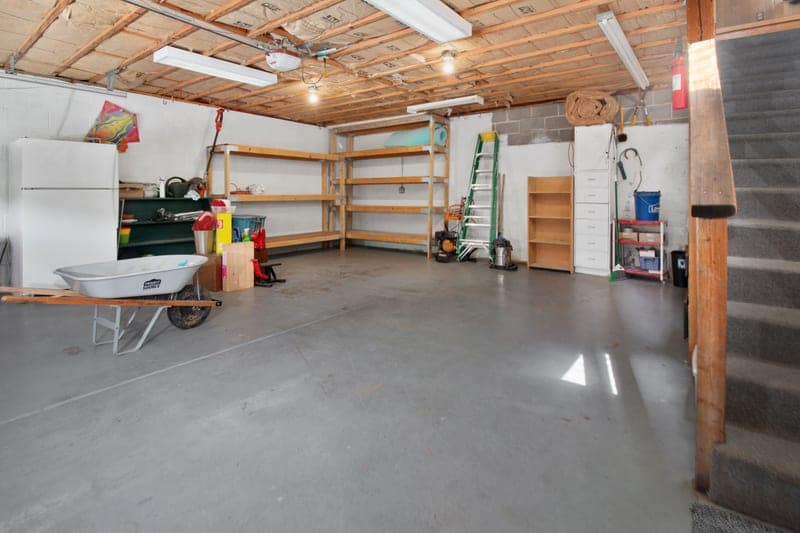 Fresh Cab Botanical Rodent RepellentBalsam fir pouches, EPA minimum-risk registered. Useful for keeping mice out of a space nobody is using; not a solution for an active infestation. | Stored vehicles and cabins | Balsam fir oil |
#ad — every price link goes to Amazon and Swat & Snap earns a commission on qualifying purchases. No price is shown until it can be pulled live from the retailer.
JT Eaton Top Loader Bait Station
JT Eaton · Holding snap traps outdoors
Sold as a bait station, better used as a weatherproof box for two snap traps — all the placement advantage, none of the poison.
- Turning a station into a trap box is the single best rodent tip on this site
- Top access means you service it without lying on the ground
- Bulky where space is tight
- Plastic goes brittle after a few summers in direct sun
Check price on Amazon
Victor Metal Pedal Mouse Trap (M150)
Victor · Most homes, in quantity
The wooden snap trap everything else is measured against. Cheap enough to set a dozen, which is how mouse trapping actually works.
- Costs little enough that quantity stops being a decision
- The metal pedal fires on weight, so a mouse cannot lick the bait off
- Nothing to charge, nothing to refill
- You see the result, and you have to handle it
- Exposed bar is a genuine hazard to a dog's nose or a toddler's fingers
Check price on Amazon
Flip N Slide Bucket Lid Mouse Trap
Flip N Slide · Catching several mice unattended
A lid that turns any five-gallon bucket into a multi-catch trap. The one design here that keeps working after the first mouse, which is why it suits a shed you visit weekly.
- Resets itself, so one set covers a week in a shed or a barn
- Works as a live trap with a dry bucket, or a kill trap with water — you decide
- Nothing to arm, so there is no spring to fire on a finger
- A bucket in the middle of a room is not a subtle piece of furniture
- Used with water it drowns the mouse, which is a slow death — dry-bucket use needs twice-daily checks
Check price on Amazon
Fresh Cab Botanical Rodent Repellent
Earth-Kind · Stored vehicles and cabins
Balsam fir pouches, EPA minimum-risk registered. Useful for keeping mice out of a space nobody is using; not a solution for an active infestation.
- The one repellent category with a real use case: sealed, unoccupied storage
- No mechanism to fail, nothing to reset
- A mouse already nesting in your wall will not leave because of a pouch
- Strong pine smell in a lived-in room
Check price on Amazon
Where to place them outdoors
- Against the house foundation, on the runway side, with entry holes facing along the wall
- Both sides of any gap where a runway passes under a gate, a step or a deck edge
- Beside the burrow entrance rather than on top of it
- Along the shed or garage wall, inside if you can
- Next to the woodpile, the compost bin and the feed store — the three most reliable yard nests
- Beside each tire of a parked vehicle, which is the climbing route into an engine bay
Bait with a pea-sized smear of peanut butter pressed in, and check weekly. Mice outdoors are not bait-shy, so arm everything from night one — unlike rats, which need several nights of pre-baiting. Rats in the yard covers that case if the droppings turn out to be larger and blunt-ended.
Taking away what keeps them there
Trapping thins the population. This part decides whether it comes back, and it is where the real win is.
Food, in order of impact:
- Bird feeders. Spilled seed under a feeder is the single most common reason a yard carries mice. Use a seed tray, sweep underneath weekly, or move the feeder well away from the house.
- Pet food and water bowls come in overnight.
- Feed, seed and bulbs into metal bins with tight lids. Mice chew through plastic tubs and paper sacks.
- Fallen fruit, windfall nuts and unharvested vegetables picked up.
- Trash and compost in bins with fitted lids. Keep compost turned and avoid putting cooked food in an open pile.
- Grill and fire-pit scraps cleared.
Cover, which matters just as much:
- Mow to the edges. Mice will not cross open, short grass willingly; long grass against a wall is a highway.
- Lift the woodpile off the ground on a rack, at least a foot up, and keep it away from the house wall.
- Thin dense ground cover — ivy, pachysandra, heavy mulch — in the strip within a few feet of the foundation.
- Clear the clutter: stacked pallets, spare tires, empty planters, unused equipment. Each one is a nest site.
- Trim shrubs up off the soil so there is daylight under them.
- Keep a bare or gravel strip against the foundation. This is the cheapest permanent improvement in the whole list.
Then seal the buildings
The yard work reduces pressure. Sealing is what makes it irrelevant. A house mouse gets through a gap about the width of a pencil, so walk each building with a flashlight at dusk and close:
- Gaps under and beside doors, including shed and garage doors with worn sweeps
- Pipe, cable, gas and conduit penetrations — pack with copper mesh or coarse steel wool, then seal
- Dryer and bathroom vents (fit a screened cover, never block the duct)
- Weep holes and the gap behind the siding at grade level
- Crawl-space vents and access hatches
- The gap where the garage door track meets the frame
Use steel wool or copper mesh plus sealant rather than expanding foam alone, which gets chewed straight through. Mice in the garage is the room-by-room version of this job, and how to get rid of mice is the full indoor sequence if they are already inside.
Repellents, honestly
Botanical pouches and sprays dilute to nothing in open air, so in a yard they are not worth buying for perimeter use. The one genuine exception is a small enclosed volume — a stored vehicle's engine bay, a closed equipment locker, a sealed cabinet in a shed — where the scent cannot disperse and there is no established nest yet. Used there, pouches are a reasonable supplement to traps and sealing. Natural mouse repellents explains the limit, and ultrasonic devices are covered in do ultrasonic repellers work — outdoors they do nothing at all.
What to expect
Trapping and tidying together should quiet an active yard inside two to three weeks. Expect a seasonal pattern rather than a permanent fix: pressure rises sharply in the fall as temperatures drop and field cover is cut, so the buffer work is worth redoing every September.
Keep two stations permanently at the house wall and the shed, check them monthly, and wear gloves when you clear them. Wet any droppings or nest material with disinfectant before wiping rather than sweeping it dry, which is the CDC's standing guidance for rodent cleanup.
Frequently asked
How do I get rid of mice in my yard?
Should I use poison for mice outside?
Can you ever get rid of mice in a yard completely?
What attracts mice to a yard?
Do mice in the yard mean mice in the house?
More on mice
One mouse is rarely one mouse. This hub covers what kills them, what only looks like it does, and where to put the thing you buy.
Not sure yet? Read how we pick.
Ryder M.
Ryder M. is the hands-on owner behind Magoo Media Group. He writes Swat & Snap because he got tired of pest-control advice that was either a sales pitch or a scare story.
Related on Swat & Snap
- The best mouse traps for outdoorsWeatherproof boxed sets and the traps to put in them, plus where mice actually run outdoors.
- How to get rid of miceThe full sequence: find the runs, trap in quantity, bait small, seal the gaps. Timeline and what to skip.

- Mice in the garageThe entry point for most household infestations — where to trap, what to seal, and protecting a stored car.

- Rats in the yardThe food and harborage audit that actually ends it, plus where outdoor stations go.
- Natural mouse repellentsThe narrow case where botanical pouches work — stored vehicles, cabins, closed drawers — and where they do not.

- The best bucket mouse trapsSelf-resetting lid and plank designs for sheds and barns, plus the honest verdict on the water question.