How to get rid of mice in a car
A chewed wiring loom is one of the few pest problems with a direct four-figure price tag. The good news is that a car is a small, enclosed space, which makes it one of the few places a repellent genuinely helps — and one of the few places you can actually finish the job.
By Ryder M.Published Updated

Swat & Snap earns a commission from qualifying purchases made through the links on this page, at no extra cost to you. It does not change which products we pick — see how we pick and our affiliate disclosure.
Why a car is a target
A parked car in autumn is a near-perfect mouse habitat and the animal has not made a mistake.
It is warm. An engine bay holds residual heat for hours after a drive, and even a cold car is several degrees warmer and drier than the ground.
It is enclosed and undisturbed. A vehicle that sits for a week is a quiet, dark, protected void with multiple sealed compartments.
It is full of nesting material. Cabin filter media, sound-deadening insulation, seat foam. All of it is ideal and all of it tears easily.
And modern wiring is edible. A lot of manufacturers moved to soy-based and other bio-derived wire insulation. Whether that materially increases chewing is genuinely disputed — rodents gnaw constantly to wear their incisors down regardless of what the material tastes like — but the damage is real and expensive either way, and a chewed loom is not always covered by warranty.
The combination that actually causes this is a vehicle that sits + somewhere for mice to live nearby + food. Change any one of those and the problem usually stops.
Step 1 — find the nest
Before you buy anything. Mice in a car build a nest, and finding it tells you how long this has been going on and what has been chewed.
Wearing gloves, check in this order:
- The air filter housing. The single most common nest site in a car. Unclip it and look.
- The cabin air filter box, usually behind the glovebox. Shredded filter media is the giveaway.
- On top of the engine cover, and in the gap between the engine and the bulkhead — warm, flat, sheltered.
- The battery tray and the space around it.
- Inside the wheel arch liners, if they have a void.
- Under and behind the rear seats, and under the front seats.
- The trunk, including under the spare wheel well and inside the side trim voids.
- The glovebox and center console.
What you are looking for: shredded insulation or filter media, droppings, a stash of seed or kibble, a urine smell, chewed wire sheathing, or gnawed plastic.
If you find chewed wiring, stop and have it inspected. A visible nick in sheathing is often not the whole story, and a shorted loom can be a fire risk. This is the point where a cheap job becomes a garage job, and the honest advice is to get it looked at rather than tape over it.
Step 2 — trap, carefully and outside the engine bay
Mice already living in the vehicle have to be removed before anything else works. A repellent will not evict them — that is the one thing repellents reliably cannot do.
Set traps on the ground beside the vehicle, not inside the engine bay. This is the rule people get wrong. A snap trap balanced on an engine block is a trap you will forget about, and finding one with the engine running is worse than the mouse. Two or three traps flat against the ground at the wheels, where the mice are climbing up, catch the same animals and cost you nothing in risk.
One trap inside the cabin and one in the trunk, if there is evidence there. Enclosed or sealed traps for these — a bare snap trap loose in a footwell is a bad idea for obvious reasons.
Buy enclosed, not bare. Sealed or tunnel traps are the right form factor around a vehicle because they can be picked up and moved as a unit, they will not fire on a hand reaching into a dark footwell, and you can leave them in a garage where a pet comes and goes. Pet-safe mouse traps covers that constraint.
Bait small. A pea-sized smear of peanut butter worked into the pedal. Best mouse trap bait.
Expect most catches in the first three nights, and keep everything set for a week after the last one. How long does it take to get rid of mice has the timeline, and what to do with a mouse in a trap covers the part afterwards.
No poison in a vehicle, ever. A poisoned mouse crawls into a door card, a vent duct or the dash and dies there. The smell lasts months in a sealed cabin you cannot open up, and you will be paying someone to strip trim to find it. Mouse trap vs poison.
Step 3 — clean it out properly
Wet, never dry. Do not vacuum the nest before it has been wetted down — a vacuum aerosolizes dried droppings and urine, and a car cabin is a small enclosed volume to be doing that in.
- Open every door and the hood and let it air for 30 minutes before you start.
- Gloves and an N95.
- Spray the nest, droppings and surrounding surfaces with disinfectant or a fresh 1:10 bleach solution until soaked. Leave five minutes.
- Lift the nest material out with damp paper towels, into a bag.
- Double-bag it and put it in an outdoor bin.
- Replace the cabin air filter and the engine air filter if either has been nested in. They cannot be cleaned, and the cabin filter is what you breathe through.
- Wipe the surfaces again, and shampoo or steam-clean carpet that has been urinated on.
Cleaning up mouse droppings is the full method. If a lingering smell remains after cleaning, that usually means a carcass in a void rather than residual urine — how to get rid of mouse smell covers finding it.
What to look for
A vehicle is the one place on this site where we recommend repellents without heavy caveats, because an engine bay with the hood down is exactly the small, enclosed, unoccupied volume the category is built for. The specification to buy on is what shape the thing you are protecting is.
Tape, for cable runs. Capsaicin-impregnated wiring tape wraps the harness itself. It is the only product here that protects the specific thing that costs money, and manufacturers including Honda sell it for exactly this problem. Wrap the exposed runs rather than trying to do the whole loom.
Pouches, for enclosed volumes. One per sealed section — engine bay, cab, footwells, under the seats, trunk, lockers. A single pouch for a whole vehicle is a nice smell and nothing more. Balsam fir pouches with EPA minimum-risk registration are the most defensible of the botanical options; peppermint and cinnamon pouches are physically smaller and fit the awkward voids. Roughly 30 days each, and the real failure mode of this category is week three, when nobody replaces them.
Sprays, for surfaces a pouch cannot reach. Honest about their cost: the labels typically ask for roughly twice-weekly reapplication, and on a car you actually drive that is close to pointless. On a stored vehicle it is reasonable.
Enclosed traps, for the animals already there. Covered above.
Skepticism about under-hood ultrasonic devices. People buy them and we would rather give an honest read than a blank space: ultrasound does not pass through sheet metal, does not travel around corners, and the testing on ultrasonic rodent repellers has repeatedly failed to find a durable effect. If you buy one, buy it as a supplement to tape and pouches. Do ultrasonic repellers work and best rodent repellents for cars and RVs go through the whole category.
Quick picks
| # | Product | Best for | Mechanism | Price |
|---|---|---|---|---|
| 1 | 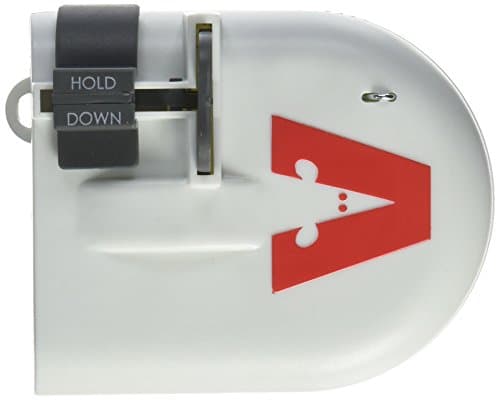 Our pickVictor Kill Vault Mouse Trap (M267)A snap trap sealed inside a plastic vault. The kill happens out of sight and out of reach, and you never touch the mouse. | Homes with a dog or a toddler | Enclosed snap bar in a sealed chamber | $12.43View on Amazon Price as of October 30, 2026 |
| 2 | 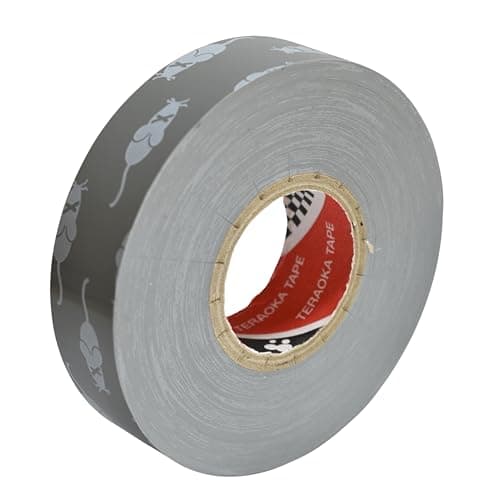 Honda Rodent Tape (4019-2317)Capsaicin-treated tape you wrap around the looms rodents actually chew. The only product here that protects the specific thing that costs money to repair. | Protecting the wiring itself | Capsaicin (chili compound) | $54.10View on Amazon Price as of October 30, 2026 |
| 3 | 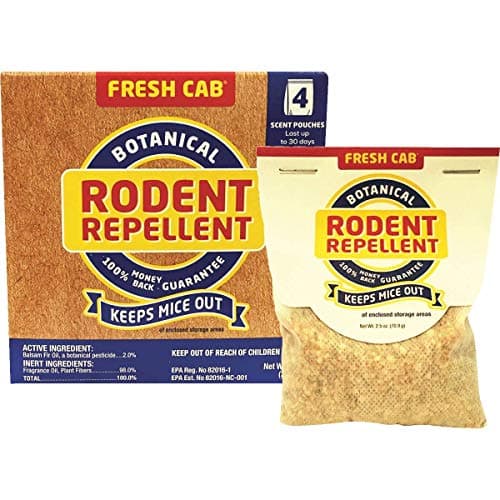 Fresh Cab Botanical Rodent RepellentBalsam fir pouches, EPA minimum-risk registered. Useful for keeping mice out of a space nobody is using; not a solution for an active infestation. | Stored vehicles and cabins | Balsam fir oil | $23.73View on Amazon Price as of October 30, 2026 |
| 4 |  Grandpa Gus's Mouse Repellent PouchesPeppermint and cinnamon oil pouches. Same honest limits as any botanical repellent — a deterrent in a closed space, not a treatment. | Engine bays and drawers | Peppermint + cinnamon oil | $32.99View on Amazon Price as of October 30, 2026 |
#ad — every price link goes to Amazon and Swat & Snap earns a commission on qualifying purchases. Prices are pulled live from the retailer; where one is not available the button reads “Check price on Amazon” rather than showing a stale number.
Victor Kill Vault Mouse Trap (M267)
Victor · Homes with a dog or a toddler
A snap trap sealed inside a plastic vault. The kill happens out of sight and out of reach, and you never touch the mouse.
- The enclosure is the reason to buy it: a dog cannot get to the bar
- Seals after firing, so there is no smell and nothing to see
- Sets by pressing the lid, not by arming a bar with your fingers
- Single-use, so a real infestation gets expensive
- Bulkier than a bare snap trap in a tight wall run
Honda Rodent Tape (4019-2317)
Honda · Protecting the wiring itself
Capsaicin-treated tape you wrap around the looms rodents actually chew. The only product here that protects the specific thing that costs money to repair.
- Targets the damage rather than the animal, which is the right end of the problem
- Stays where you put it — no monthly replacement like a pouch
- A genuine dealer part, not a novelty, and it fits any make
- Fiddly to apply properly: you have to get at the looms, which means time under the hood
- Only protects what you wrap — anything you cannot reach stays exposed
- Costs more than a bag of pouches, and one roll does not cover a whole harness
Fresh Cab Botanical Rodent Repellent
Earth-Kind · Stored vehicles and cabins
Balsam fir pouches, EPA minimum-risk registered. Useful for keeping mice out of a space nobody is using; not a solution for an active infestation.
- The one repellent category with a real use case: sealed, unoccupied storage
- No mechanism to fail, nothing to reset
- A mouse already nesting in your wall will not leave because of a pouch
- Strong pine smell in a lived-in room
Grandpa Gus's Mouse Repellent Pouches
Grandpa Gus's · Engine bays and drawers
Peppermint and cinnamon oil pouches. Same honest limits as any botanical repellent — a deterrent in a closed space, not a treatment.
- Small enough to tuck into the places mice actually enter
- No bait, no snap, nothing a pet can trip
- Open rooms dilute it to nothing
- Replaced monthly, which people forget by week three
Step 4 — the two things that matter more than any product
Where you park. Mice get into a car from somewhere within a few feet of it. A vehicle parked on grass, beside a log pile, next to a compost bin, against a hedge, in long grass or beside a bird feeder is being offered a staircase. Hard standing, away from vegetation, with a clear perimeter, removes most of the risk at no cost. In a garage, keep the garage clean — bird seed, pet food and grass seed stored in bags are the usual culprits, and best mouse repellents for sheds covers that storage problem.
What is in the car. Nothing edible, ever — no snack wrappers, no crumbs under the seats, no kids' food in the door pockets, no dog treats in the trunk, no bag of bird seed "just for now". A mouse eats about three grams a day, so the crumbs under a child seat are a meaningful food supply.
Those two together do more than every product on this page combined.
If the car is being stored
Different job, and the easier one:
- Park on hard standing, not grass.
- Empty it completely of anything edible or absorbent.
- Pouches in every enclosed section, dated, replaced monthly rather than in spring.
- Rodent tape on the exposed cable runs.
- Leave the hood up if the vehicle is in a secure garage — a lit, open engine bay is far less attractive than a dark closed one.
- Set two enclosed traps on the ground beside it as permanent monitors, so you know in spring whether anything got in rather than discovering it with the ignition.
- Check monthly. The single biggest cause of expensive spring surprises is a vehicle nobody looked at between November and April.
What to skip
- Poison, in or near a vehicle. Covered above, and the reason is the smell you cannot reach.
- Mothballs in the engine bay. Registered mothball labels specify air-tight containers and storage closets as the use site, so this is an off-label use, and the fumes in a cabin are a genuine inhalation hazard.
- Dryer sheets and peppermint oil on cotton balls. The homemade version of a pouch with less active and a faster fade. If you want the sealed-volume effect, buy something engineered to release slowly. Natural mouse repellents is honest about the line.
- A bare snap trap on the engine block. You will forget it.
- Leaving the nest in place and relying on a repellent. It does not work and never has.
- Running the engine to "scare them out". It does not reliably clear a nest and it can start a fire if the nest is against a manifold.
The short version
Find the nest first — air filter housing, cabin filter box, battery tray, under the seats. Remove it wet, with gloves and an N95, and replace any filter that has been nested in. Trap on the ground beside the wheels and inside the cabin with enclosed traps, never a bare trap in the engine bay and never poison. Then protect it: rodent tape on the exposed cable runs, a pouch in each enclosed section replaced monthly, park on hard standing away from vegetation, and keep every crumb out of the car. If you find chewed wiring, get it inspected rather than taping over it.
Frequently asked
How do I get mice out of my car?
Where do mice nest in a car?
Should I put mouse traps in my engine bay?
Can I use poison for mice in a car?
Do rodent repellents work for cars?
Do mice really chew car wiring because of soy insulation?
How do I stop mice getting in my car in the first place?
More on mice
One mouse is rarely one mouse. This hub covers what kills them, what only looks like it does, and where to put the thing you buy.
Not sure yet? Read how we pick.
Ryder M.
Ryder M. is the hands-on owner behind Magoo Media Group. He writes Swat & Snap because he got tired of pest-control advice that was either a sales pitch or a scare story.
Related on Swat & Snap
- The best rodent repellents for cars and RVsPouches, sprays, capsaicin tape and under-hood devices for stored cars and RVs — with honest limits on each.
- The best mouse traps for an RV or camperTraps that work in a stored camper — enclosed kill traps, bucket traps and what to set before you close it up.
- How to clean up mouse droppings safelyThe CDC method: ventilate, wet with disinfectant, wipe, bag and wash — never sweep or vacuum dry.
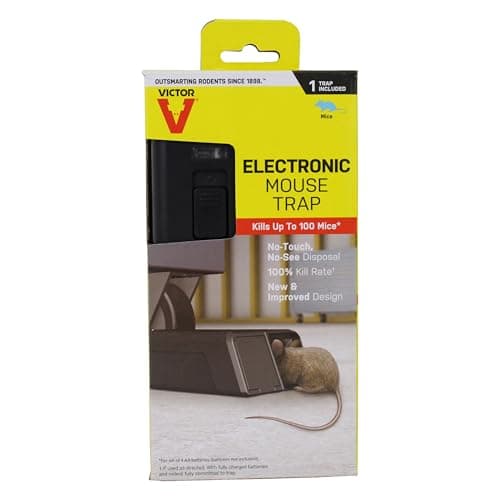
- What to do with a mouse in a trapHandling a dead mouse, a live one and the trap that only injured it — plus the traps that remove this problem entirely.
- Do ultrasonic repellers work on mice?The short answer is no. Why they seem to work for a fortnight, and what the testing actually found.

- How to get rid of mouse smellDead mouse versus urine musk, how to find the source, the enzymatic cleaner that actually works, and the timeline to expect.