Are mouse traps reusable?
Most of them are, technically. The useful question is which ones stay as effective on catch five as they were on catch one — and that answer varies a lot by type.
By Ryder M.Published Updated

Swat & Snap earns a commission from qualifying purchases made through the links on this page, at no extra cost to you. It does not change which products we pick — see how we pick and our affiliate disclosure.
Type by type
Wooden snap traps with a metal pedal. Reusable, and the cheapest thing in the category, which is why most people bin them anyway. The mechanism is a spring, a bar and a trigger — none of which wear out quickly. What does fail is the wood: it absorbs moisture and blood, it splits around the staples after repeated firing, and in a damp basement or garage it warps so the bar no longer seats flat. Expect many catches from one in a dry room and far fewer in a damp one.
Plastic snap traps. Reusable, and easier to clean than wood because nothing is absorbed. The wear item is the jaw: repeated cycling gradually reduces the snap force, and a trap that closes slowly catches a mouse by the tail rather than killing it. Replace them when the snap sounds soft.
Electronic tunnel traps. Designed for repeat use — tip out, wipe, reset. The limiting factors are battery condition and the cleanliness of the shock plates rather than mechanical wear. Fouled plates are the main way these stop working, which is covered in Owltra vs Victor electronic mouse traps.
Sealed single-use traps. Not reusable, and deliberately so. The whole design proposition is that the kill happens inside a sealed chamber, the unit closes afterwards, and you drop the whole thing in the bin without seeing or touching anything. If you have children or a dog, that is worth paying for repeatedly — see best enclosed mouse traps.
Live-catch traps. Reusable, and they have to be washed between catches or the scent of the previous occupant puts off the next one. They also need checking at least twice a day, which is the real cost of this category rather than the purchase price.
Glue boards. Never reuse. They are single-use, they are indiscriminate, and we do not recommend them as a kill method at all — only as a short-term monitoring tool to confirm where rodents travel. Snap trap vs glue trap explains the reasoning.
Quick picks
| # | Product | Best for | Mechanism | Price |
|---|---|---|---|---|
| 1 | 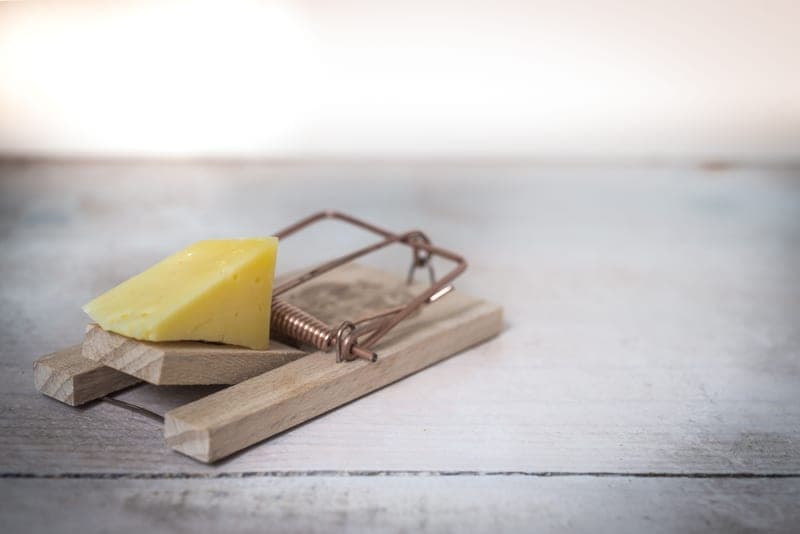 Our pickVictor Metal Pedal Mouse Trap (M150)The wooden snap trap everything else is measured against. Cheap enough to set a dozen, which is how mouse trapping actually works. | Most homes, in quantity | Spring-loaded bar, metal pedal | |
| 2 |  Victor Electronic Mouse Trap (M250S)A battery tunnel that delivers a high-voltage shock. You tip the mouse out without seeing or touching it, which is the whole appeal. | No-touch disposal indoors | High-voltage shock inside a tunnel | |
| 3 |  Tomcat Press 'N Set Mouse TrapA plastic snap trap you arm by pressing one tab. If the reason you avoid snap traps is the moment of arming them, this is the fix. | Setting without touching a bar | Plastic jaw, single-press arming | |
| 4 |  Victor Kill Vault Mouse Trap (M267)A snap trap sealed inside a plastic vault. The kill happens out of sight and out of reach, and you never touch the mouse. | Homes with a dog or a toddler | Enclosed snap bar in a sealed chamber |
#ad — every price link goes to Amazon and Swat & Snap earns a commission on qualifying purchases. No price is shown until it can be pulled live from the retailer.
Victor Metal Pedal Mouse Trap (M150)
Victor · Most homes, in quantity
The wooden snap trap everything else is measured against. Cheap enough to set a dozen, which is how mouse trapping actually works.
- Costs little enough that quantity stops being a decision
- The metal pedal fires on weight, so a mouse cannot lick the bait off
- Nothing to charge, nothing to refill
- You see the result, and you have to handle it
- Exposed bar is a genuine hazard to a dog's nose or a toddler's fingers
Check price on Amazon
Victor Electronic Mouse Trap (M250S)
Victor · No-touch disposal indoors
A battery tunnel that delivers a high-voltage shock. You tip the mouse out without seeing or touching it, which is the whole appeal.
- The tunnel is the safety feature — a dog's nose does not fit the plates
- Indicator light means you are not checking traps blind
- Tip-out disposal, no handling
- Batteries die, usually unnoticed, and a dead trap catches nothing
- Has to sit flat against a wall run or mice walk past it
Check price on Amazon
Tomcat Press 'N Set Mouse Trap
Tomcat · Setting without touching a bar
A plastic snap trap you arm by pressing one tab. If the reason you avoid snap traps is the moment of arming them, this is the fix.
- One-press arming removes the flinch that makes people set traps badly
- Releases the mouse into a bin without handling
- Plastic jaw loses snap force over many cycles
- Still an open mechanism, so it needs a box in a pet home
Check price on Amazon
Victor Kill Vault Mouse Trap (M267)
Victor · Homes with a dog or a toddler
A snap trap sealed inside a plastic vault. The kill happens out of sight and out of reach, and you never touch the mouse.
- The enclosure is the reason to buy it: a dog cannot get to the bar
- Seals after firing, so there is no smell and nothing to see
- Sets by pressing the lid, not by arming a bar with your fingers
- Single-use, so a real infestation gets expensive
- Bulkier than a bare snap trap in a tight wall run
Check price on Amazon
Does a used trap catch fewer mice?
This is the part people actually want to know, and the honest answer has two halves.
Human scent does not matter much. The widespread advice to wear gloves so mice cannot smell you is largely folklore. Mice live in human buildings, eat human food and travel human floors; the smell of a person is the background condition of their entire lives. Handle traps with bare hands if you want to.
The scent of a dead mouse does matter, somewhat. Blood, urine and the alarm odor left by a trapped animal can make a cautious mouse hesitate at a trap that has already fired. The effect is real but small for house mice, and it is far smaller than two other factors: whether the trap is on a genuine travel route, and whether there is competing food. Mice are also not meaningfully neophobic — that is rats, and it is a big part of why rat trapping is slower. Trap-shy rats covers that difference.
Grease and stale bait matter most. Dried peanut butter welds a trigger, blocks a pedal and, on an electronic trap, insulates the shock plates. A trap that fails to fire is costing you a mouse every night it sits there looking fine.
So: wash them, mainly to keep them working, and do not worry much about your own scent.
How to clean a trap for reuse
Protect yourself first. Gloves on. Do the work outside or over a bin, never over a kitchen sink or a food preparation surface.
Bag the mouse and the old bait together and put it in the outside bin.
Wash in hot soapy water. A dedicated brush, kept with the traps, not with the dishes. Scrub the trigger, the pedal and the jaw where bait collects.
Disinfect. A dilute bleach solution or a household disinfectant, left on the surface for a few minutes, then rinsed. The CDC's rodent cleanup guidance is wet-first for a reason: you want nothing dry and flaking.
Dry completely. This is the step people skip. A damp wooden trap warps and a damp electronic trap corrodes its contacts. Leave them in the sun or somewhere airy until bone dry.
Electronic traps get wiped, not washed. Do not run water into the chamber. Tip out, wipe the plates with a dry cloth, and check the battery voltage while you are there.
Then rebait small. A pea-sized smear. Best mouse trap bait covers what actually works.
Wash your hands properly afterwards whether or not you wore gloves.
When to stop reusing and just buy more
Retire a trap when:
- The snap sounds soft or the bar closes visibly slowly
- The wood is split, stained through or swollen from damp
- The trigger will not hold a set position reliably
- The plastic jaw has a crack or no longer closes square
- An electronic trap's plates are pitted or corroded, or it has started giving you partial results
- It has been in a damp crawl space all winter
And be realistic about the economics. A wooden snap trap costs about the same as a coffee. If the choice is between carefully cleaning four traps and buying twelve new ones, buy twelve — because how many mouse traps do I need has the real answer to this problem, and it is "more than you think." Covering eight runways on night one beats cleaning three traps perfectly.
Where reusing genuinely pays
Three situations where it is clearly worth it:
Electronic traps. They cost several times a snap trap, they are built to be emptied and reset, and the no-touch disposal is pleasant enough that you will actually do it. Reusing these is the normal case, not the frugal one.
Live-catch traps. Obviously reusable, and washing between catches improves the catch rate rather than just saving money.
Outdoor and shed traps in a protected box. A snap trap inside a weatherproof station stays dry, stays clean and lasts for seasons. That is also the safest way to run traps where pets or wildlife are about — best outdoor mouse traps covers the station approach.
And one where it does not: a kitchen with an active problem. There, speed and numbers beat everything, and the twenty minutes you spend scrubbing is twenty minutes the traps are not set.
The short version
Snap traps and electronic traps are reusable — wash them in hot soapy water, disinfect, dry fully, rebait small. Sealed single-use traps are not, and that is what you are paying for. Glue boards never are. Your own scent on a trap is not the problem; dried bait, a weak spring and a damp winter in the garage are. And if cleaning is slowing you down during an active infestation, buy more traps instead.
Frequently asked
Are mouse traps reusable?
Do I need to clean a mouse trap before reusing it?
Will mice avoid a trap that has already caught a mouse?
Do I need to wear gloves when handling mouse traps?
When should I throw a mouse trap away?
Can you reuse an electronic mouse trap?
More on mice
One mouse is rarely one mouse. This hub covers what kills them, what only looks like it does, and where to put the thing you buy.
Not sure yet? Read how we pick.
Ryder M.
Ryder M. is the hands-on owner behind Magoo Media Group. He writes Swat & Snap because he got tired of pest-control advice that was either a sales pitch or a scare story.
Related on Swat & Snap
- The best mouse traps, by situationSix traps chosen by situation — cheap and plentiful, pet-safe by design, no-touch, or live catch.

- How to set mouse trapsArming a trap safely, how much bait, which way round it goes, and when to check it.

- The best mouse trap baitPeanut butter, pea-sized and pressed in. What to switch to when that stops working, and the winter trick.

- How many mouse traps do I need?The trap count that actually ends an infestation, broken down by room and by house size.
- Best enclosed mouse trapsCovered snap, electronic and live traps that hide the catch and keep fingers and paws off the mechanism.

- Snap trap vs glue trapNot a close call. What each actually does, the one legitimate use for a glue board, and what to buy instead.