Best mouse bait stations
A bait station does not kill anything. It is a lockable plastic box that keeps whatever is inside it away from dogs, children and the weather. That makes the choice simple once you decide what you are putting in the box, and it is worth knowing that our answer is usually a trap rather than a block of poison.
By Ryder M.Published Updated

Swat & Snap earns a commission from qualifying purchases made through the links on this page, at no extra cost to you. It does not change which products we pick — see how we pick and our affiliate disclosure.
What a bait station actually is
It is a box. It has a mouse-sized entrance, a lid that locks or latches, and a floor you can secure something to. That is the whole product.
The box does three useful things:
- It stops the contents being reached by a dog, a cat, a toddler or a bird.
- It keeps the contents dry, which matters for anything left outdoors for a season.
- It makes the spot feel safe to a mouse. Rodents prefer running through an enclosed passage to crossing open floor, so a station on a known run gets visited rather than avoided.
What it does not do is kill a mouse. Whatever is inside does that, and the decision about what goes inside is the real decision on this page. The comparison, in full, is mouse trap vs bait station.
Why we usually put a trap in the box, not poison
A station is often sold as a poison holder. We mostly do not use one that way, for three reasons that have nothing to do with squeamishness.
A poisoned mouse dies somewhere you did not choose. Usually inside a wall or under a floor, which produces a smell lasting weeks and nothing you can do about it except wait. How to get rid of mouse smell exists because of this.
Secondary exposure is real. A dying rodent that is easy to catch is an attractive meal for a cat, a dog or an owl, and anticoagulant residue travels. The station protects your dog from eating the bait block; it does not protect your dog from eating the mouse that ate it.
You never find out whether it worked. A trap tells you: there is a mouse in it or there is not. Poison gives you a slowly emptying bait block and a guess. On a job where you need to know whether you are done, that difference matters a lot.
So the pattern we recommend is a locked station with a snap trap bolted inside. You get the tamper resistance and the weather protection, with a visible, countable result and no corpse in a cavity. Where poison genuinely is the right call — long-term pressure on an exterior perimeter nobody can check often — put it in a locked exterior station, never a loose tray, and read mouse trap vs poison first.
Quick picks
| # | Product | Best for | Mechanism | Price |
|---|---|---|---|---|
| 1 | 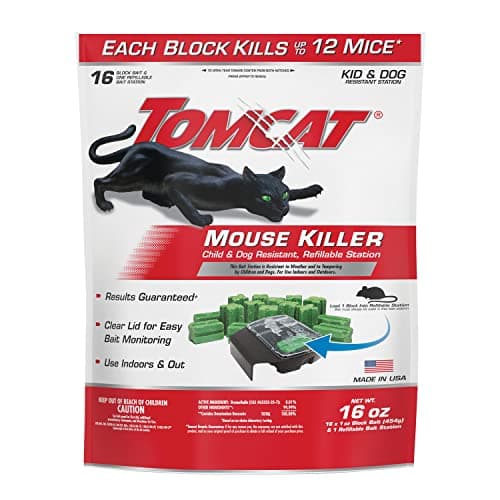 Our pickTomcat Child & Dog Resistant Refillable Mouse StationA locking station for people who have decided on bait. The station is the safety feature; the bait inside it still carries a secondary-poisoning risk. | Bait that must stay out of reach | Locked tamper-resistant station | $8.00$12.9938% offView on Amazon Price as of November 11, 2026 |
| 2 | 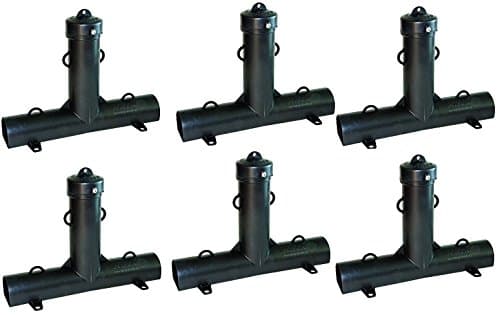 JT Eaton Top Loader Bait StationSold as a bait station, better used as a weatherproof box for two snap traps — all the placement advantage, none of the poison. | Holding snap traps outdoors | Locked box, top access | $87.54View on Amazon Price as of November 11, 2026 |
| 3 | 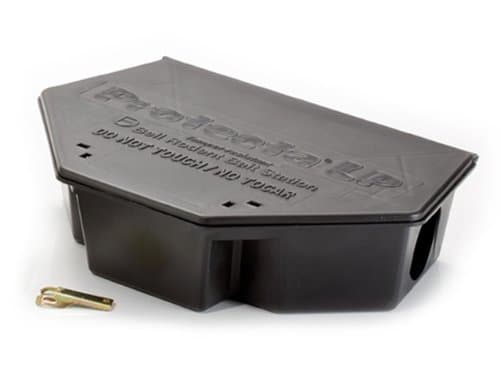 Protecta LP Rat Bait StationThe low-profile station professionals use. Buy it for the lock and the anchoring, and read our poison page before you decide to put bait in it at all. | Locked exterior baiting | Locked tamper-resistant station | $27.45View on Amazon Price as of November 11, 2026 |
#ad — every price link goes to Amazon and Swat & Snap earns a commission on qualifying purchases. Prices are pulled live from the retailer; where one is not available the button reads “Check price on Amazon” rather than showing a stale number.
Tomcat Child & Dog Resistant Refillable Mouse Station
Tomcat · Bait that must stay out of reach
A locking station for people who have decided on bait. The station is the safety feature; the bait inside it still carries a secondary-poisoning risk.
- A dog cannot open it, which is the entire point of a station
- Refillable, so one station covers a long campaign
- Does nothing about secondary poisoning of a cat, an owl or a fox
- Mice die inside walls — a smell you cannot reach
JT Eaton Top Loader Bait Station
JT Eaton · Holding snap traps outdoors
Sold as a bait station, better used as a weatherproof box for two snap traps — all the placement advantage, none of the poison.
- Turning a station into a trap box is the single best rodent tip on this site
- Top access means you service it without lying on the ground
- Bulky where space is tight
- Plastic goes brittle after a few summers in direct sun
Protecta LP Rat Bait Station
Bell Labs · Locked exterior baiting
The low-profile station professionals use. Buy it for the lock and the anchoring, and read our poison page before you decide to put bait in it at all.
- Properly tamper-resistant, unlike the unlocked trays sold as stations
- Can be loaded with snap traps instead of bait — which is what we would do
- The station is safe; anticoagulant bait inside it still poisons what eats the rat
- Needs anchoring or it gets dragged
Indoors or outdoors changes the box
Indoors, you want the smallest, cheapest lockable station that will not be an eyesore, and you want several — under a sink, behind the fridge, in the back of a cupboard, along the garage wall. Weight does not matter because nothing is going to blow it over. The entrance size matters: a mouse-sized hole excludes a cat's paw and a child's fingers.
Outdoors, the box has a different job. It has to survive rain and frost, resist being tipped by a raccoon or shoved by a mower, and keep its contents dry for months. That means a heavier, low-profile, genuinely lockable housing, ideally one you can stake or weight down. A light indoor station left on a patio becomes litter in a gale.
In a barn, a shed or anywhere with livestock or feed, a locked station is not a nicety. Feed rooms are the densest rodent habitat on a property and also where the animals are, so every device has to be inaccessible to everything except a mouse. Mouse traps for barns and mouse traps for sheds carry the building-specific picks.
Placement is most of the performance
A station in the wrong place is a plastic box in the wrong place.
Flush to a wall, entrance along the run. Rodents follow vertical surfaces. The station should sit with its long side against the wall and its openings pointing the way the mice are already traveling, not out into the room.
On evidence. Droppings, smear marks, gnawed packaging, a hole with worn edges. Signs of mice in the house covers reading the evidence, and where mice hide in a house covers the places to look first.
Several, not one. The same coverage logic that applies to traps applies here. Two stations in a kitchen and garage will beat one perfect station every time.
Checked on a schedule. Write the date on the lid. A station nobody opens for six months is a storage container.
What to put inside
If you are using a trap-holding station, use the same baiting discipline as a bare trap: a pea-sized smear of peanut butter worked into the pedal, or nesting material in autumn. Best mouse trap bait has the full ranking.
If you are using bait blocks, buy the blocks separately, read the label as a legal document rather than a suggestion, and secure them on the rod the station provides so nothing can be dragged out of the box and left in the open. Never put loose pellets in a station — the drag-out risk is the whole reason the rod exists.
And whichever you choose, the station is not the end of the job. Mice get in through a gap, and until the gap is closed you are running a permanent mouse-catching service. Closing it costs less than the stations do: steel wool and copper mesh for mouse holes, then the sequence in how to get rid of mice.
What to buy
Most homes: two or three cheap, lockable indoor stations with a snap trap inside each, on runs you can prove.
Exterior walls, crawl-space hatches, anywhere wet: a heavy, lockable, low-profile outdoor station.
A household with a dog that investigates everything: any station on this page is a large improvement on a bare trap behind the sofa, and the enclosed snap trap in pet-safe mouse traps is the alternative if you would rather not have a separate box at all.
If what you are dealing with is rats rather than mice: the box needs to be bigger, heavier and harder to tip, and the picks are in best rat bait stations.
Frequently asked
Do mouse bait stations work without poison?
Are bait stations safe for dogs and children?
Where should I put a mouse bait station?
What is the difference between a mouse and a rat bait station?
How often should I check a bait station?
Can I put a snap trap inside a bait station?
More on mice
One mouse is rarely one mouse. This hub covers what kills them, what only looks like it does, and where to put the thing you buy.
Not sure yet? Read how we pick.
Ryder M.
Ryder M. is the hands-on owner behind Magoo Media Group. He writes Swat & Snap because he got tired of pest-control advice that was either a sales pitch or a scare story.
Related on Swat & Snap
- Mouse trap vs bait stationA trap kills; a station is a locked box. Why loading the box with traps beats both.
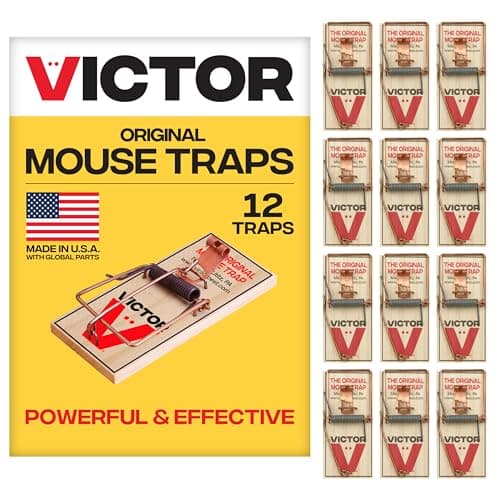
- Mouse trap vs poisonRodenticide works — and then the carcass is in your wall and a cat can be poisoned by eating it. The honest comparison.
- The best rat bait stationsTamper-resistant stations that actually lock — and the case for loading them with traps rather than bait.
- Best snap mouse trapsThe snap-trap sub-category on its own: bare, enclosed and press-to-set, with the budget pick that most households should buy twelve of.
- Pet-safe mouse trapsEnclosed and tunnel traps that are safe because of their geometry, plus a free way to make any trap safer.
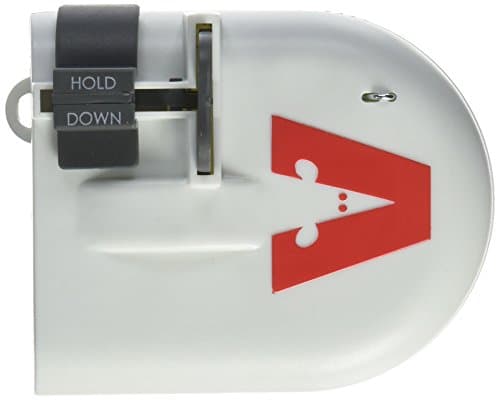
- Where to place mouse trapsHow to read a runway, how to orient a trap, and the three rooms people forget to cover.