What attracts mice to your house?
A mouse is not choosing your house over your neighbor's for mysterious reasons. It needs about three grams of food a day, somewhere dark to nest and a gap the width of a pencil, and your house is offering all three.
By Ryder M.Published Updated

Swat & Snap earns a commission from qualifying purchases made through the links on this page, at no extra cost to you. It does not change which products we pick — see how we pick and our affiliate disclosure.
The three things a mouse is looking for
House mice are not opportunists in a vague sense. They are looking for a specific, short list, and if your house supplies all three they will stay and breed. If it supplies two, they pass through.
1. Food. A house mouse eats roughly three grams a day and drinks very little — it gets most of its water from food. That is a tiny amount, which is the problem: a spilled handful of rice behind the toaster feeds one mouse for a week. You are not competing with an animal that needs a meal; you are competing with an animal that needs crumbs.
2. Shelter to nest in. Somewhere dark, undisturbed, insulated and within about ten to thirty feet of the food. Wall cavities, the back of a kitchen cabinet, under a bath panel, inside a stored box, behind loft insulation, the underside of a sofa.
3. Warmth. Mice do not hibernate. When outside temperatures drop, the warm structure that is radiating heat all night becomes the obvious place to be, which is why most households discover mice in autumn rather than July.
Everything else on the usual internet list is one of those three wearing a different hat.
What is actually attracting them, in order of impact
This is the order worth working in, because the first four items account for most real cases.
- Pet food left in the bag. A sack of kibble on a garage or pantry floor is the single most common mouse food source in a US home. It is high-calorie, unprotected and left out permanently. Decant it into a hard bin with a lid.
- Open dry goods. Rice, pasta, flour, oats, cereal, crackers, sugar, nuts, bread, chocolate. Cardboard and plastic film are not barriers — mice chew straight through. Glass, metal and rigid plastic with a sealed lid are.
- Crumbs and grease under and behind appliances. The gap under the refrigerator and the slot beside the stove are where the actual pantry is. They are warm, dark, never cleaned and full of food.
- Bird seed and grass seed in a shed or garage. Often worse than the kitchen, because nobody treats a garage as a food store. Best mouse repellents for sheds covers that space specifically.
- Compost, fallen fruit and an overflowing bin. These attract mice to the perimeter, where they then find the gap. Mice in the yard is the outdoor half of this.
- A dripping tap or condensation under the sink. Not a strong draw on its own, but a reason to settle in that cupboard rather than the next one.
- Clutter that doubles as nesting material. Stacked cardboard, bags of clothes, loft insulation, paper, upholstery stuffing. This is a genuine attractant, not just an eyesore — it is what the nest gets built from.
- A warm appliance cavity. The void behind a dishwasher or around a boiler flue is warm all night, which is exactly what a mouse is shopping for in November.
- A pencil-width gap. Not an attractant, but the enabler for all of the above. A mouse gets through a quarter-inch opening. Nothing on this list matters if the gap is sealed.
What does not attract mice, despite what you read
Cheese. It is not a special draw. Peanut butter, chocolate and seeds all outperform it, which is why nobody who traps mice professionally uses cheese — see best mouse trap bait.
A dirty house, as a moral matter. Mice turn up in immaculate homes constantly. What matters is whether food is accessible and whether there is a gap, not whether the floor is mopped.
Having a cat. A cat may catch the occasional mouse in the open. It does not stop mice nesting in a wall cavity, and plenty of houses run both.
Ultrasonic plug-ins, in reverse. They do not repel mice either — the testing is clear and we cover it in do ultrasonic repellers work.
What to look for
If you are buying something as part of fixing this, the attractant list tells you what the product has to do.
Hard food storage first, before any pest product. Glass or rigid plastic with a sealed lid for every open dry good, and a lidded bin for pet food. This is the cheapest and most effective purchase on the page, and it is not a pest product at all.
Traps, because an attractant that is already indoors means animals are already indoors. Removing the food stops the problem growing; it does not remove the mice that followed it in. Set traps at the same time.
Repellents only for the one case where they work. A sealed, unoccupied volume — a stored camper, a cabin shut for the winter, a drawer in an outbuilding — is the only place a botanical pouch has a real shot, because it is the only place the concentration holds. An open kitchen dilutes it to nothing. Natural mouse repellents is honest about that line.
Steel wool and sealant, not expanding foam. Foam alone gets chewed through. Stainless steel wool packed into the gap and sealed over does not.
Quick picks
| # | Product | Best for | Mechanism | Price |
|---|---|---|---|---|
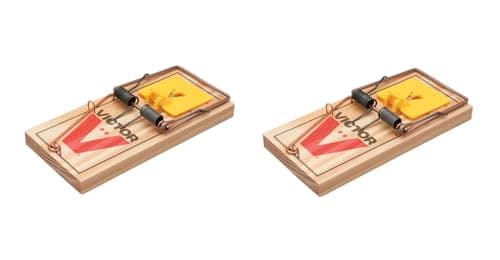
| 1 | 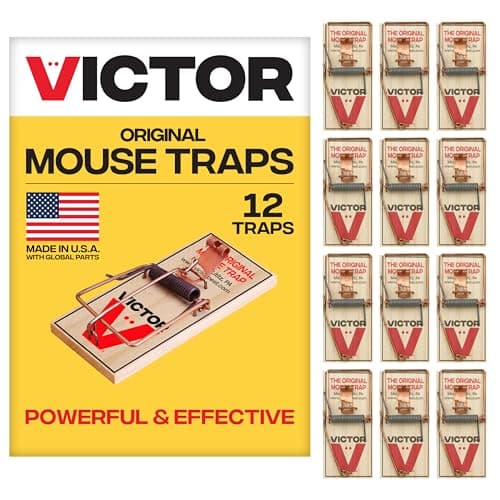 Our pickVictor Metal Pedal Mouse Trap (M150)The wooden snap trap everything else is measured against. Cheap enough to set a dozen, which is how mouse trapping actually works. | Most homes, in quantity | Spring-loaded bar, metal pedal | $10.69$12.3914% offView on Amazon Price as of October 17, 2026 |
| 2 | 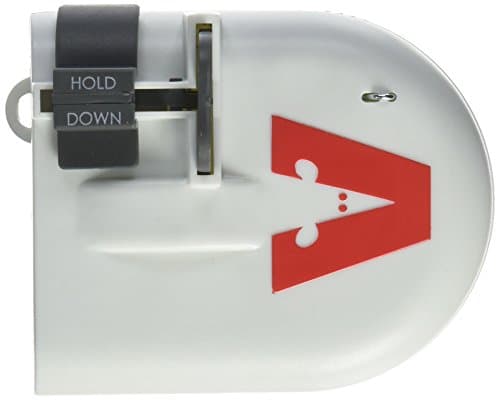 Victor Kill Vault Mouse Trap (M267)A snap trap sealed inside a plastic vault. The kill happens out of sight and out of reach, and you never touch the mouse. | Homes with a dog or a toddler | Enclosed snap bar in a sealed chamber | $12.43View on Amazon Price as of October 17, 2026 |
| 3 | 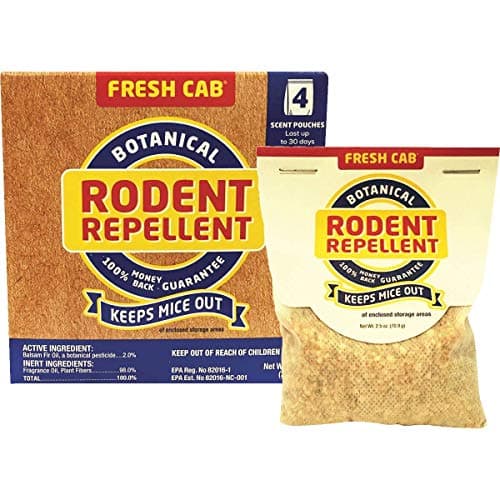 Fresh Cab Botanical Rodent RepellentBalsam fir pouches, EPA minimum-risk registered. Useful for keeping mice out of a space nobody is using; not a solution for an active infestation. | Stored vehicles and cabins | Balsam fir oil | $24.12View on Amazon Price as of October 17, 2026 |
#ad — every price link goes to Amazon and Swat & Snap earns a commission on qualifying purchases. Prices are pulled live from the retailer; where one is not available the button reads “Check price on Amazon” rather than showing a stale number.
Victor Metal Pedal Mouse Trap (M150)
Victor · Most homes, in quantity
The wooden snap trap everything else is measured against. Cheap enough to set a dozen, which is how mouse trapping actually works.
- Costs little enough that quantity stops being a decision
- The metal pedal fires on weight, so a mouse cannot lick the bait off
- Nothing to charge, nothing to refill
- You see the result, and you have to handle it
- Exposed bar is a genuine hazard to a dog's nose or a toddler's fingers
Victor Kill Vault Mouse Trap (M267)
Victor · Homes with a dog or a toddler
A snap trap sealed inside a plastic vault. The kill happens out of sight and out of reach, and you never touch the mouse.
- The enclosure is the reason to buy it: a dog cannot get to the bar
- Seals after firing, so there is no smell and nothing to see
- Sets by pressing the lid, not by arming a bar with your fingers
- Single-use, so a real infestation gets expensive
- Bulkier than a bare snap trap in a tight wall run
Fresh Cab Botanical Rodent Repellent
Earth-Kind · Stored vehicles and cabins
Balsam fir pouches, EPA minimum-risk registered. Useful for keeping mice out of a space nobody is using; not a solution for an active infestation.
- The one repellent category with a real use case: sealed, unoccupied storage
- No mechanism to fail, nothing to reset
- A mouse already nesting in your wall will not leave because of a pouch
- Strong pine smell in a lived-in room
What attracts mice to a trap
This is a different question with a different answer, and it is the one that decides whether your first three nights work.
A high-fat, high-protein smear, not a meal. Peanut butter is the default for good reason. Hazelnut spread, bacon grease and sunflower seeds all work. The quantity matters more than the flavour: pea-sized, worked into the pedal so the animal has to tug at it. A blob lets it lick from the side and walk away.
Nesting material, when food competition is high. A thread of cotton wool or dental floss tied to the trigger exploits the nesting drive instead of the feeding drive, which is useful in a kitchen where your bait is competing with an open bag of cereal.
The runway, more than the bait. Mice travel with one shoulder against a vertical surface and rarely cross open floor. A perfectly baited trap in the middle of the room catches nothing; a plain one flat against the wall catches on night one. Where to place mouse traps is the full method.
The order to do this in
- Lock up every food source tonight — pet food, dry goods, bin, counters wiped, dishes done.
- Clean behind and under the appliances, properly, including the grease.
- Set traps on the runways, several of them, baited small. How many mouse traps do I need if you are not sure how many.
- Clear the nesting clutter — cardboard, bags of textiles, stacked paper.
- Seal the gaps with steel wool and sealant once the catching has slowed.
- Tidy the perimeter — bin lids, fallen fruit, seed, firewood off the wall.
Doing step five first is tempting and usually wrong: seal before you have cleared the animals and you have shut several mice inside with a nest.
The short version
Mice come in for food, somewhere to nest and warmth. The practical list is pet food in a bag, dry goods in cardboard, crumbs under the appliances, seed in the garage and clutter that makes good bedding — and a gap the width of a pencil to get to it. Remove the food and the bedding, trap the animals that are already in, then seal the gap. Nothing on the shelf substitutes for that order of operations.
Frequently asked
What attracts mice to your house the most?
Does a clean house stop mice?
What smells attract mice?
Why do I suddenly have mice?
What attracts mice to a trap?
Does clutter attract mice?
More on mice
One mouse is rarely one mouse. This hub covers what kills them, what only looks like it does, and where to put the thing you buy.
Not sure yet? Read how we pick.
Ryder M.
Ryder M. is the hands-on owner behind Magoo Media Group. He writes Swat & Snap because he got tired of pest-control advice that was either a sales pitch or a scare story.
Related on Swat & Snap
- How to get rid of miceThe full sequence: find the runs, trap in quantity, bait small, seal the gaps. Timeline and what to skip.
- The best mouse trap baitPeanut butter, pea-sized and pressed in. What to switch to when that stops working, and the winter trick.
- Where do mice hide in a house?The twelve voids mice actually nest in, why they are always near food and warmth, and how to confirm a nest before you trap.
- Signs of mice in the houseConfirm mice from droppings, smears, sounds and gnaw marks — and read how many you are dealing with.
- What attracts rats to your house and yard?The food, water and harbourage that actually draw rats to a property, ranked by how much removing each one changes.
- How long does it take to get rid of mice?A realistic day-by-day timeline for clearing mice with traps, the four things that stretch it, and how to confirm it is finished.